Attic Cleaning & Sanitizing in Sugar Land, TX
We remove rodent droppings, urine-soaked material and debris from your attic and disinfect what is left.
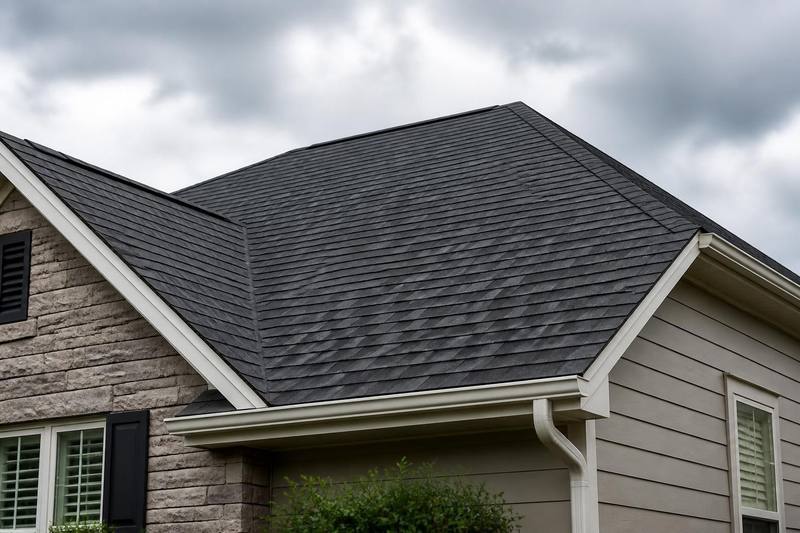
Attic cleaning and sanitizing is the cleanout that follows rodents or other pests getting into your attic. It is for Sugar Land homeowners who have found droppings, smelled urine or seen nesting material and want the space cleaned out and disinfected safely.
What attic cleaning and sanitizing involves
Attic cleaning and sanitizing is the work that comes after pests have used your attic. It means removing droppings, nests, dead animals and loose debris, then treating the surfaces so the smell and the contamination do not stay behind. It sits under insulation removal, but it is a narrower job. The goal is a clean, disinfected attic, not necessarily a bare one.
This page is for you if you have found droppings near the hatch, smelled urine on a hot afternoon, or heard scratching overhead and then seen the mess when you went up. Cleaning deals with what the animals left. It does not stop them coming back. Sealing entry points is covered under rodent proofing, and the two jobs often go together.
How to tell rodents have contaminated your attic
Most people notice the smell or the sound first and find the evidence later. If you look yourself, wear a dust mask, carry a flashlight, and stay on the joists or a plank. Never step between them, because the ceiling below will not hold you.
Droppings
Mouse droppings are small and dark, about the size of a grain of rice. Rat droppings are larger, closer to a raisin. Fresh ones are dark and soft. Old ones turn grey and crumble. Check along the edges of the attic floor, around the base of the hatch, behind stored boxes and along runs of duct and wire.
Urine stains and odor
Urine soaks into insulation and wood and leaves yellow to brown stains with a sharp ammonia smell that gets worse in heat. Rodents also follow the same routes every night, so you will often see dark, greasy rub marks on rafters and flattened paths through the insulation.
Nesting material and chewed surfaces
Nests are balls of shredded insulation, paper, fabric and cardboard, usually tucked into a corner or against a warm duct. Chewed duct wrap, gnawed wire sheathing and torn insulation facing all mean the animals have been active long enough to cause more than a smell.
Why droppings and urine should not be swept or vacuumed dry
Dry droppings and dried urine break down into fine dust. Sweeping or running a household vacuum puts that dust into the air, and the vacuum exhaust spreads it further. Rodent waste can carry bacteria and viruses, so the usual guidance is to wet it with disinfectant first and pick it up, rather than disturb it dry.
A few droppings on a garage shelf are a reasonable homeowner job. An attic is different. It is hot, cramped and full of insulation that traps waste, so a small problem on the surface is often a bigger one underneath. If you see more than a handful of droppings, or any staining, have someone look before you disturb it.
Dust from a contaminated attic can also move into the living space through the hatch, recessed lights and gaps around ducts. That matters most if anyone in the house has asthma or allergies, or if small children and pets spend time on the floors below.
How an attic cleanout and disinfecting visit goes, step by step
The details depend on how far the contamination has spread, but the order is usually the same.
Inspect and map the affected areas
We go through the attic and find where the waste is concentrated, how far it has spread through the insulation, and whether ducts, wiring or framing show damage. Any entry points we notice get pointed out to you.
Remove droppings, nests and debris
The crew wears respirators, gloves and disposable suits. Soiled insulation, nests and carcasses are bagged and carried out. Loose waste is picked up with a HEPA-filtered vacuum, not a shop vac, so fine particles stay in the machine instead of going back into the air.
Disinfect and deodorize
Joists, decking and the attic floor are treated with a disinfectant labeled for this use, then left to dry. Urine odor often needs a second treatment on bare wood, because it soaks in and a surface spray alone will not reach it.
Judge what insulation can stay
Once the debris is gone, the insulation underneath can be assessed honestly. Clean batts or blown fiber in good shape may stay. Anything matted, stained or soaked is better replaced.
When soiled insulation has to be replaced, not just cleaned
Insulation cannot be washed. Fiberglass and cellulose absorb urine, and the odor and contamination stay in the material. Droppings sitting on top of otherwise clean insulation can usually be vacuumed away. Stained, matted or nested-in sections should come out.
If a large area has to be pulled, the attic loses insulation value, so new material needs to go back. Where a big section has to be replaced quickly, emergency insulation replacement covers that step. We will tell you plainly whether a patch or a full area is the sensible call.
Attic cleaning in Sugar Land: heat, humidity and housing
Sugar Land has a humid subtropical climate, with a wet season from April to October and summer highs around 95 °F. An attic in that heat runs far hotter than the air outside, which makes urine and decay odors stronger and pushes them down into the rooms below. About 48 inches of rain a year also means any roof leak can leave damp insulation, and damp, droppings and stained wood often turn up together.
Much of the city grew through master-planned communities built since the 1980s, so many attics hold blown-in or batt insulation that is decades old. Deep, loose fiber gives rodents easy tunnels and nesting space. Winters are mild, with an average low of 45 °F, so cold weather does little to drive pests out. Cleaning an attic here is rarely a one-season problem if the entry points stay open.
Keeping a cleaned attic clean
A cleanout only lasts if the animals cannot return. Common entry points are gaps at roof returns, soffit and gable vents, and places where pipes and wires pass through the framing. A mouse can squeeze through a gap about the width of a pencil.
Trim tree limbs back from the roofline, store boxes in sealed plastic bins off the floor, and look in the attic once or twice a year, ideally before the wet season. Fresh droppings after a cleanout mean something is still getting in, and it is better to find that early than after the smell comes back.
FAQ
Common questions about attic cleaning & sanitizing
A few droppings can be handled with gloves, a respirator-grade mask and a disinfectant, wetting them first and wiping them up. Do not sweep or use a household vacuum. If the waste is spread through the insulation or you see staining and nests, it is safer to have it done properly.
Usually, but not from cleaning alone. Urine soaks into insulation and wood, so soiled insulation has to come out and bare wood often needs a deodorizing treatment as well. If the smell returns in hot weather, something may have been missed or animals may still be getting in.
Only the parts that are contaminated. Clean insulation with a few droppings on top can often stay once the waste is vacuumed off. Stained, matted or nested-in areas should be removed, because the odor and contamination stay in the material.
Before, or at the same time. Cleaning a sealed-off attic and then leaving the entry points open just means doing it again. Close the gaps first, make sure the animals are gone, then clean.
A musty or ammonia smell, droppings near the hatch, scratching at night and stained ceiling drywall are the usual signs. If you can safely look, check for nests and flattened paths in the insulation. When in doubt, request an estimate and we will look.
The work happens in the attic, and waste is bagged and carried out rather than dropped through the house. It still makes sense to keep children and pets away from the hatch and the area below it during the visit.

Free Estimate
Schedule an insulation estimate in Sugar Land
Call (346) 279-1295 or send a request. We inspect the attic, explain what we find and give you a written estimate. We are open Monday to Friday 7:00 AM to 7:00 PM and Saturday 8:00 AM to 5:00 PM.