Emergency Insulation Replacement in Sugar Land, TX
We remove and replace insulation that has been soaked, burned, smoke-damaged or fouled by pests, so the damage does not spread into the rest of your home.
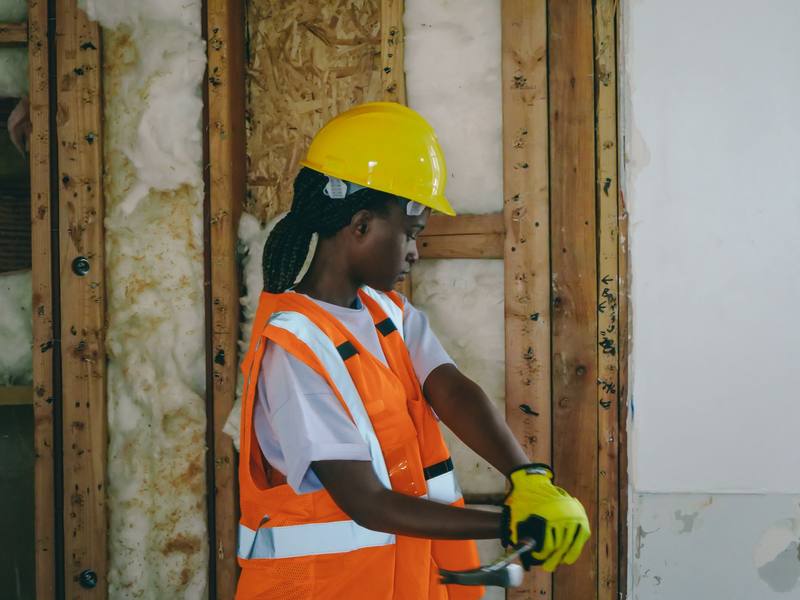
Insulation goes bad quickly once water, smoke or animals get into it. A roof leak after a Gulf storm or a burst water heater line in the attic can turn a dry, working layer into a wet mat that holds moisture against your ceiling drywall. We come out during our business hours, look at what happened, take out what is ruined and put back insulation that does its job.
What counts as an insulation emergency
Most insulation work can wait for a convenient week. Some cannot. When insulation is wet, contaminated or damaged in a way that affects the rest of the house, it is worth dealing with soon rather than at the next tune-up.
We do not offer after-hours or overnight service. Our hours are Monday to Friday, 7:00 AM to 7:00 PM, and Saturday, 8:00 AM to 5:00 PM. If water is actively coming through a ceiling, shut off the water supply or call a roofer or plumber to stop the source first. Insulation replacement comes after the leak is fixed, not before.
These are the situations we treat as urgent:
- A roof leak, often after a storm or a lifted shingle, that has soaked part of the attic floor.
- A water heater, AC condensate line or supply pipe in the attic that has leaked or overflowed.
- Smoke or soot from a fire, even a small one, that has drifted into the attic or wall cavities.
- Rats, squirrels or raccoons that have nested in the insulation and left droppings and urine behind.
- A ceiling stain or sag that keeps growing, which usually means wet insulation is pressing down on the drywall.
- A musty smell from the attic or a bedroom ceiling after a wet spell.
Why damaged insulation should come out
Insulation works by trapping still air. Fiberglass batts and blown-in material lose most of their value once they are wet and compressed, and they dry slowly in a closed attic. While they stay damp, they hold moisture against the ceiling drywall and the wood framing. That is how a small leak turns into stained ceilings, softened drywall and mold on the joists.
Cellulose soaks up water and gets heavy. A large wet patch can be enough to sag or crack a ceiling below it. Even after it dries, cellulose that has been soaked tends to clump and settle, and it rarely returns to its original depth.
Pest damage is a different kind of problem. Droppings and urine soak into the insulation and the smell rises into the living space when the attic warms up. Rodents also tunnel through batts and blown-in material, leaving bare spots. Cleaning in place is not practical. The fouled material needs to come out, and the attic floor needs to be cleaned before anything new goes in.
Smoke-damaged insulation carries odor and soot. It can keep the smell of a fire in a house long after the visible damage is repaired.
Repair a section or replace the whole attic
Not every leak means a full tear-out. When the damage is limited, we remove the wet or fouled area plus a margin around it, let the framing and drywall dry, and blend new insulation into what is left. That is often the right call for a single roof leak that was caught early.
Full replacement makes more sense in a few cases:
The damage covers a large part of the attic
If a third or more of the floor is wet, burned or fouled, patching leaves an attic with uneven coverage and old, settled material next to new. Starting over is usually cleaner and gives you even depth across the whole space.
Pests have been there for a while
Droppings and nesting material tend to spread well past the obvious spots. When rodents have had months in the attic, we generally recommend removing all of the insulation, cleaning the floor, and having the entry points sealed before we install new material.
The old insulation was already thin
Many attics we see had too little insulation before anything went wrong. If you are paying to replace a damaged section, it often makes sense to bring the whole attic up to a proper depth at the same visit.
What a visit involves
When you call, we ask what happened, when it happened, and whether the source has been stopped. That tells us what to bring and how soon it makes sense to come out. There is no point installing new insulation over a roof that will leak again in the next rain.
On the first visit, we go into the attic and map the damage. We check how far the water or contamination spread, measure moisture in the framing and drywall where we can, and look at wiring, duct runs and the air handler platform for anything that also needs attention. We take photos as we go. Many homeowners find those useful if they are talking to their insurance company, though we do not handle claims ourselves.
Removal is done with a large vacuum hose run from a truck outside, so the old material goes straight into bags and does not get carried through your house. We protect floors and the attic access opening. Once the damaged material is out, we let the area dry if needed, and we will tell you if we see mold or wood damage that needs another trade.
Then we install the replacement. Depending on the space and what was there before, that may be blown-in insulation, batts, or spray foam. We go over the options with you and give you a written estimate before the work starts.
Insulation damage in Sugar Land homes
The climate around Sugar Land is hard on attics. Heavy rain from Gulf storms tests every roof seam and vent boot, and the long humid summers mean a wet attic does not dry out on its own the way it might in a drier place. Insulation that gets soaked in August can stay damp for weeks.
A lot of homes in the area put the water heater, air handler or both in the attic. That is convenient for floor space but it means a failed drain pan, a clogged condensate line or a corroded tank can dump water straight onto the insulation. These leaks often go unnoticed until a ceiling stain shows up downstairs. If your equipment is in the attic, it is worth checking the drain pan and the condensate line every so often.
Many neighborhoods here back onto greenbelts, bayous and drainage channels, and roof rats and squirrels are common. They get in through gaps at the eaves, roof vents and where the roof lines meet on two-story homes. We often find pest damage in attics that the homeowner had no idea about until they heard noises at night.
What you can do before we arrive
A few steps can limit the damage while you wait for a visit:
- Stop the source of water if you can, or get the roofer or plumber out first.
- Put a bucket or towels under any drip and move furniture and electronics away from stained ceilings.
- Do not poke holes in a sagging ceiling yourself. Wet drywall and insulation are heavy and can fall at once.
- Keep children and pets out of the attic, especially after pests or a fire.
- Take photos of any visible damage before anything gets moved.
FAQ
Common questions about emergency insulation replacement
No. We work Monday to Friday, 7:00 AM to 7:00 PM, and Saturday, 8:00 AM to 5:00 PM. If water is still coming in, call a roofer or plumber first to stop the leak, then call us to deal with the insulation.
Sometimes, if it is a small area of fiberglass that was caught quickly. Cellulose and fiberglass that stayed wet for days usually stay compressed and lose much of their value, and they can hold moisture against the drywall. We check it in person and tell you which parts are worth keeping.
That depends on your policy and on what caused the damage, so we cannot tell you. We take photos during the inspection and give you a written estimate, which you can share with your insurer. Your adjuster is the one who decides on coverage.
We vacuum the fouled insulation out through a hose to a truck outside, so it does not pass through your living space. Then we clean the attic floor before installing new material. We recommend sealing the entry points before the new insulation goes in, or the problem tends to come back.
As soon as the roof is repaired and the framing and drywall have dried. Installing over damp wood traps the moisture and can lead to mold. We check moisture levels on the visit and tell you when it is safe to proceed.

Get Started
Tell us about your attic or building
Call (281) 010-0001 during business hours or send a note through the form. Tell us what you have noticed, such as hot upstairs rooms, high summer bills or damaged insulation, and we will arrange an inspection and a written estimate.