Insulation in Stafford, TX
We insulate attics, walls, crawl spaces and commercial buildings in Stafford, working from our base in nearby Sugar Land.
Stafford sits a short drive from our shop in Sugar Land, so we work there often. Most of the homes we see have long, hot summers working against an attic that was insulated decades ago. We can tell you what your house has now and what would help, before any work starts.
Stafford homes and the Gulf Coast heat
Stafford has a mix of housing. There are ranch-style houses from the 1970s and 1980s, two-storey homes from the 1990s and later, townhomes, and a lot of commercial and light industrial buildings along the main roads. Most houses sit on a concrete slab. That means the attic does most of the work of keeping the heat out.
In many Stafford homes the air handler and ductwork sit up in the attic. On a summer afternoon that attic can get far hotter than the air outside. If the insulation on the attic floor has settled or thinned out, heat comes down through the ceiling and the ducts lose cool air before it reaches your rooms. The air conditioner runs longer and some rooms never feel right.
Humidity is the other half of the story. Warm, wet air finds its way through gaps around recessed lights, attic hatches, plumbing stacks and top plates. Where it meets a cold duct or a cold ceiling it can condense. Good insulation work here is about air sealing and moisture as much as it is about thickness.
What we usually find in Stafford attics and walls
Older blown-in insulation that has packed down over the years is the most common thing we see. It may have looked deep when it went in, but foot traffic, storage boxes and time flatten it. We also find batts that were laid loosely, with gaps between them, or pushed aside when someone ran cable or replaced a duct.
Storm season brings its own problems. A roof leak after heavy rain can soak insulation without anyone noticing for weeks. Wet insulation stops working, holds moisture against the ceiling drywall and can start to smell. Rodents also get into attics here and leave nests and droppings in the insulation.
In walls, many older homes have little or nothing in the exterior cavities, especially on the west side where the afternoon sun hits hardest. If one bedroom is always warmer than the rest, the wall or the ceiling above it is often the reason.
The few homes on pier-and-beam foundations have a crawl space under the floor. Those can have sagging or missing insulation between the floor joists, which makes floors feel damp and lets humid air up into the house.
Services available in Stafford
We offer the same full list of services in Stafford that we offer across the area.
Spray Foam Insulation seals and insulates in one step. Open-cell or closed-cell foam is sprayed on the underside of the roof deck or into wall cavities, and it fills the gaps that let humid air in. Attic Insulation covers the attic floor, the hatch and the areas around lights and vents. Blown-In Insulation is loose fill blown across the attic floor or into closed walls. It is a practical way to bring an older attic back up to depth.
Insulation Removal is for insulation that is wet, contaminated by rodents, or so old and compacted that topping it up makes no sense. We vacuum it out, clean up and prepare the space for new material. Crawl Space Insulation covers the floor system and, where it makes sense, the crawl space walls in homes that have one. Wall Insulation can go into open walls during a remodel or into existing finished walls through small holes that are patched afterward.
Commercial Spray Foam is for offices, warehouses, metal buildings and shops, which Stafford has plenty of. Radiant Barrier is a reflective layer in the attic that cuts down the heat the roof passes into the attic space, which matters a lot under a Texas sun. Emergency Insulation Replacement is for insulation damaged by a leak, a storm or pests. We work during our normal business hours and do not offer after-hours service, but we try to schedule these jobs quickly so damp material does not sit in your attic.
Top up, repair or replace
If the existing insulation is dry, clean and just too thin, adding more on top is usually the sensible choice. It costs less and causes less disruption.
If it is wet, mouldy, full of droppings or has an odour, it should come out. New insulation laid over a problem only hides it. The same goes for an attic where you plan to move to spray foam on the roof deck, since the old floor insulation is often removed as part of that job.
We will tell you which situation you are in and why, and we will show you photos of what we saw.
What a visit looks like
We start in the attic. We check the depth and type of insulation, look for gaps, damp spots, pest signs and loose ductwork, and note where air is getting in from the rooms below. If you have a crawl space, we look there too. If a room is uncomfortable, we will look at the walls and ceiling around it.
Afterward we walk you through what we found, with photos, and give you a written estimate for the options that make sense. You decide whether to go ahead. On the day of the work we protect floors and walkways, keep the work inside the attic or wall where we can, and clean up when we are done.
How to book in Stafford
Call us at (281) 010-0001 or email info@sprayfoaminsulationsugarland.com to request an estimate. Our hours are Monday to Friday, 7:00 AM to 7:00 PM, and Saturday, 8:00 AM to 5:00 PM. We are closed on Sunday. Tell us your address, what you have noticed, and whether the house has an attic air handler or a crawl space. That helps us plan the visit.
About Stafford: Stafford, TX on Wikipedia · Stafford on Google Maps
Services
Services in Stafford, TX
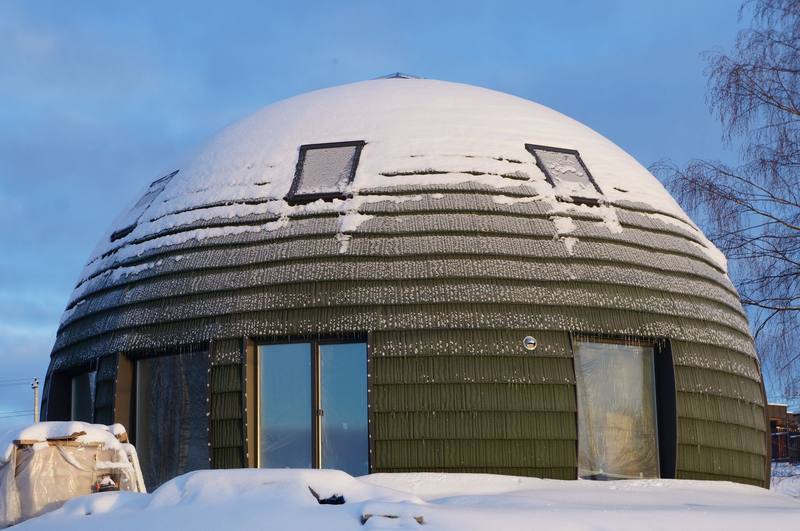
Spray Foam Insulation
Open and closed cell foam applied to attics, walls and rooflines to seal air leaks and insulate in one pass.
Learn more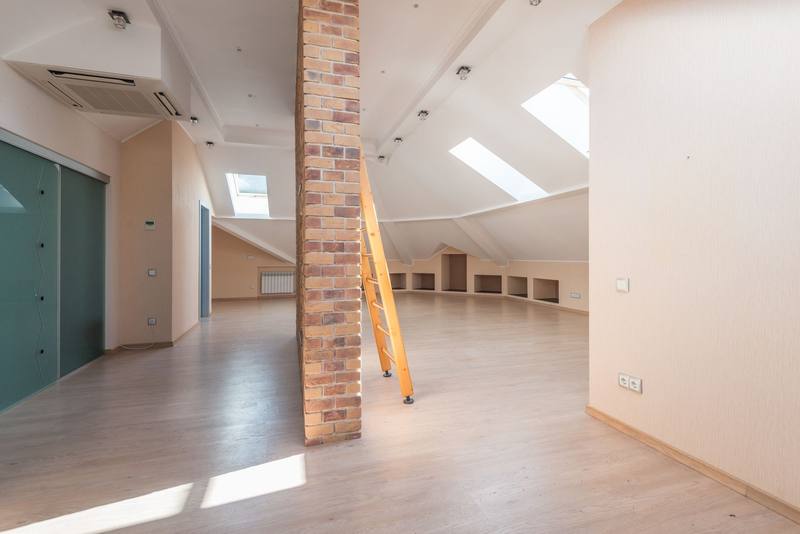
Attic Insulation
Attic floors and roof decks insulated to the depth the TX climate calls for, with ventilation checked first.
Learn more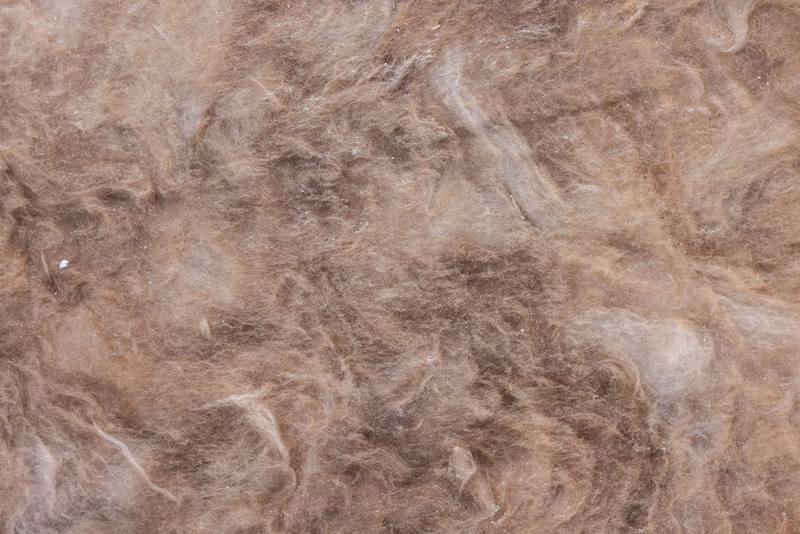
Blown-In Insulation
Cellulose or fiberglass blown to an even depth over existing attic floors and into closed wall cavities.
Learn more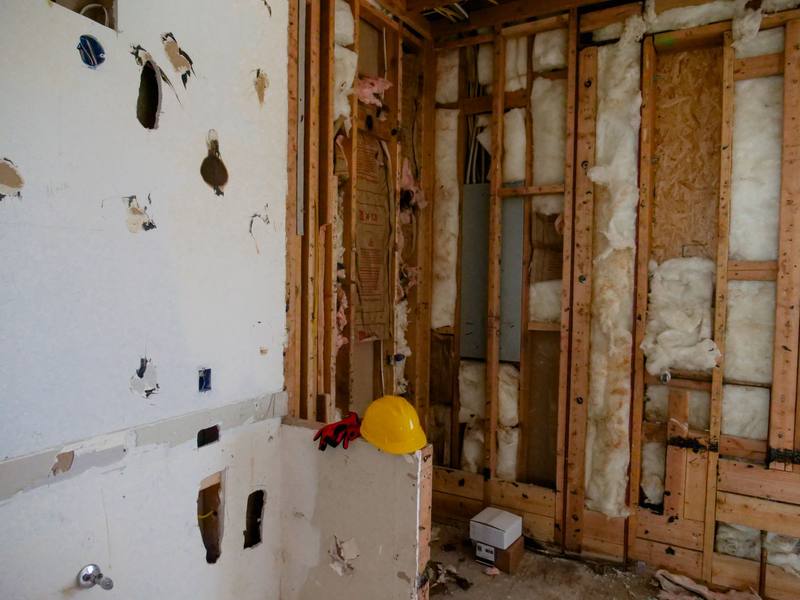
Insulation Removal
Old, wet, pest-damaged or compressed insulation vacuumed out before new material goes in.
Learn more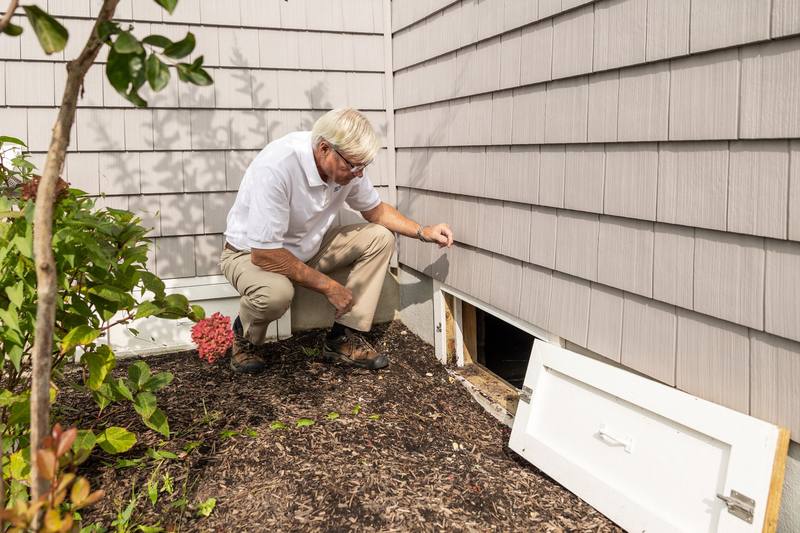
Crawl Space Insulation
Rim joists and crawl space walls sealed and insulated so floors stop feeling cold and damp.
Learn more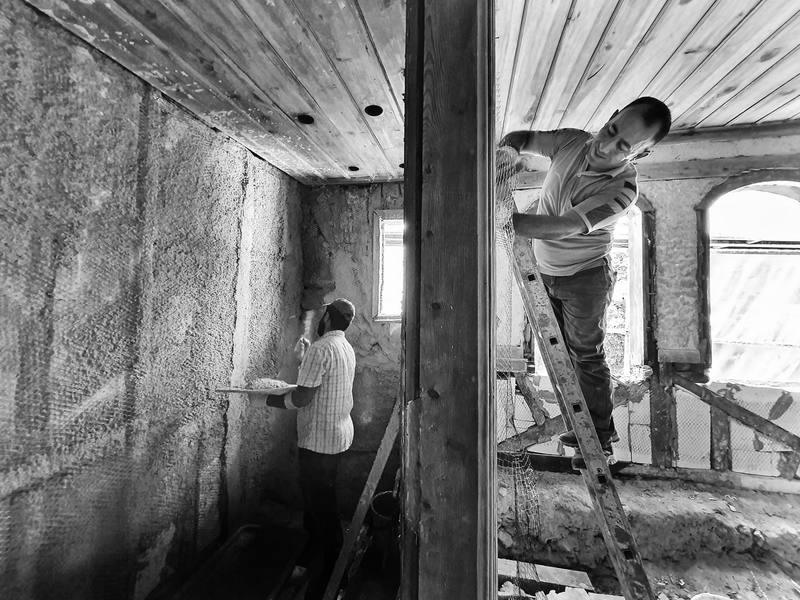
Wall Insulation
Exterior walls insulated through small drilled openings or during a remodel, patched and finished after.
Learn more
Commercial Spray Foam
Metal buildings, warehouses and shops foamed for temperature control and condensation.
Learn more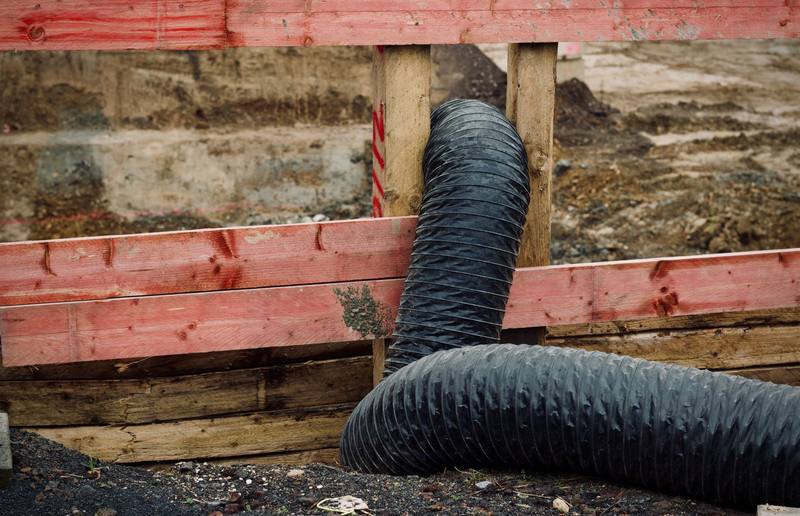
Radiant Barrier
Reflective barrier on the underside of the roof deck to cut attic heat gain in summer.
Learn more
Emergency Insulation Replacement
We remove and replace insulation that has been soaked, burned, smoke-damaged or fouled by pests, so the damage does not spread into the rest of your home.
Learn more
Get Started
Tell us about your attic or building
Call (281) 010-0001 during business hours or send a note through the form. Tell us what you have noticed, such as hot upstairs rooms, high summer bills or damaged insulation, and we will arrange an inspection and a written estimate.