Insulation Removal in Sugar Land, TX
We take out old, wet, contaminated or failed insulation so your attic, walls or crawl space can start clean.
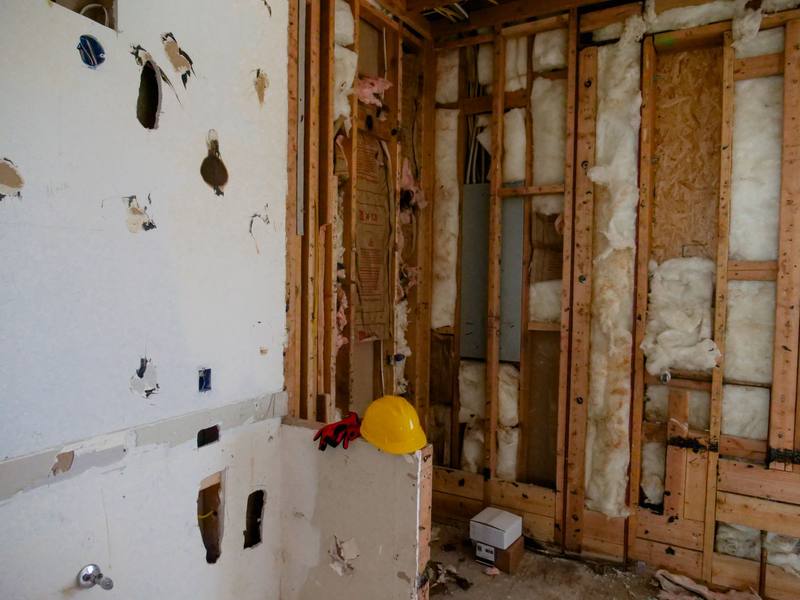
Sometimes the right fix is not more insulation but less. If what is in your attic is damp, matted, full of droppings or simply not doing its job, adding a new layer on top only hides the problem. We remove the old material, clean up the space and leave it ready for whatever comes next.
Signs your insulation needs to come out
Most homeowners never look at their insulation until something sends them into the attic. When you do go up, the condition of the material tells you a lot. Healthy blown-in insulation looks fluffy and even. Healthy batts sit snug between the joists without gaps or sagging.
Insulation that needs to be removed usually shows one or more of these signs:
- Dark stains, clumps or a crusty surface where water has come through a roof leak or a sweating duct
- Droppings, nesting material, tunnels or a sharp ammonia smell from rats, mice, squirrels or raccoons
- A musty smell or visible mould on the insulation, the roof decking or the framing
- Batts that have slumped, fallen off crawl space joists or been pulled apart
- Material that has been packed down flat by people walking on it during repairs or storage
- Smoke or soot residue after a fire, even a small one
What usually causes it
Water is the most common reason. A small roof leak can soak the same patch of insulation for months before a ceiling stain shows up. Air conditioning equipment in the attic adds another source: a clogged condensate line, a rusted drain pan or uninsulated ductwork that sweats in humid weather can all wet the insulation around it. Once fibreglass or cellulose gets wet, it compresses and loses most of its ability to slow heat, and it may not dry out fully in a closed attic.
Animals are a close second. Rodents and squirrels like insulation because it is warm and easy to tunnel through. They leave droppings and urine behind, and their paths crush the material. Cleaning around a nest rarely gets everything, so removal is usually the honest answer once an infestation has been dealt with.
Age and disturbance account for the rest. Older loose fill settles over decades. Cable installers, roofers and HVAC crews often walk through it and leave trenches. Batts in crawl spaces drop when the wire supports rust or the moisture makes them heavy.
Remove, top up, or leave it alone
Not every attic needs a full clear-out, and we will tell you if yours does not. If the insulation is dry, clean and simply too thin, adding more on top is usually the sensible choice and costs less.
Removal makes sense when the existing material is contaminated, wet, mouldy or so compressed that it is no longer doing anything useful. It also makes sense when you plan to air seal the attic floor or install spray foam, because both jobs need clear access to the ceiling drywall, the top plates of the walls and the gaps around wiring and plumbing.
Partial removal is an option when the damage is limited. A wet patch under one leak or a section near the attic hatch where animals got in can sometimes be cut out and replaced, as long as the cause has been fixed and the surrounding material is in good shape. We look at the whole space before suggesting this, because contamination often spreads further than it first appears.
What a removal visit involves
The job starts with an inspection. We go into the attic or crawl space, check what type of insulation you have, how deep it is, what condition it is in and what caused the problem. We also look for anything that needs attention before removal, such as active leaks, live wiring that has been disturbed or signs that animals are still getting in. You get a plain explanation of what we found and what we recommend.
On removal day, we protect the inside of your home first. That means covering the floor along the path from the door to the attic access and sealing off the hatch area so dust stays where it belongs. Loose fill is usually pulled out with a high-powered insulation vacuum that runs a hose from the attic to a collection bag or container outside. Batts are bagged by hand.
Once the bulk of the material is out, we clear the remaining debris from between the joists so the ceiling drywall and framing are visible. Where droppings or nesting material were present, this cleanup step matters most. We bag everything for disposal and leave the space empty and ready for the next step, whether that is air sealing, new insulation or repairs by another trade.
Most single-family attics can be cleared in a day, though larger homes, tight rooflines and heavy contamination can stretch that out. We give you a realistic time frame after the inspection.
Attics and crawl spaces in Sugar Land
Most homes in Sugar Land sit on a concrete slab, so the attic is where nearly all the insulation lives. Many of those attics also hold the air handler, the furnace and a long run of flexible ductwork. That makes them busy spaces. Every service call on that equipment means someone walking across the insulation, and every condensate problem means water landing in it.
The local climate makes moisture a constant factor. Long, hot, humid summers push attic temperatures high and keep the air damp, so wet insulation can stay wet and grow mould faster than it would in a drier place. Heavy rain from Gulf storms can find small gaps in roofing and flashing that go unnoticed for a long time.
Some older homes in the area, and many around neighbouring towns, are built on pier and beam foundations with a crawl space underneath. Batts installed under those floors tend to absorb moisture from the ground and the humid air, then sag or fall. When that happens, we remove the failed material and talk with you about whether the crawl space needs a vapour barrier or a different type of insulation before anything new goes in.
Homes that took on water during flooding are a separate case. Wet wall insulation behind drywall needs to come out, and we can help with that alongside the drywall removal.
After the old insulation is out
An empty attic is the best chance you will get to fix the things insulation normally hides. Before anything new goes in, it is worth sealing the gaps around light fixtures, plumbing stacks, wiring holes and the tops of interior walls. These small openings let conditioned air leak into the attic and humid air leak back down.
From there, you have choices. Blown-in insulation is a common and economical replacement for attic floors. Spray foam applied to the underside of the roof deck brings the attic inside the conditioned space, which can help when the air handler and ducts are up there. A radiant barrier can also be added while the space is clear. We can walk you through the trade-offs for your home and do the replacement work ourselves, or simply leave the space clean if you have other plans.
FAQ
Common questions about insulation removal
If the old insulation is dry, clean and only too thin, yes, and that is often the better value. If it is wet, mouldy or contaminated by animals, adding a layer on top traps the problem and the smell. We will tell you which situation you are in after we look at it.
It can be if it is done carelessly. We cover the path to the attic access and seal around the hatch before we start, and most of the material leaves through a vacuum hose that runs straight outside. You may still want to keep pets and children out of the area while we work.
Yes. Removing insulation without fixing the cause means the new material will end up in the same state. We can point out what we see during the inspection, but roof repairs and pest control should be handled before replacement insulation goes in.
Most attics in single-family homes take about a day. A large attic, a low roof pitch or heavy contamination from rodents can add time. We give you an estimate of the time frame after the inspection.
Sometimes. If the damage is confined to one area and the rest of the insulation is in good shape, cutting out and replacing the bad section can work. We check the surrounding material first, because water and animal damage often reach further than it looks from the hatch.

Get Started
Tell us about your attic or building
Call (281) 010-0001 during business hours or send a note through the form. Tell us what you have noticed, such as hot upstairs rooms, high summer bills or damaged insulation, and we will arrange an inspection and a written estimate.