Attic Insulation in Sugar Land, TX
We check what is in your attic, seal the air leaks and add or replace insulation so the rooms below stay cooler.
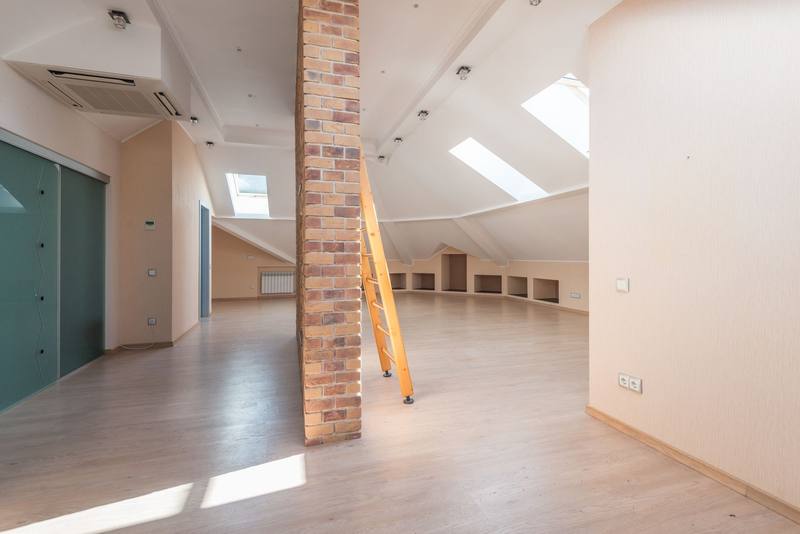
Most attic insulation problems show up in the rooms below before anyone looks in the attic. We measure what you have, find where heat and air are getting through, and recommend the simplest fix that will work. In Sugar Land that usually means keeping summer heat out of the house and away from the air handler and ducts.
Signs your attic insulation is not doing its job
Most people only go into their attic when something is wrong, so insulation problems tend to show up elsewhere in the house first. The upstairs bedrooms stay warm long after sunset. The air conditioner runs most of the afternoon and the thermostat still creeps up. The ceiling feels warm when you touch it on a summer day.
If you can get into the attic safely, a few minutes with a flashlight will tell you a lot.
None of these means the whole attic needs work. They tell us where to look.
- You can see the tops of the ceiling joists, which usually means the insulation is thin or has settled.
- The insulation is flattened in paths or patches, often near the hatch, the air handler or where boxes are stored.
- There are bare spots around recessed lights, bathroom fans, plumbing vents or the attic hatch.
- The insulation is stained, clumped or smells musty, which points to a past roof leak or condensate leak.
- You find droppings, tunnels or nesting material from rats, squirrels or raccoons.
What usually causes the problem
Loose insulation settles over the years, so an attic that looked full when the house was built can lose a fair amount of depth. It also gets packed down every time someone walks across it. If your air handler and ductwork are in the attic, that happens often: filter changes, coil cleaning, a new thermostat wire, a cable run for the internet.
Air leaks matter as much as depth. Hot, humid attic air gets into the house through gaps around light fixtures, along the tops of interior walls, through the chase where ducts and flues run, and around the attic hatch. Insulation slows heat down, but it does not stop air. A thick layer laid over open gaps still lets air move through it.
Water and animals cause most of the rest. A slow roof leak or a sweating duct can soak one area until the insulation mats down and starts to mold. Rodents nest in insulation and contaminate it, and the damage is usually worse than what you can see from the hatch.
Topping up versus removing and replacing
If the existing insulation is dry, clean and just too thin, adding more on top is usually the sensible choice. We seal the obvious air leaks first, then blow new insulation over the old to bring the whole attic floor up to an even depth.
Removal makes sense when the old material is part of the problem:
Whatever damaged the old insulation, such as a roof leak or a gap animals are using to get in, has to be fixed first. If it isn't, the new insulation will end up the same way.
- It has been wet and is matted, stained or moldy.
- It is contaminated with rodent droppings or urine.
- It still smells of smoke after a fire in or near the house.
- You are switching to spray foam on the roof deck, which needs a clear attic to do properly.
- The air sealing underneath cannot be done without getting the old material out of the way.
Blown-in on the floor or spray foam at the roof
There are two common ways to insulate an attic, and they work differently.
Blown-in insulation goes on the attic floor, over the ceiling. The attic stays vented and gets hot in summer, and the insulation keeps that heat out of the rooms below. It costs less, goes in quickly and works well when the attic is mostly empty space.
Spray foam goes on the underside of the roof deck and the gable walls. It seals the attic so the space stays much closer to indoor temperature. That matters when the air handler and ducts are up there, because they are no longer sitting in the hottest part of the house. Foam also seals air leaks as it goes on. It costs more, the roof vents have to be closed off as part of the job, and it is not the right fit for every roof.
We will tell you which one we think suits your house and why. For many homes, a well-sealed attic floor with blown-in insulation is enough. When the ductwork is in the attic and the upstairs is hard to cool, spray foam is often worth a closer look.
What a visit involves
We start in the attic. We measure insulation depth in several places, check the condition of the material, look around the hatch, lights, fans and duct runs, and note any signs of moisture or pests. We also check the soffit and roof vents, because insulation should not block the airflow a vented attic depends on.
Then we go over what we found with you, with photos if you can't get up there yourself, and give you a written estimate for the work we recommend. If a roof leak or a damaged duct needs another trade, we tell you.
On the day of the job we protect the path through your house, cover the hatch opening and keep the mess in the attic. Old material is vacuumed out and hauled away. When we finish, we show you the finished depth or foam coverage before we leave.
Attics in Sugar Land homes
Sugar Land has long, hot, humid summers and mild winters, so insulating an attic here is mostly about keeping heat out. On a sunny afternoon the attic can get far hotter than the air outside, and that heat pushes down through every thin spot in the ceiling.
Many homes in Sugar Land were built with the air handler and ductwork in the attic. That puts the cooling system in the hottest part of the house, and it means people go up there for service more often than you might think. The insulation around the equipment platform and along the walkway is usually the most compressed.
Two-story homes are common here, often with a bonus room over the garage, sloped ceilings and knee walls. Those spots are hard to insulate well, and they are often why one upstairs room feels warmer than the rest. Humidity is the other local factor. Ducts that are poorly sealed or poorly wrapped can sweat in a hot attic, and that water drips into the insulation below them. After a heavy Gulf storm it is worth checking the attic for new stains.
FAQ
Common questions about attic insulation
If the insulation is dry, clean and evenly spread but thin, you usually just need more on top. If it is wet, moldy, matted or contaminated by rodents, it should come out first. We check this during the visit and show you what we see.
Yes, as long as the existing material is in good condition. We seal the air leaks we can reach first, then blow new insulation over the old to an even depth across the attic. We keep it clear of the soffit vents so the attic can still breathe.
It depends on the house. Blown-in insulation on the attic floor costs less and works well for many homes. Spray foam on the roof deck makes more sense when the air handler and ducts are in the attic and the upstairs is hard to keep cool.
It often helps, but it is not always the whole answer. Hot rooms over garages or under sloped ceilings can also come from air leaks, uninsulated knee walls or ducts that are leaking or undersized. We look at all of those during the visit so you know what is causing it.
Clearing a path to the attic hatch and moving anything stored directly under it helps. If you have boxes stored on the attic floor, they need to be moved before we add or remove insulation in that area. We will tell you what needs moving when we give you the estimate.

Get Started
Tell us about your attic or building
Call (281) 010-0001 during business hours or send a note through the form. Tell us what you have noticed, such as hot upstairs rooms, high summer bills or damaged insulation, and we will arrange an inspection and a written estimate.