Insulation in Rosenberg, TX
We insulate attics, walls, crawl spaces and commercial buildings for homes and businesses in Rosenberg.
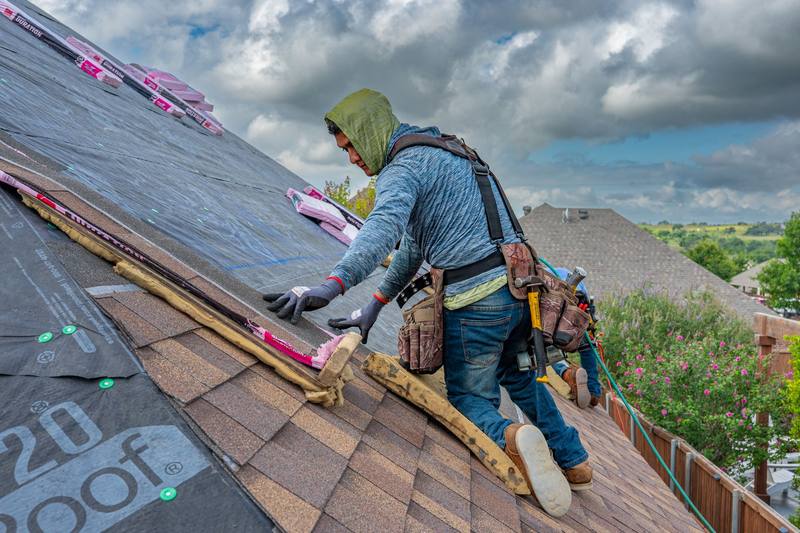
Rosenberg summers are long, hot and humid, and much of that heat gets into a house through the attic. We help Rosenberg homeowners and building owners find where heat and moisture are getting in, then fix it with the right insulation for the space. Call us or request an estimate, and we will come and look before we recommend anything.
Why insulation matters in Rosenberg
Rosenberg sits in the hot, humid Gulf Coast climate, close to the Brazos River. Most of the year your air conditioner works against two things: heat coming through the roof and moisture coming in with outside air. In winter there are cold snaps, and an under-insulated house loses heat fast because it was built mainly with cooling in mind.
The attic is usually where the problem starts. On a summer afternoon the space above your ceiling gets far hotter than the outside air. If the insulation up there is thin, packed down or uneven, that heat comes straight through the drywall into the rooms below. The usual signs are an upstairs that never cools down, a system that runs all afternoon, and rooms over the garage that feel different from the rest of the house.
Humidity matters just as much. Warm, wet air getting into a wall cavity or a crawl space can leave damp insulation, a musty smell and, over time, mould on wood framing. Good insulation in this climate means stopping air leaks as well as adding thickness.
Rosenberg housing and what we usually find
Rosenberg has a mix of homes. Near the older parts of town you find houses built decades ago, some on pier-and-beam foundations with a crawl space underneath. Further out, the newer subdivisions are mostly slab-on-grade homes with large attics, vaulted ceilings and HVAC equipment and ductwork running through the attic.
In older homes we often find insulation that has settled over the years, gaps around ceiling lights and attic hatches, open wall cavities that were never filled, and crawl spaces with loose or missing batts hanging from the floor joists. Rodents and past roof leaks can also leave insulation dirty or wet.
In newer homes the insulation is usually there, but it is often thinner than it should be over the hottest rooms, disturbed where trades have walked through the attic, or missing behind knee walls and around the edges of bonus rooms. Ducts in a hot attic lose cooling before the air ever reaches a vent, so how the attic is insulated affects how well the whole system works.
Services we offer in Rosenberg
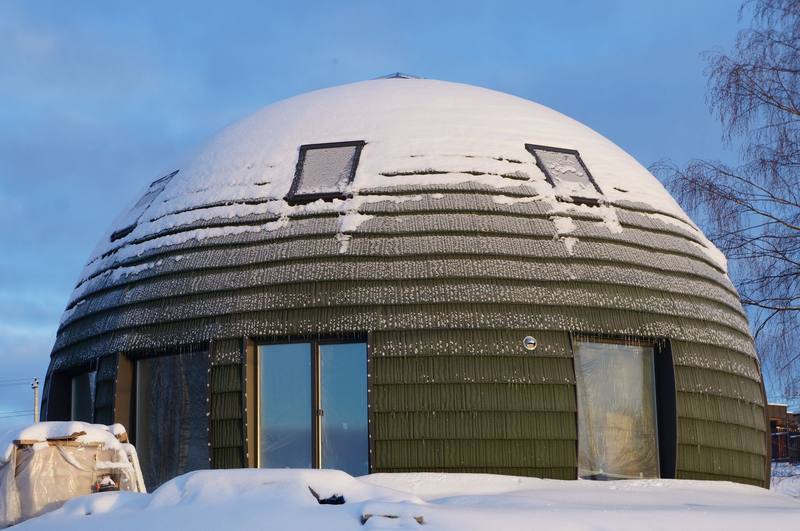
Spray Foam Insulation seals and insulates in one step. It works well on rooflines, rim joists, and awkward spaces where air leaks are the real problem. In some homes it is used to bring the attic inside the conditioned space so ducts and equipment sit in cooler air.
Attic Insulation and Blown-In Insulation are the most common jobs we do. Blown-in material is spread evenly over the attic floor to fill gaps and bring thin coverage up to a proper depth. It is often the most direct fix for a hot upstairs.
Insulation Removal comes first when old insulation is wet, contaminated by pests, or has been damaged by a roof leak. Putting new material on top of a bad layer just hides the problem.
Crawl Space Insulation is for pier-and-beam homes, where cold floors in winter and damp air in summer often come from the space underneath. Wall Insulation fills open or under-filled wall cavities, which helps rooms with exterior walls that stay hot or cold.
Commercial Spray Foam covers metal buildings, shops, warehouses and offices, where condensation on metal roofs and walls is a common complaint. Radiant Barrier reflects heat from the underside of the roof deck and can reduce attic temperature in this climate. Emergency Insulation Replacement is for urgent situations such as insulation soaked by a leak or damaged by animals. We handle these during our regular business hours, and we will tell you plainly whether it needs to be done right away or can wait.
Repair, top up or replace
Not every attic needs to be stripped out. If the existing insulation is dry, clean and simply too thin, adding blown-in material on top is often the sensible choice. If it is wet, mouldy, full of droppings or badly compressed, it should come out before anything new goes in.
Spray foam is not the answer for every house either. It makes the most sense where air sealing is the main problem or where the space is hard to insulate any other way. We will explain the options we think fit your home, including the simpler ones.
What a visit looks like
We start by asking what you have noticed: which rooms are uncomfortable, when it is worst, and whether there have been leaks or pests. Then we go into the attic, and the crawl space if there is one, and look at the depth and condition of the insulation, the gaps around fixtures and hatches, the ductwork, and any signs of moisture.
Afterwards we walk you through what we found, show you photos where it helps, and explain what we would recommend and why. You get a written estimate before any work is scheduled. On the day of the job we protect the areas we work through, keep the mess contained and clean up before we leave.
How to book in Rosenberg
Call us at (281) 010-0001 or email info@sprayfoaminsulationsugarland.com. You can also use the Request an Estimate form on this page. We are open Monday to Friday from 7:00 AM to 7:00 PM and Saturday from 8:00 AM to 5:00 PM, and closed on Sunday. Tell us a little about the house and the problem, and we will set up a time to come out to Rosenberg and take a look.
About Rosenberg: Rosenberg, TX on Wikipedia · Rosenberg on Google Maps
Services
Services in Rosenberg, TX
Spray Foam Insulation
Open and closed cell foam applied to attics, walls and rooflines to seal air leaks and insulate in one pass.
Learn more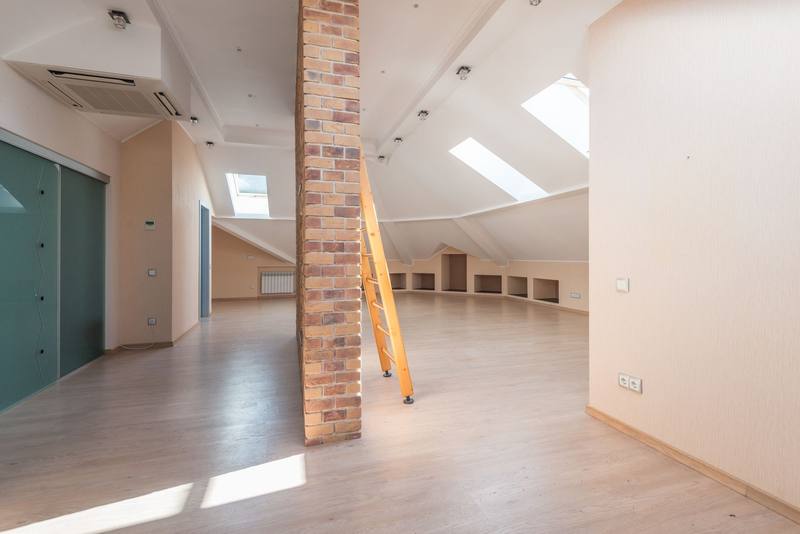
Attic Insulation
Attic floors and roof decks insulated to the depth the TX climate calls for, with ventilation checked first.
Learn more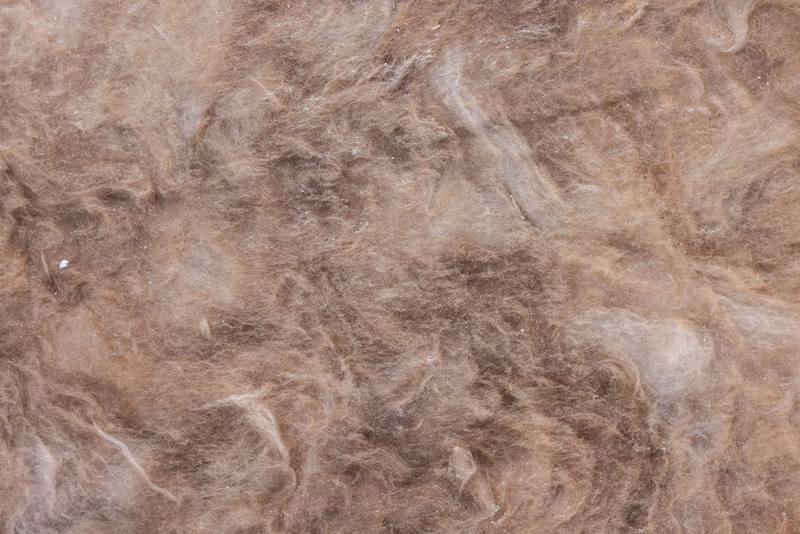
Blown-In Insulation
Cellulose or fiberglass blown to an even depth over existing attic floors and into closed wall cavities.
Learn more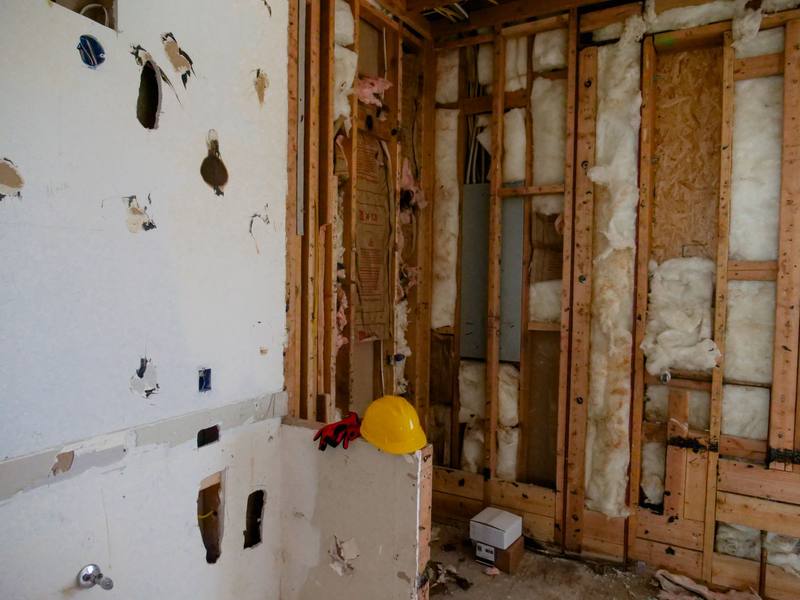
Insulation Removal
Old, wet, pest-damaged or compressed insulation vacuumed out before new material goes in.
Learn more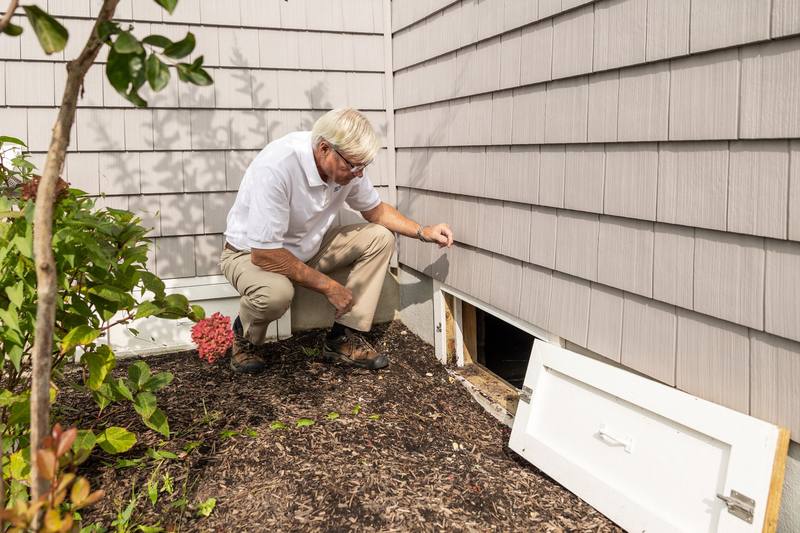
Crawl Space Insulation
Rim joists and crawl space walls sealed and insulated so floors stop feeling cold and damp.
Learn more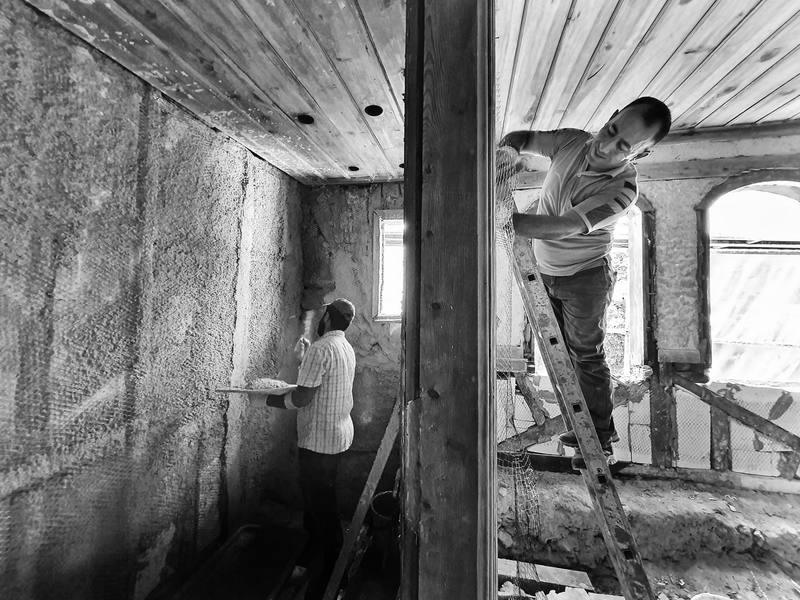
Wall Insulation
Exterior walls insulated through small drilled openings or during a remodel, patched and finished after.
Learn more
Commercial Spray Foam
Metal buildings, warehouses and shops foamed for temperature control and condensation.
Learn more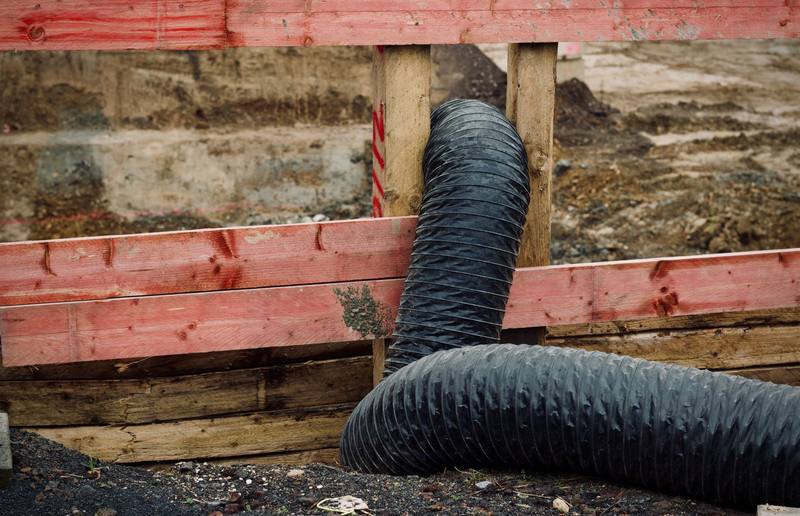
Radiant Barrier
Reflective barrier on the underside of the roof deck to cut attic heat gain in summer.
Learn more
Emergency Insulation Replacement
We remove and replace insulation that has been soaked, burned, smoke-damaged or fouled by pests, so the damage does not spread into the rest of your home.
Learn more
Get Started
Tell us about your attic or building
Call (281) 010-0001 during business hours or send a note through the form. Tell us what you have noticed, such as hot upstairs rooms, high summer bills or damaged insulation, and we will arrange an inspection and a written estimate.