Attic Ventilation in Sugar Land, TX
We check how air moves through your attic and balance soffit, ridge and powered vents so heat and moisture have a way out.
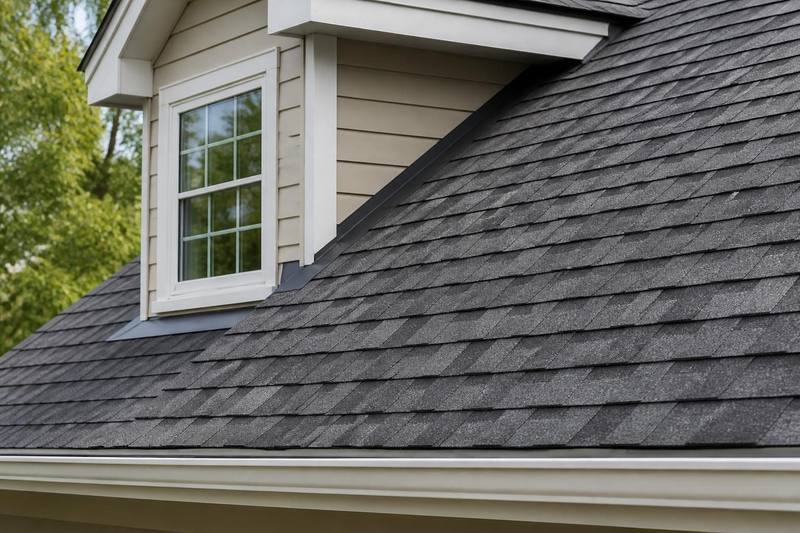
Attic ventilation is the set of intake and exhaust vents that move outside air through the space under your roof. It is for Sugar Land homeowners whose attic runs superheated in summer, smells damp, or has vents that no longer match the Attic Insulation installed over the ceiling. We find what is blocked, mismatched or missing and correct it.
Signs your attic is not venting properly
Ventilation works by letting outside air in low at the eaves and out high near the ridge, carrying heat and water vapor with it. When that path is blocked or unbalanced, the attic bakes in summer and holds damp air the rest of the year. Insulation alone does not fix either problem.
These are the signs we look for first:
- Upstairs rooms that stay noticeably hotter than downstairs, even with the air conditioner running long cycles
- Rusty nail tips poking through the roof deck, or dark staining and a musty smell on the plywood
- Insulation that feels damp, looks matted, or has dark spots
- Shingles that curl or crack early on the sunny slopes
- Soffit vents painted over, stuffed with insulation, or covered by debris
Soffit, ridge and powered vents: what each one does
Most attics use a mix of vent types. Problems usually come from mixing them badly, not from having too few.
Soffit vents for intake
Soffit vents sit under the roof overhang and pull cooler outside air into the attic. They can be continuous strips or individual rectangular or round vents. They are the most common point of failure because paint, insect screens and loose-fill insulation block them.
Ridge vents for exhaust
A ridge vent runs along the peak and lets hot air rise out without any moving parts. It works best when the soffits feed it evenly. Cut ridge slots that are too narrow, or capped with the wrong shingle, will choke it.
Gable, box and turbine vents
Gable vents in the end walls, box vents on the roof slope and wind turbines are older exhaust options. They work, but mixing several kinds on one roof can short-circuit airflow, with air entering one exhaust vent and leaving another instead of travelling the whole attic.
Powered attic fans
A powered fan moves more air than passive vents, but it needs enough intake to draw from. Without it, the fan pulls conditioned air up through ceiling gaps and recessed lights, which costs you cooling you paid for.
Balancing intake and exhaust
The usual rule of thumb is about 1 square foot of net free vent area for every 150 square feet of attic floor, split roughly evenly between low intake and high exhaust. Some codes allow 1 in 300 when the layout is balanced and the ceiling is well sealed. Net free area is the open part of the vent after the screen and louvers, so a vent's printed size overstates what it moves.
In most Sugar Land attics, the fix is to add or clear intake, not to add more exhaust. Where a powered fan is fighting a ridge vent, we usually recommend removing the fan. Air leaks into the attic from the living space also upset the balance, so we often pair this work with attic air sealing.
Baffles, blocked soffits and insulation depth
When insulation was added to an attic later, it often slid to the eaves and covered the soffit vents. Intake stops, and the attic loses its supply of fresh air.
We install rafter baffles at each soffit bay. A baffle is a rigid channel that holds insulation back from the roof deck and keeps a clear path from the soffit into the attic. If the attic needs more depth, blown-in insulation can be added behind the baffles without closing the vents. Where soffit vents were never cut, we can add them, usually with continuous strip vents or round vents set between the rafters.
Moisture in a humid Gulf Coast attic
Sugar Land has a humid subtropical climate, with summer dewpoints typically in the low to mid-70s and average yearly rain of 48 inches. Prevailing winds from the south and southeast carry that moisture in from the Gulf. A still, damp attic can pick up condensation on cool surfaces such as ductwork, nail tips and the underside of the roof deck.
Summer afternoons in July and August often reach the mid-90s, and a roof deck in the sun is far hotter than the air. That heat soaks into the insulation and pushes down into the rooms below. Venting helps shed it, though it will not remove it entirely.
Moisture sources inside the house matter too. Bathroom and kitchen fans that end in the attic instead of through the roof or a wall add water vapor right where you do not want it. We check where each fan terminates and redirect any that discharge into the attic.
What an attic ventilation visit involves
We start in the attic with a flashlight and a tape measure. We note every intake and exhaust vent, measure the attic floor area, and look at the roof deck for staining, mildew or rusted fasteners. We also check whether insulation is blocking any soffit.
Then we walk you through what we found: how much vent area you have, whether it is balanced, and what we would change. Typical work includes clearing blocked soffits, setting baffles, adding intake or ridge vent, removing a mismatched fan, and rerouting bath fan ducts. You approve the plan before we start, and we clean up the attic when we finish.
When vents are not the answer
Some attics are meant to be sealed. If spray foam is applied to the underside of the roof deck, the vents are closed on purpose and the attic becomes part of the conditioned space. Adding soffit or ridge vents to that kind of roof would defeat the foam.
We tell you which kind of attic you have before recommending anything, so you are not paying for vents you do not need.
FAQ
Common questions about attic ventilation
Measure the attic floor, then compare it with the net free area of your vents. A common target is 1 square foot of vent for every 150 square feet of floor, split between intake and exhaust. We do this count during the visit.
Often not. A powered fan needs plenty of intake or it pulls cooled air from the house through ceiling gaps. A balanced set of soffit and ridge vents usually does the job without a motor.
Yes. Loose-fill insulation spreads to the eaves and covers soffit vents, and batts get pushed against the roof deck. Rafter baffles keep a clear channel for air to enter.
It can help by keeping the attic cooler, but results depend on your insulation, duct location and air leaks. We will not promise a specific saving.
Not always. First find the moisture source, such as a bath fan venting into the attic or an air leak from the living space. Adding vents without fixing the source can leave the problem in place.
Then it is a sealed attic and normally has no soffit or ridge vents. Opening it with new vents would undo the purpose of the foam, so we would look at other causes for any heat or moisture.

Free Estimate
Schedule an insulation estimate in Sugar Land
Call (346) 279-1295 or send a request. We inspect the attic, explain what we find and give you a written estimate. We are open Monday to Friday 7:00 AM to 7:00 PM and Saturday 8:00 AM to 5:00 PM.