Blown-In Insulation in Sugar Land, TX
Loose-fill insulation blown into attics and closed walls to fill the gaps that batts leave behind.
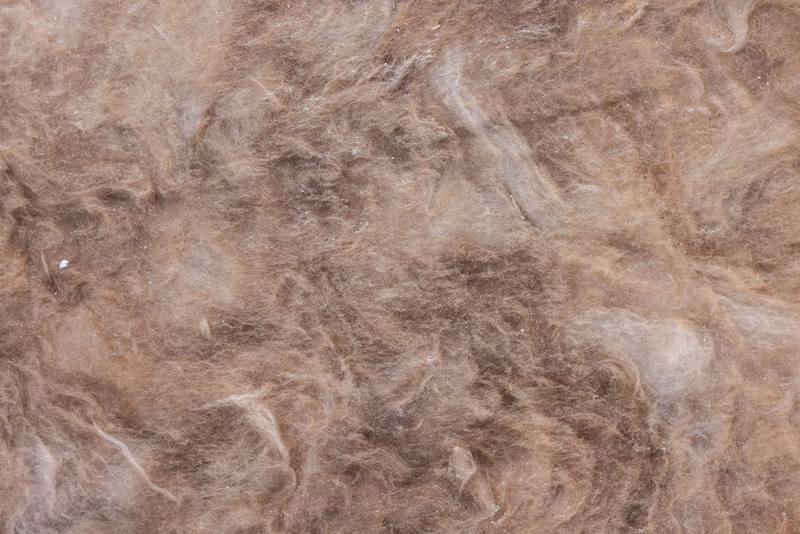
Blown-in insulation is loose fiberglass or cellulose that we blow through a hose into an attic or a wall cavity. It settles around wires, pipes, truss webs and odd framing, where batts are hard to fit. For many Sugar Land homes, it is the simplest way to bring a thin or tired attic back up to a useful depth.
What blown-in insulation is and where it works best
Blown-in insulation, also called loose-fill, is made of small pieces of fiberglass or cellulose. A machine in our truck breaks it up and pushes it through a long hose. In an attic, we spread it in an even layer across the ceiling joists. In an existing wall, we fill the cavity through small holes and then patch them.
It works best on open attic floors where the joists are irregular or crowded with wiring, recessed light housings, ductwork and blocking. Batts have to be cut and fitted around every one of those. Loose-fill flows around them and leaves fewer gaps, and small gaps matter more than most people expect.
It is not the right answer for every spot. Blown-in material does not seal air leaks on its own, and it does not belong against the underside of the roof deck. Where a home needs an air-tight layer, such as a conditioned attic or a rim joist, spray foam is usually the better fit. We will tell you which one makes sense for the space you have.
Signs your attic needs more insulation
Most homeowners never look in the attic until something feels wrong downstairs. These are the things we hear about most often, and the things worth checking yourself if you have safe access to the attic hatch.
- Upstairs rooms that stay warm in the afternoon even with the AC running.
- An air conditioner that runs for long stretches and struggles to reach the set temperature.
- Ceiling drywall that feels warm to the touch on a summer afternoon.
- Insulation that sits level with or below the tops of the ceiling joists, so you can see the wood framing.
- Bare patches near the attic hatch, around the air handler, or along the eaves where the layer thins out.
- Material that looks flattened, stained, or disturbed, with paths worn through it.
What usually causes blown-in insulation to fall short
Insulation does not wear out the way a shingle does, but it gets moved, compressed and damaged. Loose-fill settles over time, especially cellulose, and a layer that was correct when the house was built can end up thinner than it should be.
The most common cause we see is other work done in the attic. HVAC technicians, cable installers, electricians and pest crews all walk across the attic floor. They push insulation aside to reach a junction box or a duct, and nobody puts it back. A path to the air handler often has bare drywall underneath it.
Water is the next cause. A roof leak, a condensate pan that overflowed, or a sweating duct can soak an area. Wet insulation clumps, loses its loft and can grow mould. Rodents and raccoons are the third. They tunnel through loose-fill, nest in it and leave droppings, and that material should come out rather than be covered over.
Finally, some homes simply got the minimum at the time they were built. Topping up those attics is often the most noticeable change a homeowner can make to an upstairs room.
When to top up and when to remove and replace
If the existing insulation is dry, clean and simply too thin, we can usually blow new material right on top of it. That is the quicker and less disruptive job. Before we add anything, we check that bath fans and dryer vents are ducted outside rather than into the attic, and that soffit vents are not blocked.
Removal makes more sense when the old material is wet, mouldy, contaminated by animals, or smells of smoke or odour after a fire. It also makes sense when you want to seal the attic floor properly. Air sealing means closing the gaps around top plates, wire penetrations, plumbing chases and light housings, and you cannot reach those under a deep layer of old loose-fill.
We remove insulation with a large vacuum that runs out to bags outside, so the material does not come down through the house. Once the attic floor is clean and sealed, we blow in a fresh, even layer. If we find a problem that needs another trade, such as a roof leak or a disconnected duct, we will show you and suggest getting it fixed before new insulation goes in.
What is specific to Sugar Land homes
Sugar Land summers are long, hot and humid, and the attic is the hottest part of the house. Most homes here are built on slabs, so the air handler and much of the ductwork sit up in the attic. That puts cold ducts in a very hot space, and the insulation on the attic floor is what keeps that heat from pushing down into the rooms below.
Many neighbourhoods have two-storey homes with bonus rooms built over the garage. Those rooms often have knee walls and sloped ceilings, with short attic spaces behind them that are easy to miss. They are a frequent source of complaints about one room that never cools. We look at those spaces, not just the main attic.
Humidity matters too. Moist air leaking up from the house can condense on cool ducts and drip into the insulation. Good air sealing at the ceiling and well-sealed ducts keep that moisture out of the attic. Homes that have seen water after heavy storms should have their attic insulation checked for old water damage even if the ceilings look fine.
Fiberglass or cellulose
Both work well when they are installed at the right depth and kept dry. Blown fiberglass is light, does not soak up water as readily, and settles less over time. Cellulose is made from treated paper, is denser, and is good at filling small gaps and slowing air movement through the layer.
In closed walls, cellulose is often the better choice because it packs tightly into the cavity. In attics, either can be a good fit, and the choice often comes down to what is already there, how the attic is ventilated, and your own preference. We will explain the trade-offs on site rather than pushing one material.
What a visit involves
We start in the attic. We measure the depth of the existing insulation in several places, look for wet or damaged areas, check the air handler platform and ducts, and note where air leaks from the house below. We also look at ventilation at the soffits and roof. Then we come down and walk you through what we found, with photos if you did not go up yourself.
If you decide to go ahead, we protect the floor along the route to the attic hatch and set up the hose from the truck. We mark depth guides on the joists so the layer comes out even, keep material clear of recessed lights that are not rated for contact, and build a dam around the attic hatch so insulation does not spill when you open it. When we finish, we clean up and show you the finished attic.
FAQ
Common questions about blown-in insulation
Usually, yes, if the old material is dry, clean and free of animal damage. We check for moisture, mould and droppings first. If any of those are present, we recommend removing the old layer before adding new.
It can. We drill small holes between the studs, fill each cavity, and plug the holes. Walls with fire blocking or old batts inside may need extra holes, and we check that before we start.
It often helps, but a single hot room can also come from a leaky duct, a missing knee wall insulation, or a short attic behind a bonus room. We look at all of those during the visit so you are not adding insulation where it will not fix the problem.
A straightforward top-up in a single-storey attic is often done in a few hours. Removal, air sealing and new insulation takes longer, and the time depends on the size of the attic and how much has to come out. We give you a time estimate when we quote the job.
No. Most of the work happens in the attic and at the truck. We protect the path to the attic hatch, and you can stay home while we work.

Get Started
Tell us about your attic or building
Call (281) 010-0001 during business hours or send a note through the form. Tell us what you have noticed, such as hot upstairs rooms, high summer bills or damaged insulation, and we will arrange an inspection and a written estimate.