Closed-Cell Spray Foam in Sugar Land, TX
Dense, moisture-resistant foam for tight cavities, damp-prone spaces and framing that needs extra rigidity.
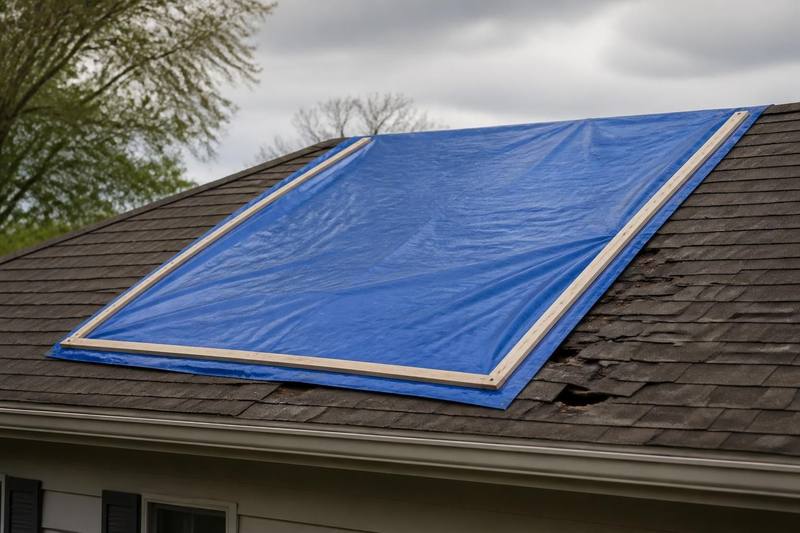
Closed-cell spray foam is a rigid, high-density insulation that we spray into place and that hardens into an air-tight, water-resistant layer. It suits homeowners and building owners in Sugar Land with shallow wall or roof cavities, low spaces that see moisture, or assemblies where strength matters as much as R-value.
What closed-cell spray foam is
Closed-cell foam is a two-part polyurethane that we spray as a liquid. It expands a short way and cures into a hard, dense layer. The cells inside are packed tight and sealed, so the foam holds its shape, resists absorbing water and blocks air movement. It is one of the two types under spray foam insulation, and it is the heavier, firmer one.
Cured, it feels closer to foam board than to a sponge. It bonds to wood, concrete, masonry and metal, and that bond is why it can stiffen an assembly in a way softer insulation cannot.
R-value per inch and why it matters in tight cavities
Closed-cell foam typically delivers around R-6 to R-7 per inch. That is roughly double what a fiberglass batt gives in the same depth. In a 2x4 wall, a shallow rafter bay, a rim joist or a narrow gap above a ceiling, that difference decides whether you reach a useful R-value at all.
It also seals as it cures. Gaps around plates, penetrations and framing joints fill with foam, so the air leaks that make a house drafty and humid are closed in the same pass. In a humid climate that matters, because leaky assemblies pull wet air into cavities where it can condense on cooler surfaces.
Moisture resistance in flood-prone and damp spaces
People usually come to closed-cell foam because of water. The reasoning is sound, but the limits are worth knowing before you buy.
What closed-cell foam does around water
It does not soak up water the way fiberglass or cellulose does. After a short wetting it can usually be rinsed, dried and left in place, while fibrous insulation holds the water and normally has to come out. Closed-cell foam is also commonly treated as a flood-damage-resistant material for areas below flood level. Check the rule that applies to your address with your local building official.
What it does not do
It does not waterproof a building. Foam will not stop water coming through a failed roof, a cracked slab or a leaking pipe, and it is not a flood barrier. Drainage, grading and repairs still have to be right. We will not spray over wood or masonry that is wet, because trapping moisture under foam creates a bigger problem than the one you started with.
Structural and tight-space uses
Because it bonds and cures hard, closed-cell foam adds some rigidity to the surfaces it coats. That does not replace an engineered repair, but it is a real benefit in these places:
- Roof decks, where the foam goes against the underside of the sheathing to make an unvented attic assembly.
- Rim joists and band joists, which are common air leaks and hard to fit with batts.
- Low, damp spaces such as a crawl space, where foam on the walls resists moisture and keeps its R-value.
- Odd framing, short cavities and areas around pipes and wiring that rigid board cannot follow.
When closed-cell is the wrong choice
Closed-cell foam costs more per inch than the softer alternative, and it is much harder to remove once it has bonded to framing. In a deep, dry attic rafter bay with no moisture concern, open-cell spray foam often does the job for less, and it absorbs sound better.
There are installation limits too. Closed-cell foam is applied in passes of an inch or two rather than all at once, because a thick single pass can overheat and cure badly. If the framing is damp or the surface is dirty, the foam will not bond properly. We would rather tell you to fix those first than spray over them.
How a closed-cell installation visit goes
We start by looking at the area and checking the wood or masonry for moisture. Then we cover windows, floors, wiring and anything else that should stay clean, and set up ventilation for the work.
The foam goes on in passes, with time between them for each layer to cure. Once it has set, we trim any foam that bulges past the framing so drywall or other finishes can go on flat. You will be asked to stay out of the sprayed area for the period the product manufacturer specifies, and we will tell you how long that is for your job.
Closed-cell foam in Sugar Land homes
Sugar Land has a humid subtropical climate, with a wet season from April to October and an average yearly rainfall of 48 inches. Summer dewpoints sit in the low to mid-70s °F, so wet air is constantly pushing into walls, garages and low spaces. A foam that resists moisture and seals air gaps suits those conditions.
Much of the city was built in the floodplain of the Brazos River and along Oyster Creek, and Hurricane Harvey flooded homes here. If a space on your property has taken on water before, closed-cell foam is a sensible insulation choice for it. The area is also subsiding, and houses have had foundation damage. Foam does not fix settling, so any movement in a slab or wall should be looked at by a foundation specialist first.
FAQ
Common questions about closed-cell spray foam
No. It resists absorbing water and does not rot or hold moisture like fibrous insulation, but it is not a waterproofing system. Leaks and drainage problems still need to be fixed separately.
Often yes, once the cause of the water is understood and the wood and soil conditions are checked. Closed-cell foam handles dampness better than batts, but standing water has to be dealt with first.
It adds some stiffness because it bonds to the framing and sheathing. It is not a substitute for structural repair, and we would not describe it as one.
That depends on the cavity and the R-value you want. At roughly R-6 to R-7 per inch, a shallow cavity can often be filled fully, and deeper spaces need fewer inches than other materials would.
Closed-cell is denser, firmer, more moisture-resistant and gives more R-value per inch, but it costs more. Open-cell is softer and lighter, and it suits dry, deep cavities where cost and sound control matter more.
You should stay out of the area being sprayed while the foam is applied and curing. We will tell you how long, based on the manufacturer's instructions for the product used.

Free Estimate
Schedule an insulation estimate in Sugar Land
Call (346) 279-1295 or send a request. We inspect the attic, explain what we find and give you a written estimate. We are open Monday to Friday 7:00 AM to 7:00 PM and Saturday 8:00 AM to 5:00 PM.