Metal Building Insulation in Sugar Land, TX
Spray foam for steel shops, barns and workshops that drip with condensation and bake in summer.
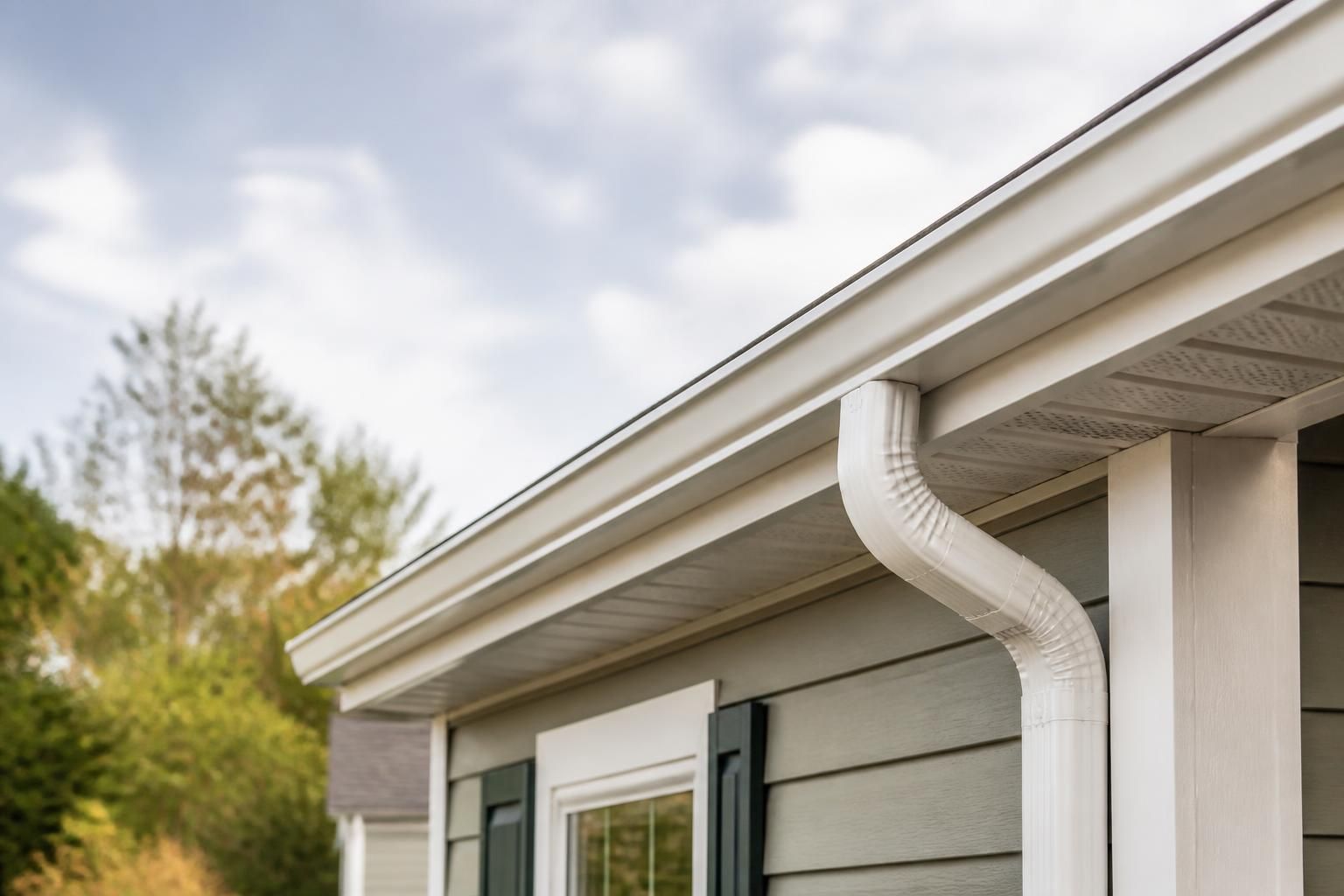
Metal building insulation is spray foam applied directly to the inside of a steel roof and walls. It stops warm, humid air from reaching cold steel and slows the heat that comes through the panels. It is for owners of steel shops, barns, workshops and storage buildings around Sugar Land who are tired of rain-like drips and a building that feels like an oven by noon.
Why spray foam suits a steel shop, barn or workshop
A steel building is a thin shell with a lot of surface and very little resistance to heat. Corrugated or standing-seam panels pick up the sun and pass it straight inside. At night or after a cold front the same panels drop in temperature faster than the air around them. Both problems come from the same weakness: nothing separates the steel from the room.
Spray foam fixes that by bonding to the underside of the panels. It fills the ribs and the gaps around purlins, girts and fasteners, so there is no cavity for air to move through. This is one of the jobs covered under spray foam insulation, and metal buildings are where the method earns its place, because blankets and loose fill have nothing to hold them against a curved, ribbed panel.
Why metal buildings drip: condensation on steel
Condensation forms when moist air touches a surface colder than its dew point. Our climate keeps the air humid for most of the year, and dewpoints in the low to mid-70s are normal in summer. Let that air into a shop, then cool the roof panels with a storm or a clear night, and water collects on the underside of the steel. It runs along the ribs and drips onto tools, vehicles, stored feed or finished work.
Rust follows. Water sitting at fastener holes and panel laps corrodes the steel from the inside, where you cannot see it. Wet insulation, mould on stored goods and pooled water on a concrete slab are the other usual signs.
A thin layer of foam sprayed tight to the panel keeps humid air away from the cold surface. With no contact, there is no condensation point. That is why the foam has to cover the steel completely, including the laps, the eaves and the tops of the walls. A gap the size of a hand can still collect water.
Cutting heat gain in a metal roof and walls
Summer highs in the area sit around 95 degrees through July and August, and the heat index stays near 100. A bare steel roof in that weather radiates heat into the building all afternoon. Fans move hot air around but do not remove it, and a window unit or mini-split in an uninsulated shop runs constantly and still loses.
Foam on the roof deck cuts that radiant load, and foam on the walls slows the heat that creeps in sideways. The shop stays closer to a usable temperature, and any cooling you add has less to fight. Because the foam also seals air leaks, hot air stops pushing in around doors, eaves and ridge vents.
Winters here are mild, with an average low in the mid-40s, so the heating benefit is smaller. You will still notice the building holds an overnight temperature better, which matters when cold steel is the thing producing the condensation.
Open-cell or closed-cell foam on metal panels
Both types can go on steel, and the right choice depends on how the building is used.
Closed-cell spray foam is dense, rigid and moisture-resistant. It bonds hard to the panel, adds a little stiffness and does not absorb water. For a roof that sweats, a barn that gets hosed down, or a building with a dirt or damp slab, it is usually the safer pick.
Open-cell spray foam is lighter and softer, and it expands more. It works in a dry, conditioned workshop where you want the air sealing and some sound dampening. It is not the first choice where liquid water could reach it from the roof side or where the humidity inside will stay high.
If you are unsure, tell us what happens in the building: welding, animals, wet equipment, a heated office corner. The use decides the product more than the building shape does.
What goes wrong with metal building insulation jobs
Most failures come from skipping preparation. Foam will not hold to a dusty, oily or wet panel, so the steel has to be clean and dry before spraying. Roof leaks need fixing first, since foam hides a leak rather than curing it.
Thickness matters too. A coat that is too thin leaves the steel cold enough to condense on the foam surface. Too thick on a hot day can cause cracking or poor adhesion, which is why a crew sprays in passes.
Existing fibreglass blanket draped under the roof is another common problem. It traps moisture against the steel and rots the vapour facing. It usually has to come out before foam goes on. If that applies to your building, our commercial spray foam work covers larger buildings where the old material is removed first.
What an estimate visit involves
We look at the building from the inside and outside. We check the roof and wall panel type, the framing, how the building is used, where the drips show up, and whether anything needs to be repaired or removed before spraying. We also ask about doors, vents and any equipment that gives off heat or moisture.
From that we recommend a foam type and a coverage plan, and we tell you what we would leave alone. You get a written estimate before any work is booked. Call us at (346) 279-1295 on a weekday, or use the Request an Estimate button and tell us about your building.
Whether the building is in Sugar Land, Richmond, Rosenberg or farther out, the questions are the same: what is the steel doing, and what is the air doing against it.
FAQ
Common questions about metal building insulation
In most cases, yes. Foam applied tight to the underside of the panels keeps humid air from touching cold steel, which is what causes the drips. The coverage has to be complete, including laps, eaves and wall tops.
Closed-cell is usually safer for roofs that sweat or buildings that stay damp, because it does not absorb water. Open-cell can work in a dry, conditioned workshop. We recommend one after seeing how the building is used.
Usually not. Old blanket insulation holds moisture against the steel and stops foam from bonding. It normally has to be removed and the panels cleaned and dried before spraying.
It can, which is why leaks should be fixed first. Foam does not cure a leak, and water behind it can corrode the panel unnoticed. We will point out signs of leaks during the estimate visit.
Equipment, vehicles and stored goods should be moved or covered, and people should stay out of the area while spraying is under way. We explain what to clear before the day of the job.
It dampens the drumming of rain on a steel roof and reduces some outside noise. Open-cell foam does more for sound than closed-cell. It will not make the building soundproof.

Free Estimate
Schedule an insulation estimate in Sugar Land
Call (346) 279-1295 or send a request. We inspect the attic, explain what we find and give you a written estimate. We are open Monday to Friday 7:00 AM to 7:00 PM and Saturday 8:00 AM to 5:00 PM.