Can I spray foam insulate my crawl space?
Yes, in most cases, but only after you deal with moisture, access and pest inspection, and only with the right type of foam for a humid climate.
Spray foam is one of the more common ways to insulate a crawl space, and it can make the floors of a pier-and-beam house noticeably more comfortable. A crawl space is not an attic, though. It sits close to damp ground and holds pipes and ducts you will need to reach later, so a few things have to be right before any foam goes in.
The short answer
Yes, you can spray foam a crawl space, and in many homes it works well. The foam seals gaps around pipes and wiring at the same time as it insulates, and that stops drafts coming up through the floor as well as heat moving through it.
There are two basic approaches. The first is to spray the underside of the floor and leave the crawl space vented to the outside, so the space stays outdoors and the foam separates it from your living area. The second is to close the crawl space off: cover the ground, seal the vents, and insulate the perimeter walls so the space becomes part of the conditioned house. Both can work. Which one suits your home depends on what is going on down there now.
What changes the answer on a real property
Moisture comes first. In a humid Gulf Coast summer, a vented crawl space pulls in damp outside air. When that air hits cool ductwork or the underside of a floor above an air conditioned room, it can condense. If the soil is wet, water stands after a storm, or the wood is already stained or soft, that problem has to be fixed before insulating. Foam does not dry out a wet crawl space. Sprayed over damp wood, it can hold moisture against the framing where you cannot see it.
The type of foam matters. Closed-cell foam is dense and resists water vapour, so it is usually the choice under floors and on perimeter walls in damp spaces. Open-cell foam is softer and lets vapour pass through. It suits attics and interior walls better than a vented crawl space in this climate.
Access matters too. Some crawl spaces are too low for anyone to work in safely, and a duct run or drain line can block whole sections of floor. Plumbing and wiring may also need repairs, and those are easier to do before foam covers the joists.
Then there are pests. Foam can hide termite mud tubes on piers and sill plates. Some pest control agreements require certain surfaces to stay visible, so check yours before anything is sprayed.
Finally, code. Exposed foam often needs a protective covering or a product rated for that use, depending on local rules and whether the space holds equipment or gets used for storage. Your city or a qualified installer can confirm what applies.
Crawl spaces in Sugar Land homes
Many houses in Sugar Land and the surrounding suburbs sit on concrete slabs, so they have no crawl space at all. You are more likely to find one in an older pier-and-beam home, under some additions, or in a house where the builder raised the floor on a low lot.
The local clay soil swells when it is wet and shrinks in dry spells, and heavy rain can leave water sitting under a raised house for days. Both are worth thinking about before insulating. If your street has flooded before, ask how the insulation would be handled if water got in again. Foam on floor joists that has been under floodwater may need to come out, and it is better to plan for that than to find out afterwards.
What you can check yourself
You can learn a lot from the access hatch with a good flashlight. You do not have to crawl in.
Look for standing water, damp or muddy soil, and any musty smell. Look at the wood: dark stains, white or green growth, or joists that feel soft when pressed suggest a moisture problem. Check any existing insulation. Fiberglass batts that sag, hang loose or lie on the ground are not doing much. Look for mud tubes on piers, droppings or nesting material, and gaps around pipes where outside air gets in. Note whether the ducts are wrapped and whether any have come apart.
Inside the house, notice whether the floors feel cold in winter or the rooms feel sticky in summer even with the air conditioning running. Photos from the hatch are useful to show an installer and can save a second trip.
When it needs a professional
Spray foam is made on site by mixing two chemicals as they are sprayed. Doing it properly takes the right equipment, protective gear and ventilation, and in a tight crawl space the fumes and the awkward working position make it harder still. Small canned foam kits are fine for sealing a gap around a pipe. They are not meant for covering a whole floor.
You should also call someone if you find standing water, mould, damaged wood, or old insulation that is wet or full of pests. Those need to be dealt with first. Our Insulation Removal service covers taking out failed batts and debris so the new insulation goes onto clean, dry framing.
How a visit works
For Crawl Space Insulation, we start by looking at the space itself: moisture, clearance, the condition of the wood, the ducts and pipes, and how the vents are set up. From there we tell you whether foam makes sense, which type, and whether the floor or the perimeter walls are the better place for it. If the space needs drainage or repair work before insulation, we say so plainly rather than spraying over it.
You get a written estimate that explains the approach, so you can compare it fairly and decide in your own time. If you have a crawl space in Sugar Land or a nearby city and want it looked at, request an estimate and we will set up a time.
Related questions
In a humid climate like ours, closed-cell foam is usually the better choice for a crawl space. It is denser and resists water vapour, so damp air under the house is less likely to reach the wood behind it. Open-cell foam is better suited to attics and interior walls.
It depends on where the foam goes. If the underside of the floor is insulated, the vents usually stay open. If the space is sealed and the perimeter walls are insulated, the vents are closed and the ground is covered, and the space then needs some way of controlling humidity.
Usually, yes. Foam has to stick directly to the wood, so batts between the joists get in the way, and wet or sagging batts can hold moisture and pests. Taking them out also lets us check the framing before it is covered.
No. Foam slows air and vapour moving into the house, but it does not remove water that is already there. Standing water, drainage problems and wet wood need to be fixed first, or the foam can trap moisture against the framing.
Small cans of foam are fine for sealing gaps around pipes and wires. Covering a whole floor or wall takes two-part equipment, protective gear and ventilation, and a cramped crawl space makes even coverage hard to get. For anything beyond small gaps, a professional install is the safer choice.
Services
How we can help in Sugar Land
Spray Foam Insulation
Open and closed cell foam applied to attics, walls and rooflines to seal air leaks and insulate in one pass.
Learn more
Attic Insulation
Attic floors and roof decks insulated to the depth the TX climate calls for, with ventilation checked first.
Learn more
Blown-In Insulation
Cellulose or fiberglass blown to an even depth over existing attic floors and into closed wall cavities.
Learn more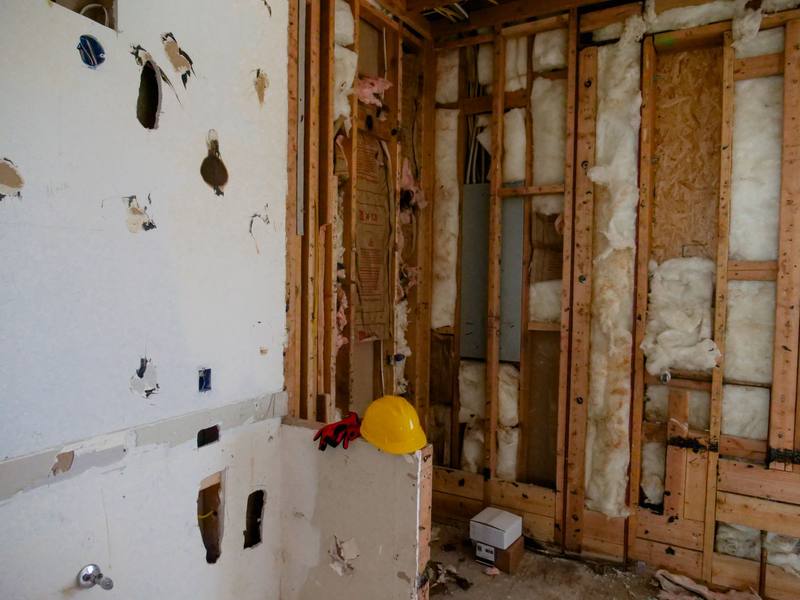
Insulation Removal
Old, wet, pest-damaged or compressed insulation vacuumed out before new material goes in.
Learn more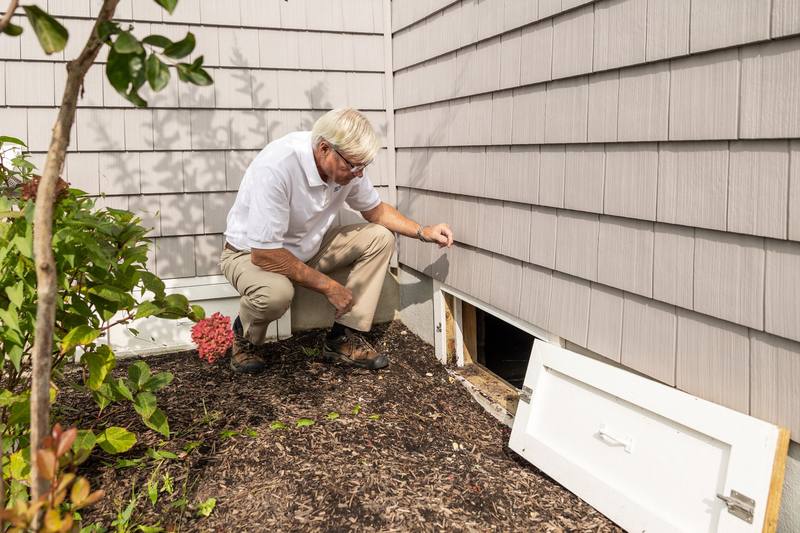
Crawl Space Insulation
Rim joists and crawl space walls sealed and insulated so floors stop feeling cold and damp.
Learn more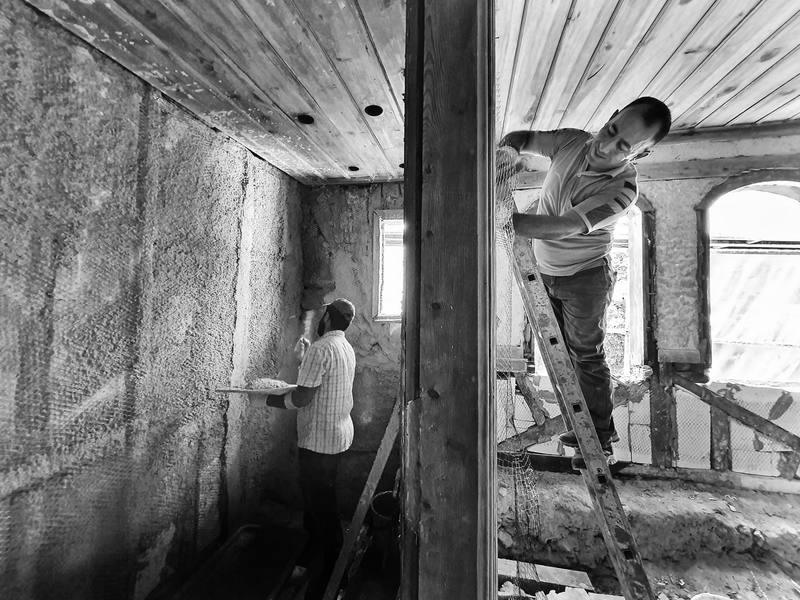
Wall Insulation
Exterior walls insulated through small drilled openings or during a remodel, patched and finished after.
Learn more
Commercial Spray Foam
Metal buildings, warehouses and shops foamed for temperature control and condensation.
Learn more
Radiant Barrier
Reflective barrier on the underside of the roof deck to cut attic heat gain in summer.
Learn more
Emergency Insulation Replacement
We remove and replace insulation that has been soaked, burned, smoke-damaged or fouled by pests, so the damage does not spread into the rest of your home.
Learn more
Get Started
Tell us about your attic or building
Call (281) 010-0001 during business hours or send a note through the form. Tell us what you have noticed, such as hot upstairs rooms, high summer bills or damaged insulation, and we will arrange an inspection and a written estimate.