Can spray foam cause moisture problems in an attic?
Yes, it can, but usually because of a roof leak, gaps in the foam or a sealed attic that was never connected to the home's air conditioning, not because of the foam itself.
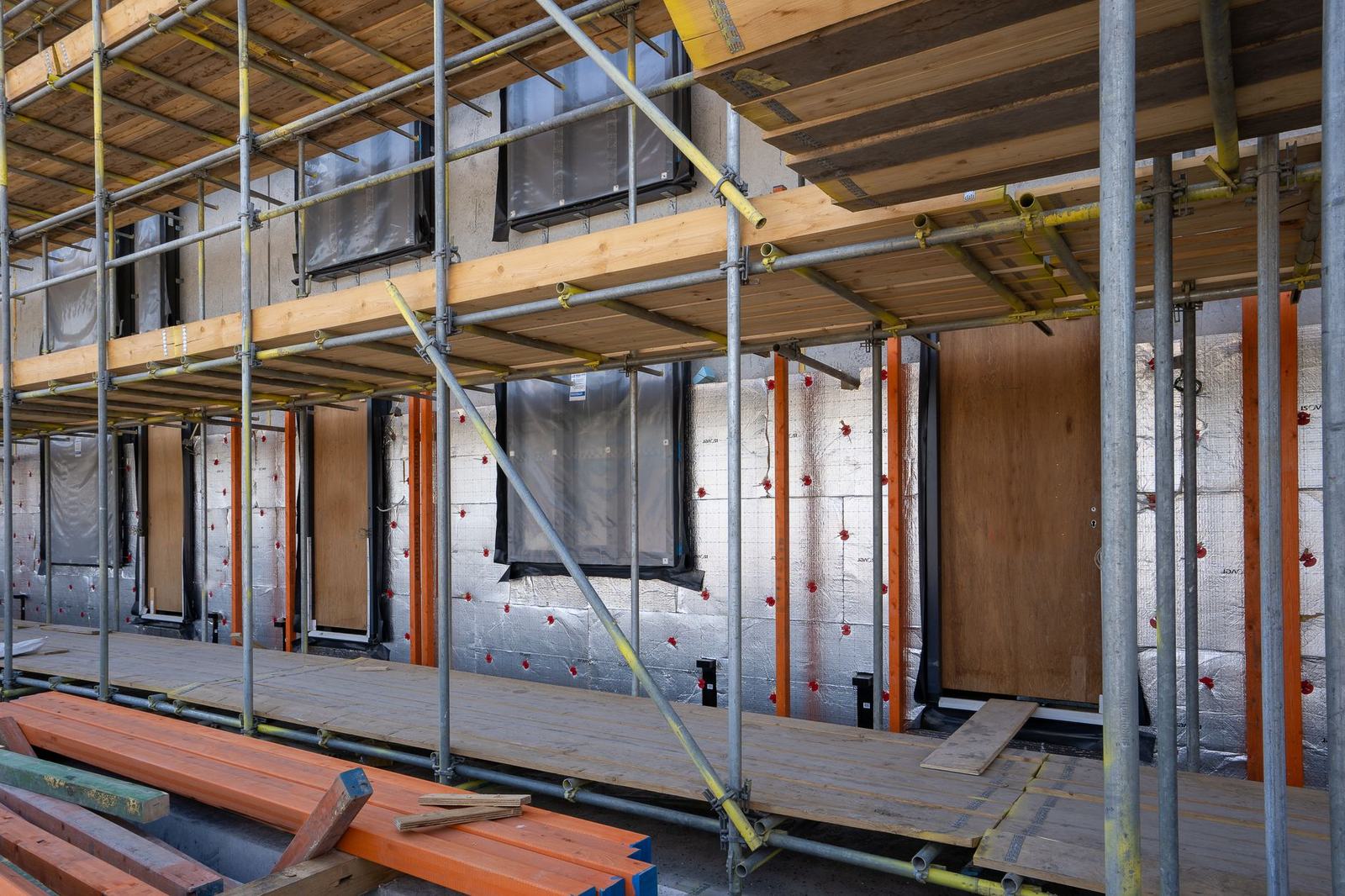
Spray foam on the underside of a roof changes how an attic behaves. In a humid place like Sugar Land, that change is often helpful, but it also changes where moisture can collect and how quickly you notice it. Here is what usually causes the problems, what you can check yourself, and when to call someone.
The short answer
Spray foam does not create water. What it can do is change where moisture goes and how quickly you notice it. When foam is installed on the underside of the roof deck, the attic becomes part of the conditioned space of the house. That is usually a good thing in a hot, humid place like Sugar Land: the ductwork and air handler sit in air that is close to indoor temperature instead of baking in a vented attic.
Problems show up when that new space is treated as if nothing changed. If humid air gets in and nothing removes it, it settles on the coolest surfaces, and that can mean damp wood, musty smells or mould on the roof sheathing. So the honest answer is yes, it can, but usually because of how the job was planned or what happened afterward, not because foam is a bad material.
What usually causes the trouble
Most moisture problems in sprayed attics trace back to a short list of causes. The first is a roof leak. Foam on the deck covers the underside of the sheathing, so a leaking flashing seam or a cracked pipe boot can wet the wood for a long time before a stain reaches a ceiling. Closed-cell foam resists water passing through it, so a leak can stay hidden longer. Open-cell foam lets water through slowly, which is one reason it is often chosen on roof decks: a leak tends to show sooner.
The second is an attic that was sealed but never conditioned. Once the vents are closed, that air needs some connection to the house system, such as a small supply register or a dehumidifier, so it is dried along with the rest of the home. Without it, attic air can stay humid through a long Gulf Coast summer.
The third is gaps. Foam sprayed too thin, missed at the eaves, or pulled away from the framing leaves spots where moist air meets a cooler surface. The fourth is leftover venting, such as ridge or soffit vents left open, so outside air keeps flowing into a space that was meant to be closed.
What changes the answer on a real house
Houses around Sugar Land, Missouri City and Stafford are often slab-on-grade with a hip or gable roof, composition shingles, and the air handler and ducts in the attic. That layout is exactly where sealing the attic makes sense, and also where a mistake costs the most, because the equipment that keeps the house dry sits in the space you just changed.
A few things shift the answer for a specific property. The age and condition of the roof matter most: foam under a roof near the end of its life makes the next leak harder to find. The size of the air conditioning system matters too, because an oversized unit cycles off quickly and does less drying. Bath fans and dryer vents that end in the attic instead of outside push wet air straight into the space. Gas appliances in the attic need their combustion air and venting checked before anything is sealed. And homes with existing batts or blown-in material on the attic floor need a plan for it, since a full layer on the floor separates the attic from the conditioned air it now depends on.
What you can check yourself
You do not need to cut into foam to learn a lot. On a warm afternoon, go up into the attic with a flashlight and notice how it feels. A sealed attic should feel close to the rest of the house, maybe a little warmer, not muggy. A musty or sour smell is worth paying attention to.
Look at the foam around roof penetrations, plumbing vents, valleys and any skylights. Dark stains, soft spots, foam that is crumbling or separating, or water marks on rafters near those points are signs to follow up. Check the eaves for gaps where you can see bare sheathing. Look for drip marks on ducts or the air handler, and make sure the condensate line and drain pan are clear and dry.
A simple hygrometer left in the attic for a few days, compared with one in the living room, tells you whether the attic air is being dried along with the house. If the attic reads noticeably higher, it is probably not connected to the system well enough. Also find where your bath fans and dryer vent end. They should run all the way through the roof or an outside wall.
When it needs a professional
Call someone when you find wet or stained wood, a smell that does not go away, visible mould, or a stain on a ceiling below the attic. Those point to water getting in, and the source needs to be found before anything else is done. Often that means a roofer and an insulation contractor working from the same information, since removing a section of foam is sometimes the only way to see the deck.
It is also worth having someone look before you add foam, not just after. A proper look at the roof, the attic equipment, the venting and the existing insulation is how most of the problems above are avoided. If you already have foam and the attic feels humid but nothing is wet, the fix may be small, such as closing leftover vents or adding a supply register, and that is a conversation to include whoever services your air conditioning.
How this fits with the work we do
Our Spray Foam Insulation work starts with the roof and the attic as they are today, not with the foam. We look at the roof deck, the equipment, the vents and the existing material, and we tell you if something needs attention first. Where foam has been installed over a problem, or a leak has soaked part of it, Insulation Removal is often the first step so the wood can be inspected and dried before anything goes back in. If you are in Sugar Land or one of the nearby cities we serve and want someone to look at your attic, call us at (281) 010-0001 or request an estimate.
Related questions
Both are used on roof decks here. Open-cell is common under the roof deck in our climate and tends to let a leak show sooner, while closed-cell resists water passing through and can hide a leak longer. The right choice depends on the roof, the house and local code requirements, so it is worth talking through on a visit.
Not in the usual sense. The roof and soffit vents are closed and the attic is treated as part of the house. It does need its air conditioned or dehumidified along with the home, usually through a small supply register or a dehumidifier.
Yes, but it is harder. Roofers usually start from the outside and check flashing, pipe boots and valleys first. If the leak cannot be found that way, a small section of foam may need to be cut away to see the deck.
In many cases, yes. Once the roof deck is insulated, a full layer on the attic floor separates the attic from the conditioned air it relies on. Removing it also gives a clear look at the ceiling drywall, wiring and any signs of past leaks.
Services
How we can help in Sugar Land
Spray Foam Insulation
Open and closed cell foam applied to attics, walls and rooflines to seal air leaks and insulate in one pass.
Learn more
Attic Insulation
Attic floors and roof decks insulated to the depth the TX climate calls for, with ventilation checked first.
Learn more
Blown-In Insulation
Cellulose or fiberglass blown to an even depth over existing attic floors and into closed wall cavities.
Learn more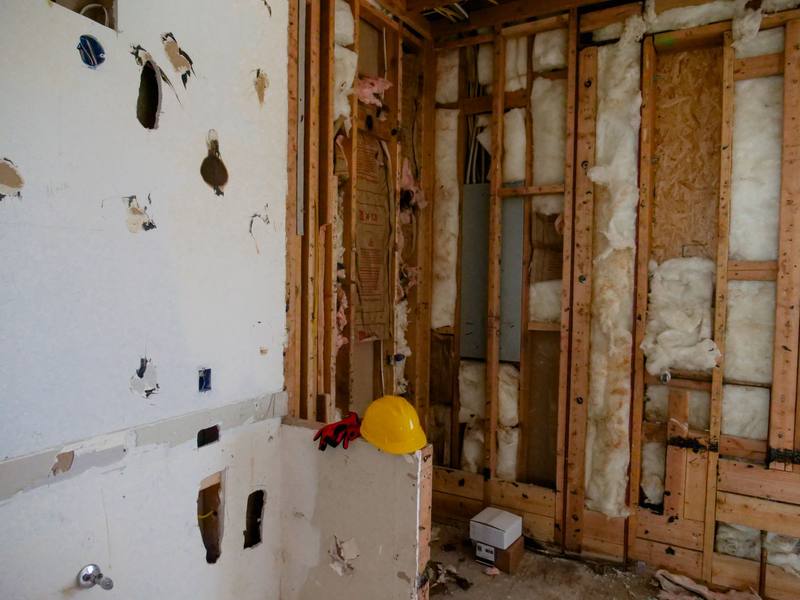
Insulation Removal
Old, wet, pest-damaged or compressed insulation vacuumed out before new material goes in.
Learn more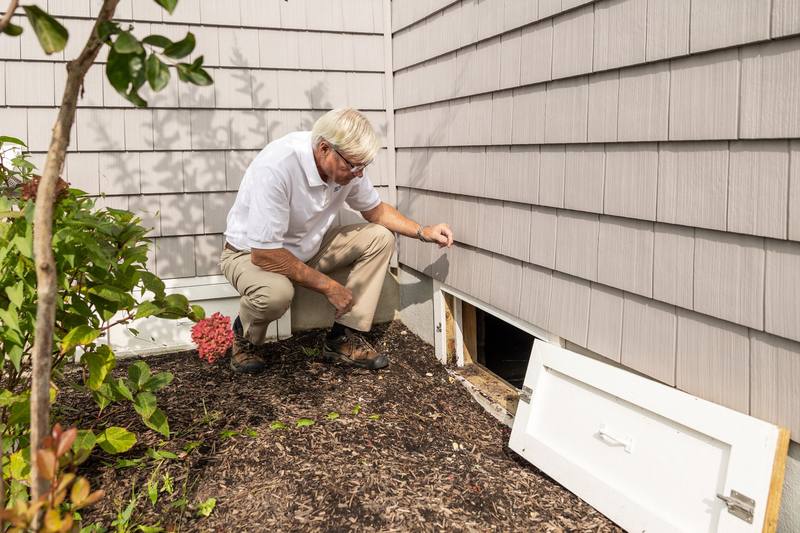
Crawl Space Insulation
Rim joists and crawl space walls sealed and insulated so floors stop feeling cold and damp.
Learn more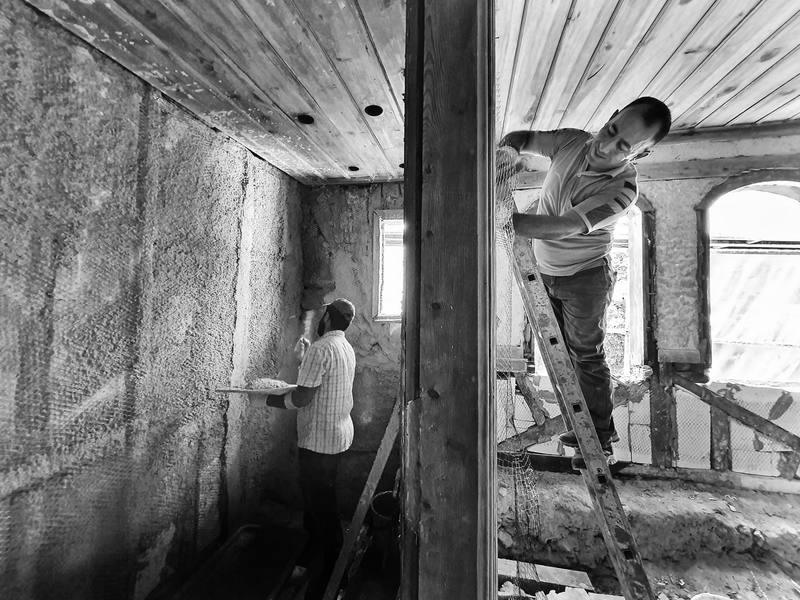
Wall Insulation
Exterior walls insulated through small drilled openings or during a remodel, patched and finished after.
Learn more
Commercial Spray Foam
Metal buildings, warehouses and shops foamed for temperature control and condensation.
Learn more
Radiant Barrier
Reflective barrier on the underside of the roof deck to cut attic heat gain in summer.
Learn more
Emergency Insulation Replacement
We remove and replace insulation that has been soaked, burned, smoke-damaged or fouled by pests, so the damage does not spread into the rest of your home.
Learn more
Get Started
Tell us about your attic or building
Call (281) 010-0001 during business hours or send a note through the form. Tell us what you have noticed, such as hot upstairs rooms, high summer bills or damaged insulation, and we will arrange an inspection and a written estimate.