Does a radiant barrier work in Sugar Land?
Yes, in most Sugar Land attics a radiant barrier cuts the heat coming off a hot roof deck, but it works alongside insulation, not instead of it, and only when it is installed with an air gap and the right side facing the right way.
Sugar Land summers put a lot of sun on a roof for a long stretch of the year, and most of that heat ends up in the attic. A radiant barrier is one of the few products built for exactly that problem. Whether it is worth it on your house depends on how your attic is built and what is already up there.
The short answer
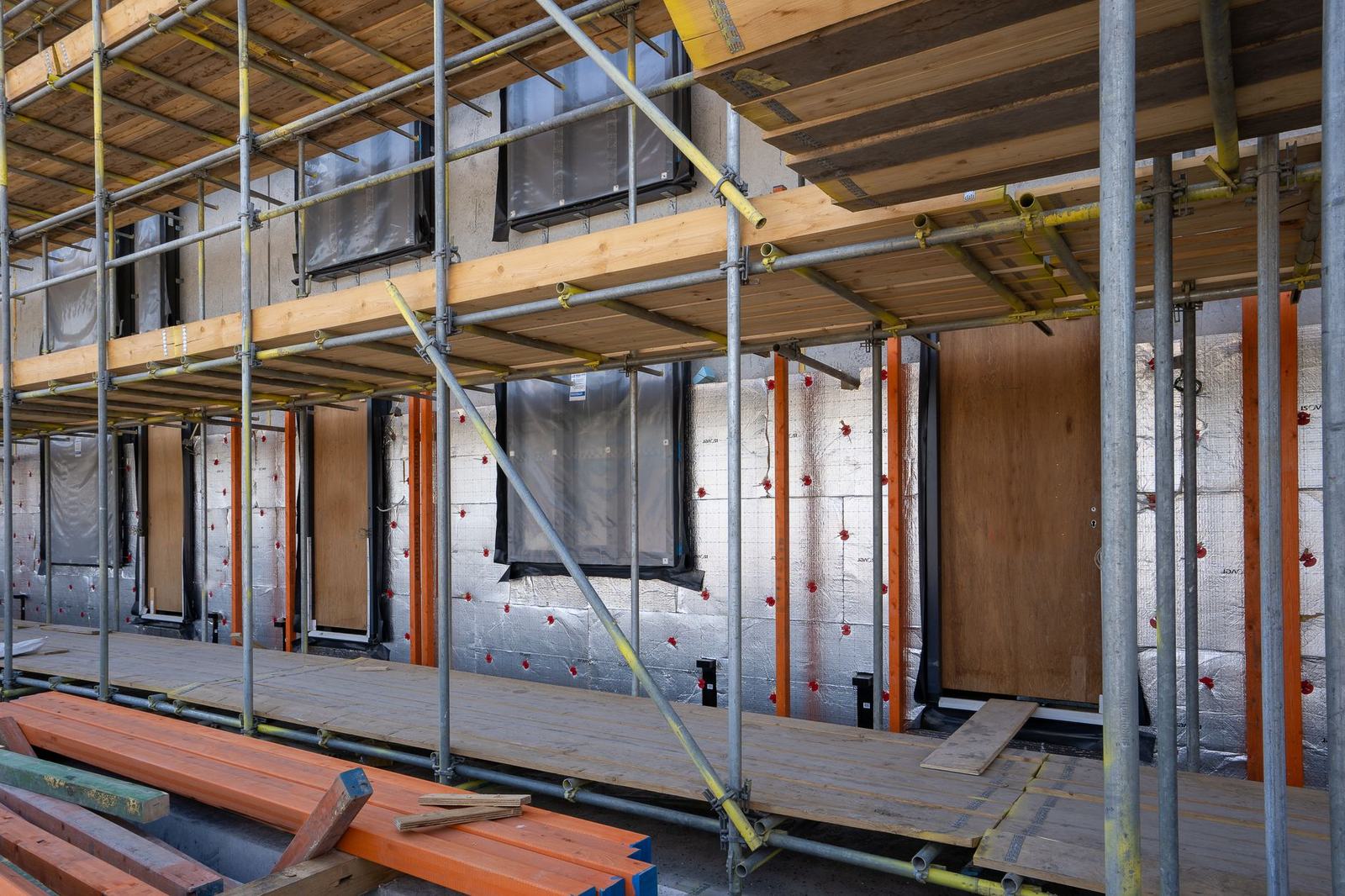
A radiant barrier is a sheet of reflective foil, or a foil-faced roof deck, that sits under the roof. On a sunny afternoon the shingles and decking get very hot and send that heat down into the attic as radiant energy. The foil reflects much of it back up and gives off very little heat of its own, so the attic air, the ductwork and the top of your insulation stay cooler.
In a hot, sunny climate like Sugar Land's, that is a real effect, not a marketing one. You notice it most in the attic itself, which feels less like an oven, and in the air coming out of your vents on summer afternoons. What a radiant barrier does not do is slow heat moving through your ceiling the way insulation does. Think of it as a shade over the attic, not a blanket over the house. If your insulation is thin, the barrier helps a little. If your insulation is in good shape and your ducts run through the attic, it tends to help more.
What changes the answer on a real house
Where your ductwork and air handler sit matters most. A lot of homes around Sugar Land and Fort Bend County have the air handler and supply ducts in the attic. Every degree you take off that attic air is a degree your cooled air does not pick up on its way to the rooms. If your ducts are inside the conditioned space, the barrier still helps the attic, but you feel less of it in the house.
The second thing is the attic type. If your roof deck has already been sprayed with foam and the attic is sealed, the attic is no longer a hot space above the house, and a radiant barrier adds very little. In a vented attic with insulation on the floor, it makes sense.
Installation details matter too. Foil needs an air gap on its shiny side to reflect heat. Foil laid flat on top of the insulation collects dust over the years, and dust dulls the surface. That is why we usually staple it to the underside of the rafters, foil facing down into the attic, where it stays cleaner. Shade from big trees, roof color and how much attic venting you have all shift how much it does.
What you can check yourself
Start by looking in the attic on a warm afternoon, carefully and with a light. Note whether you see foil on the underside of the roof deck already. Many newer homes were built with foil-faced decking, and adding a second barrier under it does little.
Next, look at where the ducts run and how they look. Ducts lying across the insulation or hanging between rafters are a sign the barrier could help. Check for torn or loose duct wrap while you are there, since that is worth fixing first.
Look at the depth and condition of the insulation on the attic floor. If you can see the tops of the ceiling joists, it is thin. If it is matted, wet-looking or has signs of rodents, deal with that before anything else.
Finally, check the vents. You should see soffit vents along the eaves and some kind of exhaust near the ridge. If the attic has little airflow, heat builds up regardless of what is under the roof. Do not walk on anything but the joists, and stay off the attic floor if you are not sure where the joists are.
When it needs a professional
A radiant barrier is not complicated material, but the attic is a hard place to work. Sugar Land attics in summer can get hot enough to be dangerous by late morning, and stapling foil overhead means working on joists near wiring, nails and ductwork. A professional crew plans the work for cooler hours, knows how to keep the foil off exhaust flues and away from recessed lights, and leaves the vent paths open.
Call someone in when you find damaged or wet insulation, signs of pests, crushed or disconnected ducts, or a roof leak. Those are problems a barrier will cover up rather than fix. It is also worth a visit if you are not sure whether your attic is vented or sealed, or whether your roof deck already has a foil face.
A visit from us usually means walking the attic, checking insulation depth and condition, looking at the ducts and venting, and telling you plainly whether a radiant barrier is worth it on your house or whether something else should come first.
How it fits with other insulation work
Most of the time, the best result comes from pairing a barrier with the right amount of insulation. Our Radiant Barrier work is often done at the same visit as Attic Insulation, because the attic is already being prepared and the crew is already up there. If your attic floor is thin, adding blown-in material does the slow, all-day work of keeping heat out of your rooms, and the barrier cuts the peak heat load from the roof on top of that.
If you are weighing a sealed attic with spray foam on the roof deck, that is a different approach, and in that case a radiant barrier is usually not needed. We can talk through both options against your house, your ducts and how you use the space.
If you would like someone to look at your attic and give you a straight answer, request an estimate and we will come out and take a look.
Related questions
No. A radiant barrier reflects heat coming off the roof, while insulation slows heat moving through your ceiling. They do different jobs, and most Sugar Land homes benefit from having enough insulation first.
When it is attached to the underside of the rafters, the foil faces down into the attic, with an air gap on that side. That keeps the reflective surface cleaner over the years. Foil laid flat on top of insulation tends to collect dust and lose effect.
Usually not. A sealed attic with foam on the roof deck is no longer a hot space above the house, so there is little radiant heat left for the barrier to block. We would tell you that on a visit rather than sell you one.
In most cases, no. Foil-faced decking already acts as a radiant barrier, and adding a second layer under it adds very little. Your money is usually better spent on insulation depth or duct repairs.
That is where it tends to help the most. Ducts and air handlers in a cooler attic pick up less heat before the air reaches your rooms. It is still worth checking that the ducts are sealed and wrapped first.
Services
How we can help in Sugar Land
Spray Foam Insulation
Open and closed cell foam applied to attics, walls and rooflines to seal air leaks and insulate in one pass.
Learn more
Attic Insulation
Attic floors and roof decks insulated to the depth the TX climate calls for, with ventilation checked first.
Learn more
Blown-In Insulation
Cellulose or fiberglass blown to an even depth over existing attic floors and into closed wall cavities.
Learn more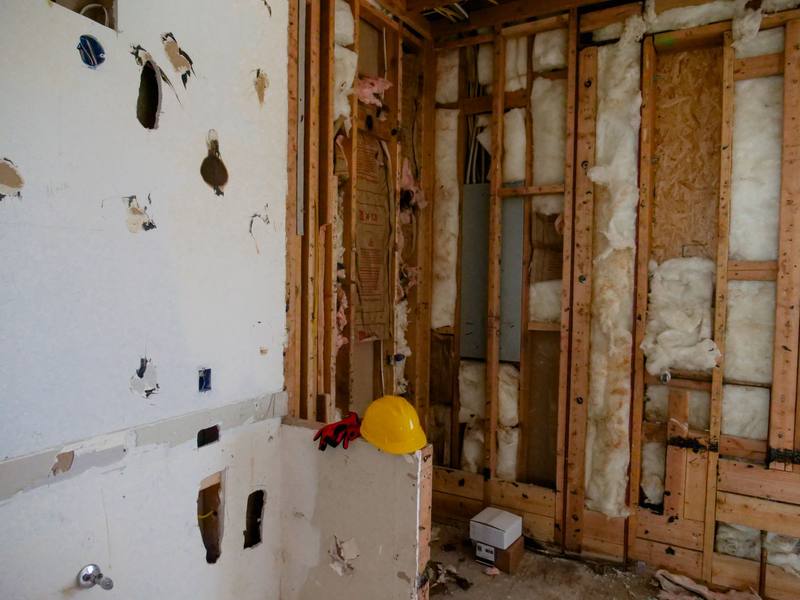
Insulation Removal
Old, wet, pest-damaged or compressed insulation vacuumed out before new material goes in.
Learn more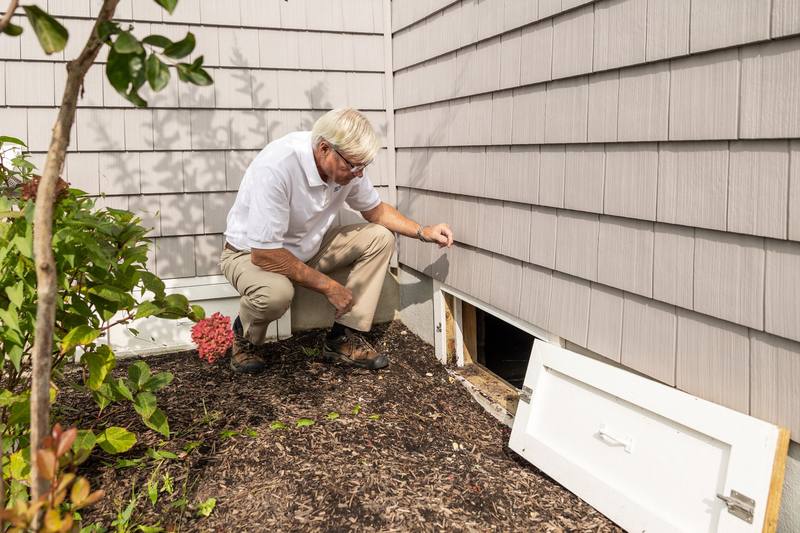
Crawl Space Insulation
Rim joists and crawl space walls sealed and insulated so floors stop feeling cold and damp.
Learn more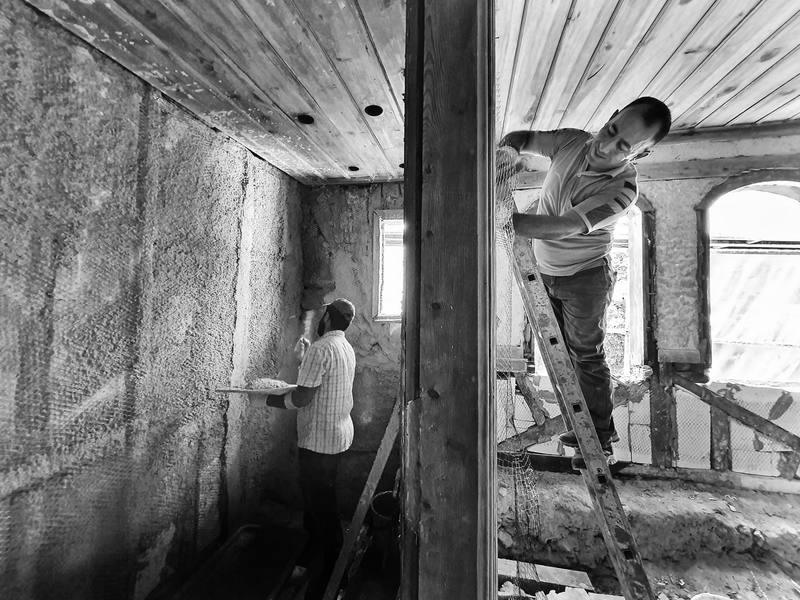
Wall Insulation
Exterior walls insulated through small drilled openings or during a remodel, patched and finished after.
Learn more
Commercial Spray Foam
Metal buildings, warehouses and shops foamed for temperature control and condensation.
Learn more
Radiant Barrier
Reflective barrier on the underside of the roof deck to cut attic heat gain in summer.
Learn more
Emergency Insulation Replacement
We remove and replace insulation that has been soaked, burned, smoke-damaged or fouled by pests, so the damage does not spread into the rest of your home.
Learn more
Get Started
Tell us about your attic or building
Call (281) 010-0001 during business hours or send a note through the form. Tell us what you have noticed, such as hot upstairs rooms, high summer bills or damaged insulation, and we will arrange an inspection and a written estimate.