Does spray foam insulation need to be removed before selling a house?
In most cases no: spray foam that was installed properly can stay, and usually only damaged, wet or badly installed foam needs to come out.
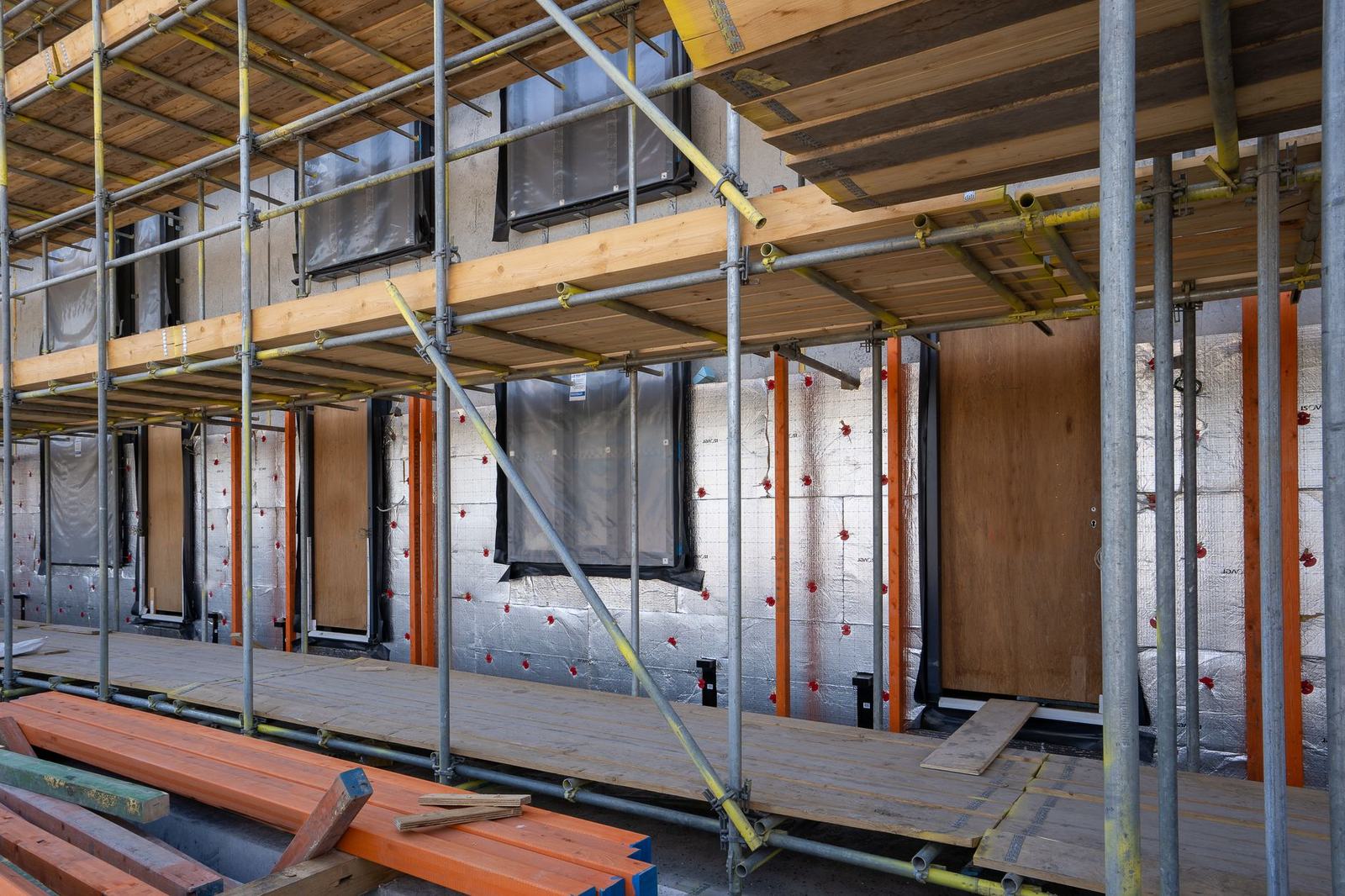
Sellers in Sugar Land often ask whether foam in the attic will cause trouble with a buyer. Usually it does not, but the condition of the foam matters more than the fact that it is there. Here is how to tell which side of that line your house is on.
The short answer: usually no
In most cases, spray foam insulation does not need to come out before you sell a house. There is no general rule that a seller has to remove insulation that was installed properly. The buyer gets the house as it is, and foam in the attic or walls is part of the house, just like the roof or the water heater.
It gets more complicated when the foam was installed badly, when it hides something an inspector needs to see, or when a buyer, inspector or lender asks questions about it. Those cases are the exception, but they do happen. It is better to find out before you list than in the middle of your option period.
So the useful question is not whether foam has to be removed. It is whether the foam in your house will stand up to an inspection.
What changes the answer on a real property
Two houses can both have spray foam and get very different reactions from a buyer. These are the things that usually make the difference:
Many Sugar Land homes are slab-on-grade brick houses with the air handler and ductwork up in the attic. That makes the attic the place where foam is most likely to be, and the place an inspector spends the most time. A sealed attic with foam on the roof deck works differently from a vented attic with blown-in insulation on the floor, and buyers sometimes need that difference explained.
- How it was installed. Foam sprayed too thick in one pass, left with gaps, or pulled away from the framing tends to get comments from an inspector.
- Smell. A chemical odor that lingers long after installation usually points to a mixing or curing problem, and buyers notice it right away.
- Coverage of the roof deck. Foam sprayed under the roof deck hides the decking and rafters, so an inspector cannot check for leaks or rot from inside the attic.
- Moisture. Foam that is wet or stained, or that has trapped water against the wood, means there is a leak somewhere that needs finding.
- Paperwork. Buyers and their agents may ask who installed the foam, when, and what product was used. Having no record will not sink a sale, but it leaves room for doubt.
- Lender or insurer questions. Some buyers find that their lender or insurer asks about foam on the roof deck. This varies, so ask the buyer's side early instead of guessing.
What you can check yourself
Before you list, go up into the attic with a good flashlight. Do it on a cooler morning, because Sugar Land attics get very hot by midday. Stay on the framing and never step between the joists.
If you know about a past problem, such as a roof leak that wet the foam, ask your agent how to cover it on your seller's disclosure. A known issue that comes out late usually causes more trouble at closing than the issue itself would have.
- Look for gaps, cracks, or places where the foam has pulled away from the rafters or the top of the walls.
- Look for dark stains, soft spots or drip marks, especially around roof penetrations like vent pipes.
- Smell the space. A faint smell of wood and dust is normal. A sharp, fishy or chemical smell is not.
- Check that foam is not packed around recessed light fixtures that are not rated for contact with insulation, or around a gas flue that needs clearance.
- Find any paperwork from the original job and keep it with your sale documents.
When it needs a professional
Call someone if you find an odor that will not go away, wet or crumbling foam, large sections that have pulled loose, or a roof leak you cannot trace because the decking is covered. Also call if the buyer's inspection report flags the foam and you need a clear answer about what is actually wrong.
A visit usually means looking over the attic, checking how thick and even the foam is, probing any damp areas, and looking at whatever parts of the roof deck can be seen. Often the fix is small: cutting out a section to look at a stain, patching it once the roof leak is repaired, or sealing a gap. Full removal is rarely the first answer. It mostly makes sense when the foam was mixed wrong, holds a smell that will not clear, or has trapped moisture across a large area.
Removing spray foam is slow, messy work. It has to be cut and scraped off the framing by hand, and afterwards the attic needs new insulation of some kind. An empty attic makes a house hard to cool in a Sugar Land summer, and a buyer will notice that too.
How this fits with the work we do
Our Insulation Removal service covers the cases where foam really does need to come out, whether that is one damaged section around a leak or a whole attic. When removal is the right call, we follow it with new insulation so the house is not left bare. That matters to a buyer as much as the removal does.
If the foam is sound and you just want to know whether it will pass an inspection, we can look at it, tell you plainly what we see, and take care of small repairs through our Spray Foam Insulation service. We work in Sugar Land and nearby cities, including Missouri City, Stafford and Richmond.
If you are getting ready to sell and want a clear picture first, request an estimate and we will set up a time to look at the attic.
Related questions
Not always. A careful inspector will note foam that covers the roof deck, because it limits what they can see, and will flag gaps, odor or signs of moisture. Foam that is even and dry usually gets a short note instead of a repair item.
Yes. Plenty of houses sell with foam on the roof deck. Expect the buyer's inspector to ask about the condition of the decking, and have whatever records you kept from the installation ready.
It can raise questions, but it does not make a house unsellable. A dry attic, no odor and clear paperwork answer most of them. The problems usually come from poor installation, not from the foam itself.
Usually not. Removal is disruptive, and the attic needs new insulation afterwards. Have the foam looked at first, then remove only what is damaged or failing.
Read exactly what the report says, because it is often a note about limited visibility, not a defect. If it names a real problem, have that area looked at so you can answer with facts during the option period.
Services
How we can help in Sugar Land

Spray Foam Insulation
Open and closed cell foam applied to attics, walls and rooflines to seal air leaks and insulate in one pass.
Learn more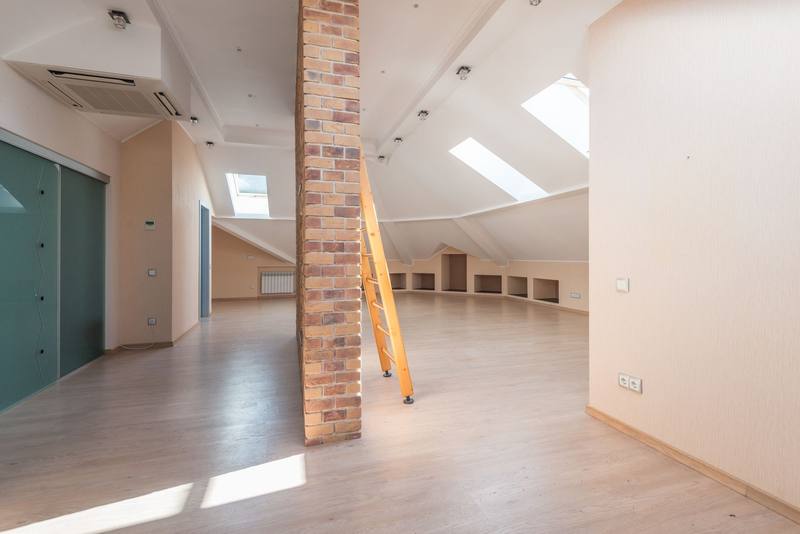
Attic Insulation
Attic floors and roof decks insulated to the depth the TX climate calls for, with ventilation checked first.
Learn more
Blown-In Insulation
Cellulose or fiberglass blown to an even depth over existing attic floors and into closed wall cavities.
Learn more
Insulation Removal
Old, wet, pest-damaged or compressed insulation vacuumed out before new material goes in.
Learn more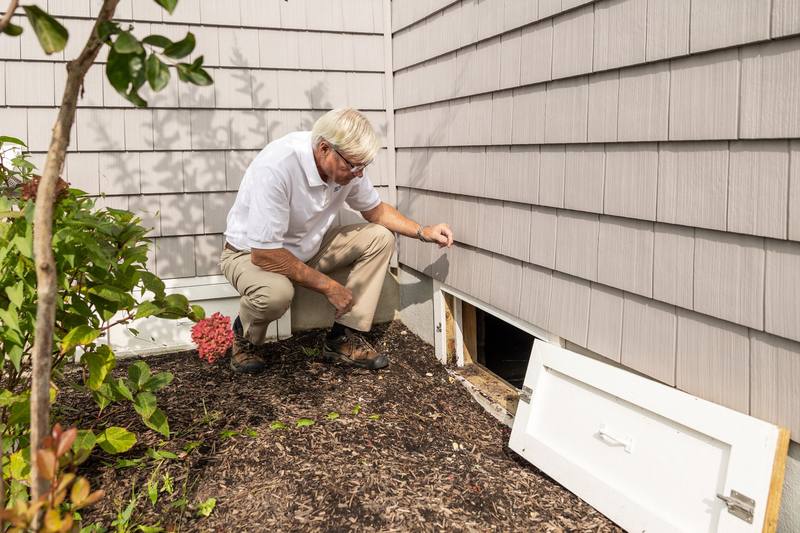
Crawl Space Insulation
Rim joists and crawl space walls sealed and insulated so floors stop feeling cold and damp.
Learn more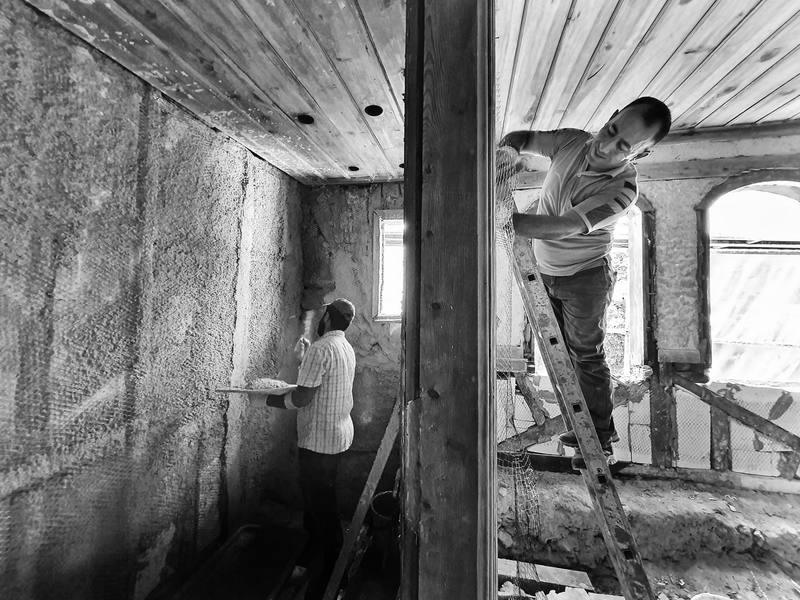
Wall Insulation
Exterior walls insulated through small drilled openings or during a remodel, patched and finished after.
Learn more
Commercial Spray Foam
Metal buildings, warehouses and shops foamed for temperature control and condensation.
Learn more
Radiant Barrier
Reflective barrier on the underside of the roof deck to cut attic heat gain in summer.
Learn more
Emergency Insulation Replacement
We remove and replace insulation that has been soaked, burned, smoke-damaged or fouled by pests, so the damage does not spread into the rest of your home.
Learn more
Get Started
Tell us about your attic or building
Call (281) 010-0001 during business hours or send a note through the form. Tell us what you have noticed, such as hot upstairs rooms, high summer bills or damaged insulation, and we will arrange an inspection and a written estimate.