How do I know if my attic is under-insulated?
If you can see the tops of your ceiling joists, if upstairs rooms stay hot after the AC has run all afternoon, or if the insulation is patchy, flattened or missing in spots, your attic is probably under-insulated.
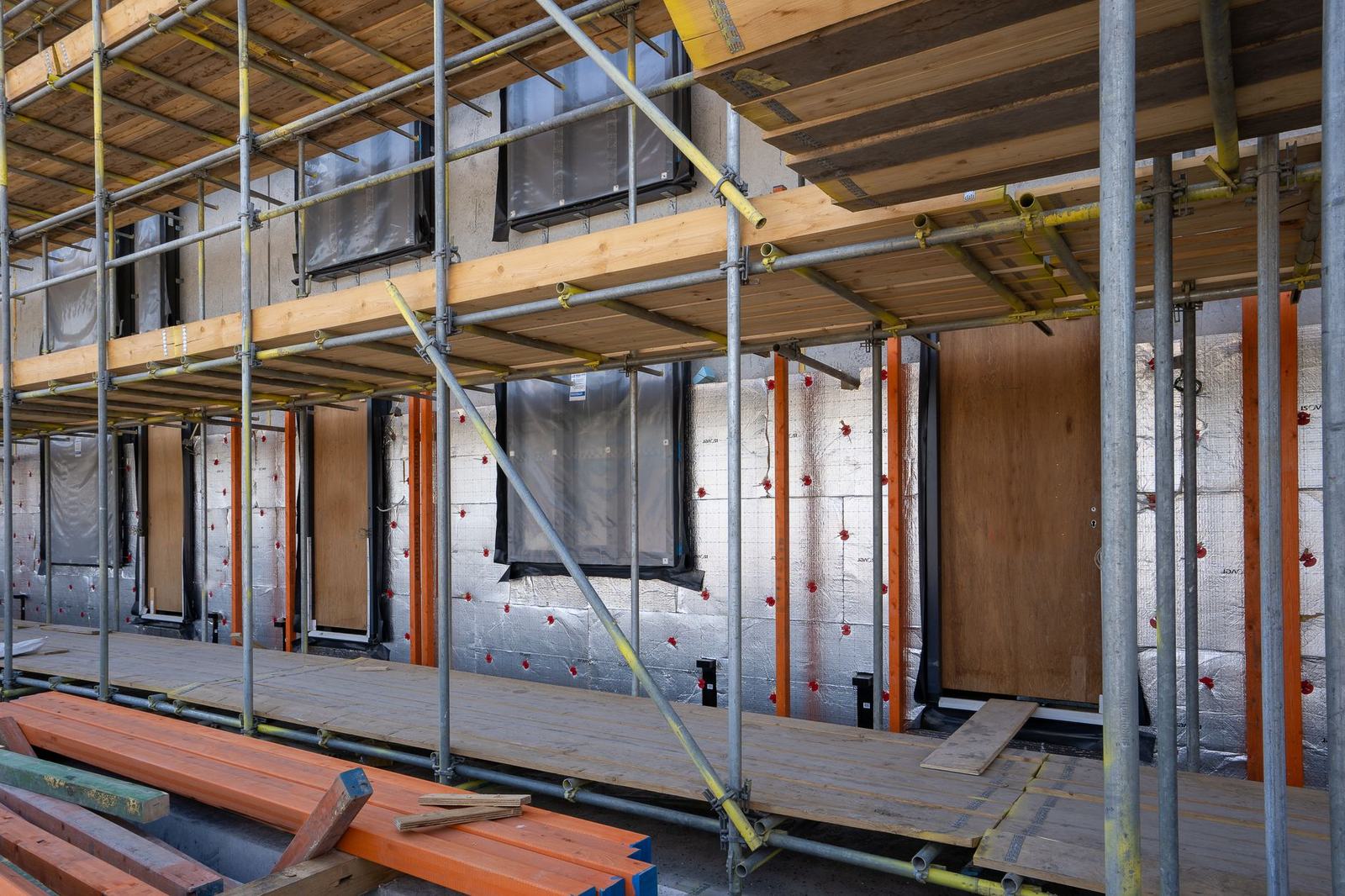
Most homeowners never go into the attic, so a thin or damaged layer of insulation can go unnoticed for years. In Sugar Land, the signs usually show up first as a second floor that won't cool down and an air conditioner that seems to run all day. Here is how to tell what you have, what you can check yourself, and when to call someone.
The short answer
An attic is under-insulated when there isn't enough material to slow the heat moving between the roof and your living space, or when the material that is there has stopped doing its job. The quickest visual test is the ceiling joists. These are the wooden boards running across the attic floor. If you can see their tops clearly, the insulation is no deeper than the joists, and that is usually less than a house in our climate needs.
Depth is only part of it, though. Insulation that is compressed, wet, shifted by wind from the soffit vents, or pulled aside by a cable installer can leave bare patches. A few bare spots let a lot of heat through, even when the rest of the attic looks fine. So the real question is two things: is there enough, and is it evenly in place?
What changes the answer on a real house
Every attic is a little different, and a few things shift what counts as enough.
The age of the house matters. Many homes in and around Sugar Land were built when builders put in less insulation than people tend to want now. Over the years, that original layer settles and gets thinner. Blown-in fiberglass and cellulose both lose some loft as they age.
What happens in the attic matters too. Here, it is common for the air handler and a lot of ductwork to sit in the attic. Every time someone goes up to change a filter or service the unit, they walk across the insulation and push it flat. You will often find a trampled path from the hatch to the equipment, with bare drywall showing on each side.
The layout of the house plays a part. Two-story homes with a bonus room over the garage often have knee walls and sloped ceilings that are hard to reach. Those areas are commonly under-insulated or have batts that have fallen away from the wall. That is why the room over the garage is so often the hottest room in the house.
Past problems leave marks. An old roof leak can soak insulation, which then mats down and stays flat after it dries. Rodents tunnel through it and can contaminate it. After a storm or a roof replacement, it is worth checking whether anything was disturbed.
What you can check yourself
You can learn a lot from inside the house and from a short look through the attic hatch.
From the living space, notice whether upstairs rooms run noticeably warmer than downstairs in summer. Feel the ceiling on a hot afternoon. A ceiling that is warm to the touch is a sign heat is coming straight through. Watch whether the AC runs for long stretches without catching up, and whether certain rooms never feel comfortable.
From the hatch, take a good flashlight and look across the attic floor without climbing in if you aren't comfortable walking on joists. Look for:
Joist tops showing above the insulation. Uneven depth, with low spots, valleys or bare drywall. A flattened path to the air handler or water heater. Dark, stained or clumped insulation, which can point to moisture or air leaks. Gaps around recessed lights, the attic hatch itself, plumbing vents and the chimney chase. Droppings or nesting material.
If you do go in, step only on joists or a walkway, never on the drywall between them. Go early in the morning. A Sugar Land attic in the afternoon gets dangerously hot, and that is not an exaggeration.
When it needs a professional
Some situations are worth a proper look rather than a guess.
If you find wet or stained insulation, the cause needs to be found first. Adding more on top of a moisture problem just hides it. If you see signs of rodents, the old material usually has to come out before anything new goes in. If your attic has knee walls, sloped ceilings or tight areas you can't reach, those are the spots most likely to be short, and they are also the hardest to check yourself.
A visit from us usually involves measuring depth in several places, checking the condition of what is there, looking at the soffit vents and air sealing around penetrations, and checking how the ductwork and air handler sit in the space. We will tell you plainly if your attic is fine as it is. Sometimes the problem is a few bare patches or a missing hatch cover, not the whole attic.
How this connects to the work we do
When an attic is short on insulation but otherwise in good shape, the usual fix is Blown-In Insulation added over what is already there. It fills gaps and low spots evenly and reaches into corners that batts can't.
When the old material is wet, contaminated or badly matted, Insulation Removal comes first, followed by fresh insulation on a clean attic floor. For bonus rooms, knee walls and attics where the ductwork and air handler sit in a very hot space, Spray Foam Insulation at the roof deck is sometimes the better choice, because it keeps the equipment inside a more moderate space. Some homeowners also add a Radiant Barrier to cut the heat coming off the roof decking in summer.
Which of these makes sense depends on what we find in your attic, not on a standard package. If you aren't sure what you have, request an estimate and we will come and look.
Related questions
Usually yes, if the existing insulation is dry, clean and free of pests. New blown-in material can go right over it. If the old layer is wet, moldy or contaminated by rodents, it should be removed first.
Heat rises, and the upstairs ceiling sits right under a hot attic. Thin or patchy insulation, poor air sealing and leaky ductwork in the attic all make the difference worse. Rooms over the garage are often the worst because of knee walls and sloped ceilings that are hard to insulate.
It can. Foot traffic compresses loose-fill insulation, and compressed insulation slows heat less well. That is why a flattened path to the air handler is one of the most common weak spots we see.
No. A radiant barrier reflects heat coming off the underside of the roof, while insulation slows heat moving through the attic floor. They do different jobs and are sometimes used together in hot climates.
For a typical attic that only needs topping up, the work is usually done in a single visit. Removal of old insulation or air sealing first adds time. We will tell you what to expect after we have seen the attic.
Services
How we can help in Sugar Land
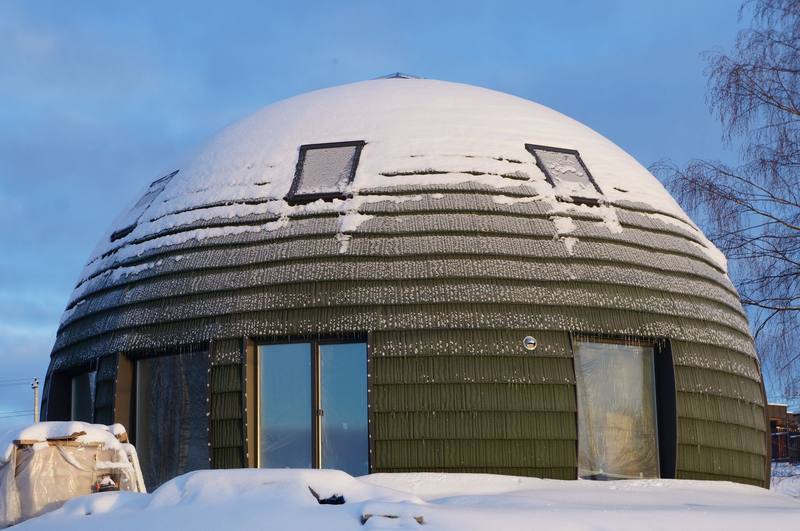
Spray Foam Insulation
Open and closed cell foam applied to attics, walls and rooflines to seal air leaks and insulate in one pass.
Learn more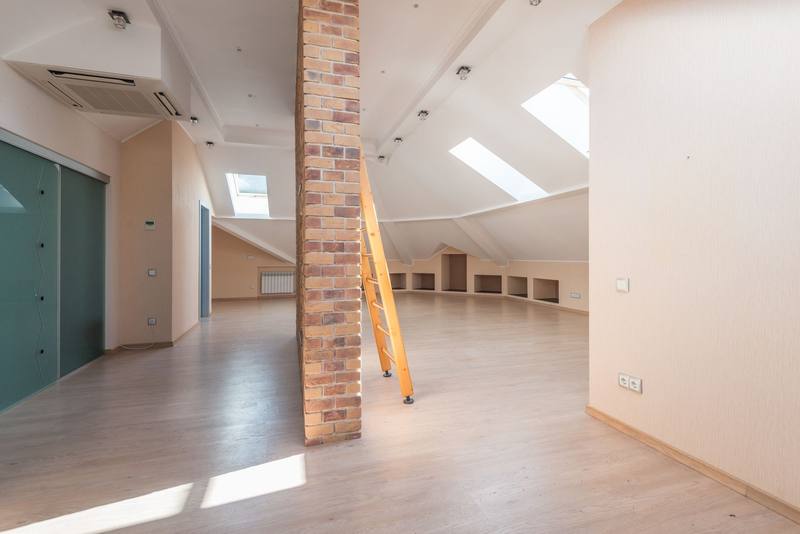
Attic Insulation
Attic floors and roof decks insulated to the depth the TX climate calls for, with ventilation checked first.
Learn more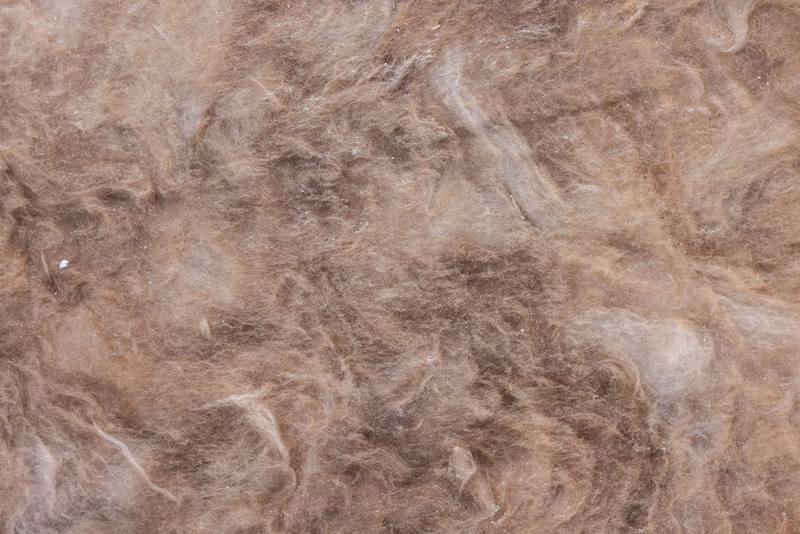
Blown-In Insulation
Cellulose or fiberglass blown to an even depth over existing attic floors and into closed wall cavities.
Learn more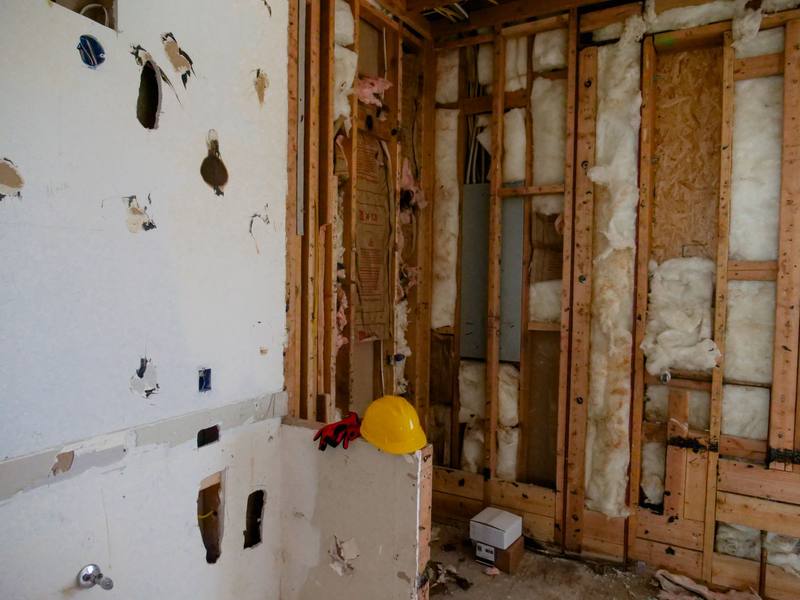
Insulation Removal
Old, wet, pest-damaged or compressed insulation vacuumed out before new material goes in.
Learn more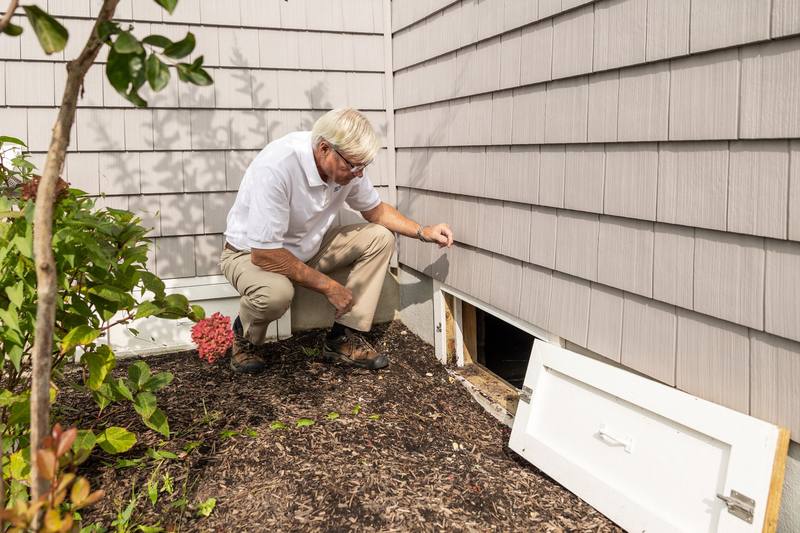
Crawl Space Insulation
Rim joists and crawl space walls sealed and insulated so floors stop feeling cold and damp.
Learn more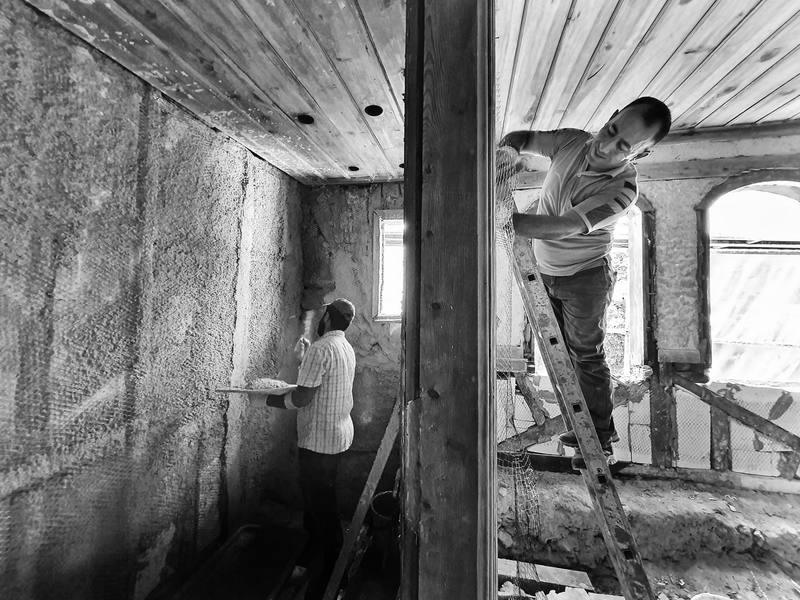
Wall Insulation
Exterior walls insulated through small drilled openings or during a remodel, patched and finished after.
Learn more
Commercial Spray Foam
Metal buildings, warehouses and shops foamed for temperature control and condensation.
Learn more
Radiant Barrier
Reflective barrier on the underside of the roof deck to cut attic heat gain in summer.
Learn more
Emergency Insulation Replacement
We remove and replace insulation that has been soaked, burned, smoke-damaged or fouled by pests, so the damage does not spread into the rest of your home.
Learn more
Get Started
Tell us about your attic or building
Call (281) 010-0001 during business hours or send a note through the form. Tell us what you have noticed, such as hot upstairs rooms, high summer bills or damaged insulation, and we will arrange an inspection and a written estimate.