How much attic insulation do I need in Houston?
For most Houston-area homes with insulation on the attic floor, aim for about R-38, or R-49 if you are adding insulation anyway and the attic has room for it.
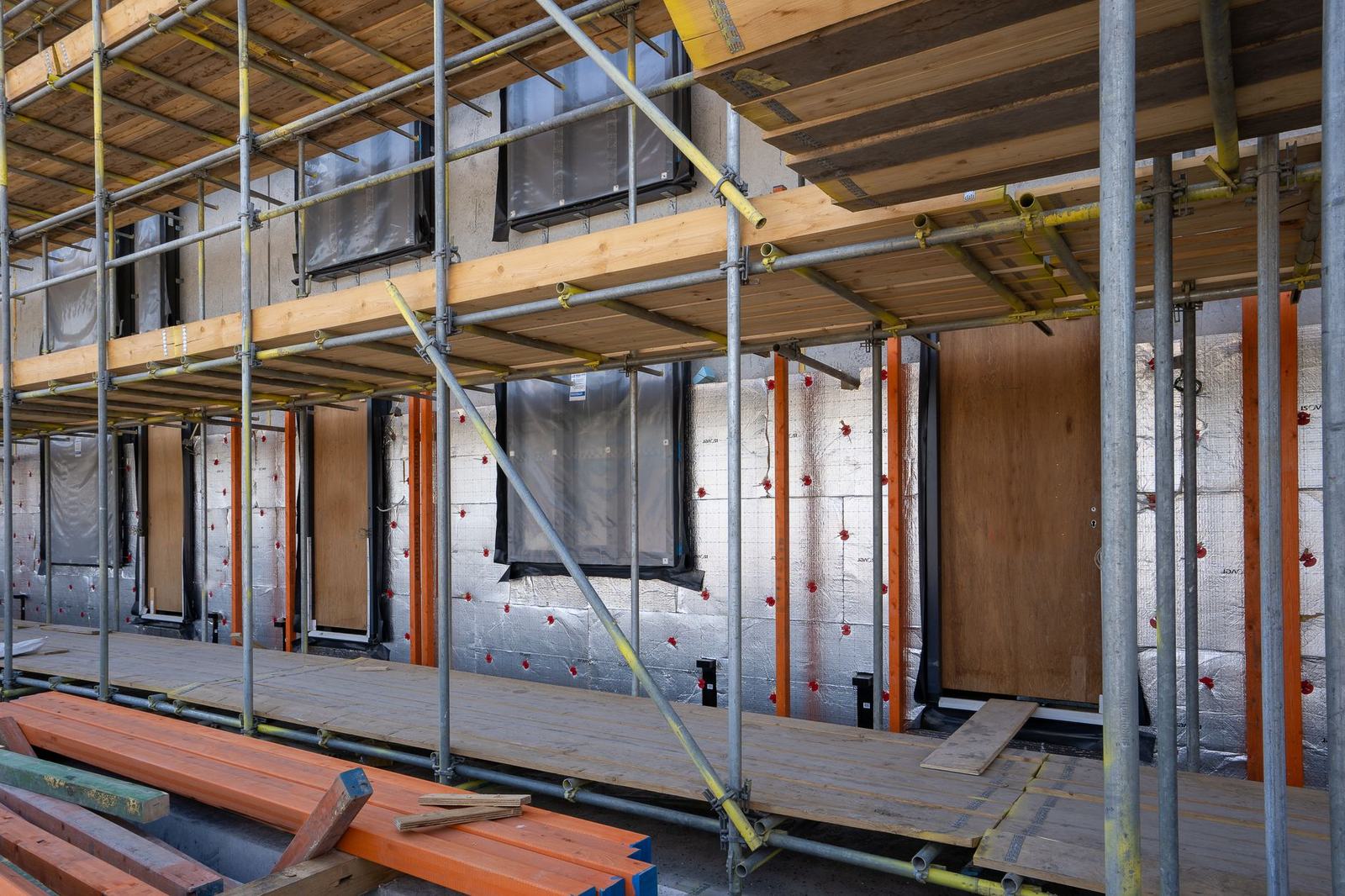
Attic insulation is one of the few parts of a house where adding more makes a real difference in the Houston heat. The right amount depends on where your insulation sits, what is already up there, and where your ductwork runs. Here is how we think about it when we look at attics in and around Sugar Land.
The short answer
If your attic is a standard vented attic with insulation lying on the floor between the ceiling joists, a good target for the Houston area is around R-38. If you are already paying to add insulation and the attic has the depth for it, going to R-49 is a sensible upgrade. R-value measures how well a material resists heat moving through it. A higher number means better resistance.
With loose-fill fiberglass or cellulose, R-38 usually works out to a little over a foot of settled material. The exact depth depends on the product, and every bag has a chart on the label showing how deep it needs to be for each R-value. Batts are rated on the packaging too.
There is one important exception. If your attic has spray foam on the underside of the roof deck, the foam is the insulation layer. The attic floor is usually left uninsulated, and the question becomes whether the foam is thick enough and whether it covers the whole roof deck, not how deep the floor insulation is.
Why the attic matters so much here
On a summer afternoon in Fort Bend County, the sun beats down on the roof for hours and the attic gets far hotter than the outdoor air. That heat pushes down through the ceiling into the rooms below. Insulation on the attic floor slows it down.
Many homes around Sugar Land also have the air handler and ductwork in the attic. That means the cold air your system produces travels through the hottest space in the house before it reaches a vent. Thin or patchy insulation does not touch those ducts directly, but it lets the house gain heat faster, so the system runs longer to keep up. Humidity adds to this. Warm, damp air leaking into the attic through gaps in the ceiling can carry moisture where you do not want it.
What changes the answer on a real house
The R-38 target is a starting point. A few things on an actual property can change what we would recommend.
The first is what is already there. Old insulation that has settled, compressed, or been walked on is worth less than its depth suggests. Insulation that has been wet, stained or packed with rodent nesting may need to come out before anything new goes in.
The second is air leaks. Gaps around recessed lights, plumbing stacks, wiring holes, the attic hatch and the tops of interior walls let conditioned air escape straight into the attic. Piling more insulation on top of an open gap helps less than you would hope. Sealing those gaps first is often the better first step.
The third is the shape of the attic. Low areas near the eaves can be hard to fill to full depth, and the soffit vents there need baffles so new insulation does not block airflow. Floored storage areas limit how much can go underneath them.
The last is the roof deck itself. Some homeowners decide to seal the attic with spray foam on the roof deck instead of adding to the floor. That keeps the ducts and air handler inside a cooler, conditioned space. It is a bigger job and it changes how the attic needs to be ventilated, so it is a decision to make carefully, not a default.
What you can check yourself
You can learn a lot from a short look in the attic. Go up in the morning, before the heat builds. Wear a dust mask, long sleeves and gloves, bring a good light, and step only on joists or decking. A foot through the ceiling drywall is an expensive mistake.
Take a tape measure and check the depth of the insulation in several spots, not just next to the hatch. If you can see the tops of the ceiling joists, you almost certainly have too little. If the depth varies a lot from one area to another, the coverage is uneven.
Look at the color and condition. Dark or dirty patches, especially around light fixtures and the edges of the ceiling, usually mean air has been leaking through and the insulation has been filtering dust out of it. Matted or stained areas can point to an old roof leak. Droppings, tunnels or shredded material mean rodents have been in there.
Check the attic hatch or pull-down stairs. A bare plywood hatch is a common gap in an otherwise insulated attic. Some attics also have a card stapled near the access showing what was installed and to what R-value, which is useful to find.
When it needs a professional
Some findings are a reason to stop and call someone. If you see grey-brown, pebbly loose fill that looks like gravel, it may be vermiculite, which can contain asbestos. Do not disturb it, and have it tested before any work is done. Heavy rodent contamination, mold on the roof deck, or insulation that is still damp are also jobs for a professional, because the cause has to be dealt with and the old material usually has to come out.
It also makes sense to bring someone in if you want air sealing done properly, if your ducts look damaged or disconnected, or if you are considering spray foam on the roof deck. Foam work needs the right equipment and protective gear, and a sealed attic has to be planned with your cooling system in mind.
How this fits with the work we do
Most of our Attic Insulation visits start the same way: we go up, measure the existing depth in several places, look for leaks, moisture and pest damage, and check the ducts and soffit vents. Then we tell you plainly whether a top-up of blown-in insulation will do the job, whether old material should come out first, or whether the attic is fine as it is.
If you are weighing a sealed attic, we can walk you through Spray Foam Insulation on the roof deck and how it compares with adding to the floor for your house. Either way, the aim is the same: enough insulation, installed evenly, over a ceiling that is sealed. If you would like us to take a look, request an estimate and we will set up a time.
Related questions
Usually yes, as long as the old insulation is dry, clean and free of pests. New loose fill can go right on top of existing fiberglass or cellulose. If the old material is wet, moldy or contaminated, it should be removed first.
Past a certain point, extra depth adds less benefit for the money. The bigger risk is installing it badly, for example blocking soffit vents or burying recessed lights that are not rated for contact with insulation. Getting to a sensible target and installing it properly matters more than going as deep as possible.
Blown-in insulation on the attic floor is the simpler and more common choice for an existing vented attic. Spray foam on the roof deck seals the attic and brings the ducts inside a cooler space, but it is a larger job and changes how the attic is ventilated. The right choice depends on your house, your ductwork and your plans for it.
No. A radiant barrier reflects some of the sun's heat coming off the roof, but it does not do the job of insulation on the attic floor. In a hot climate like ours the two can work together, but insulation depth still comes first.
Measure the depth in several spots and compare it with what the product needs for its rated R-value, which is printed on the bag or any card left in the attic. If you can see the tops of the joists, or the depth is much less than it should be, it has settled or was installed too thin.
Services
How we can help in Sugar Land
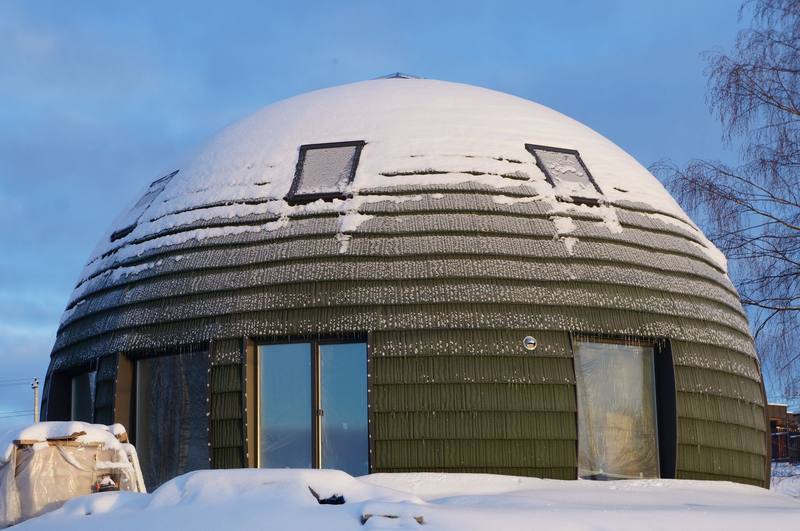
Spray Foam Insulation
Open and closed cell foam applied to attics, walls and rooflines to seal air leaks and insulate in one pass.
Learn more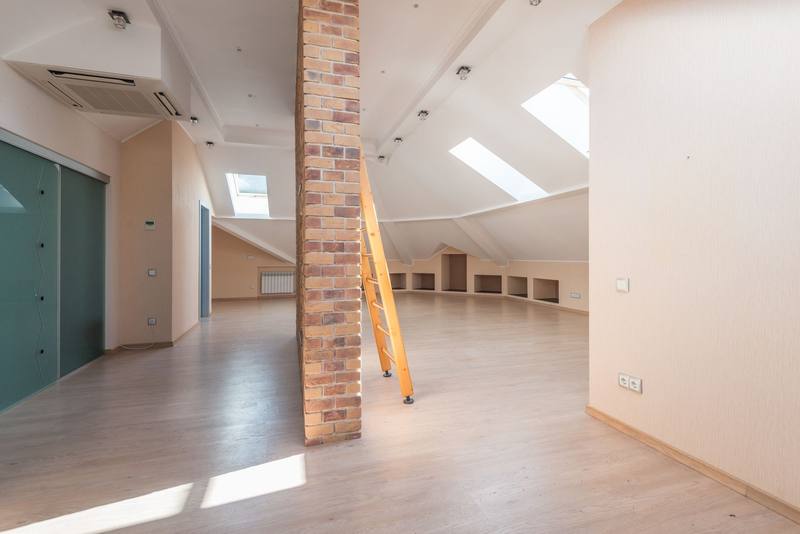
Attic Insulation
Attic floors and roof decks insulated to the depth the TX climate calls for, with ventilation checked first.
Learn more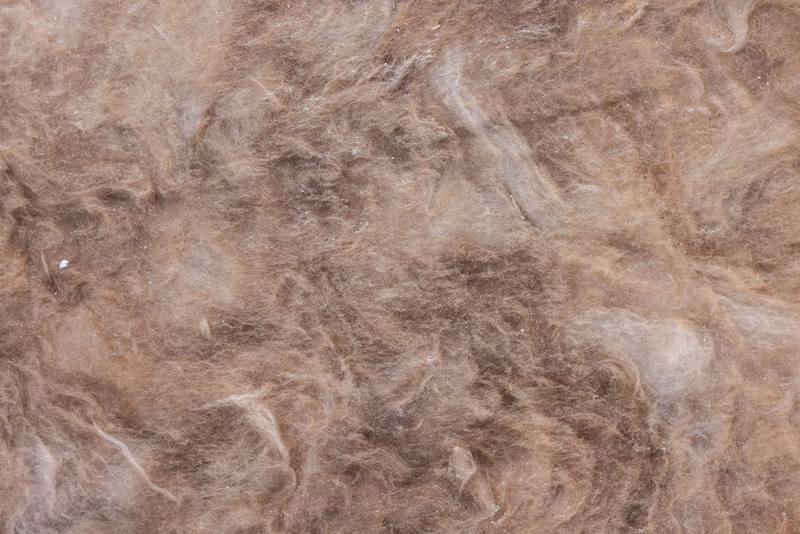
Blown-In Insulation
Cellulose or fiberglass blown to an even depth over existing attic floors and into closed wall cavities.
Learn more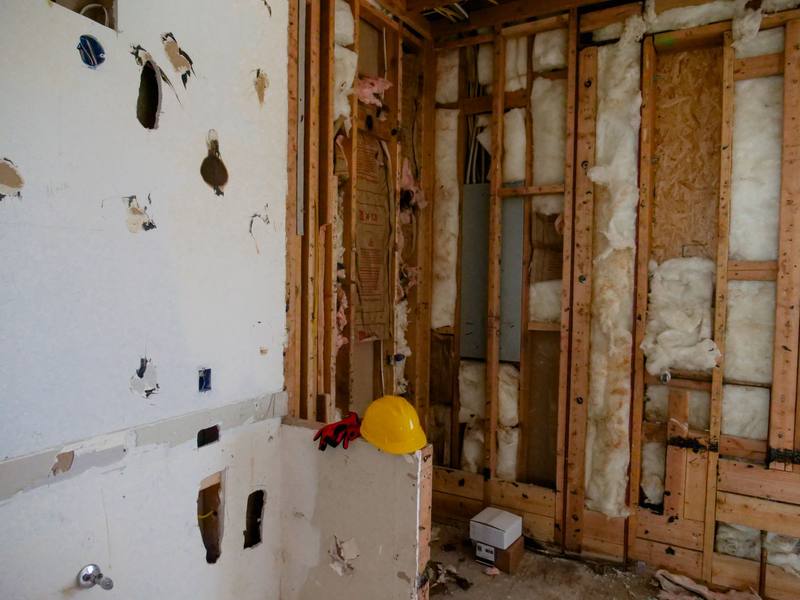
Insulation Removal
Old, wet, pest-damaged or compressed insulation vacuumed out before new material goes in.
Learn more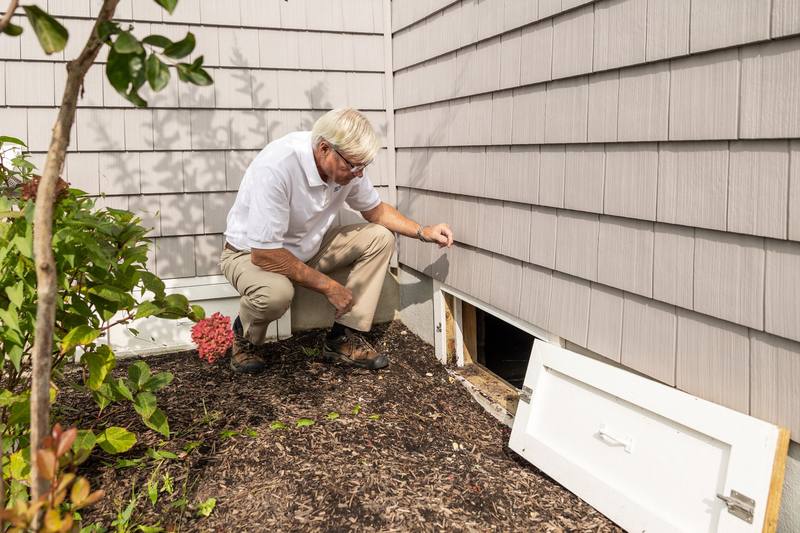
Crawl Space Insulation
Rim joists and crawl space walls sealed and insulated so floors stop feeling cold and damp.
Learn more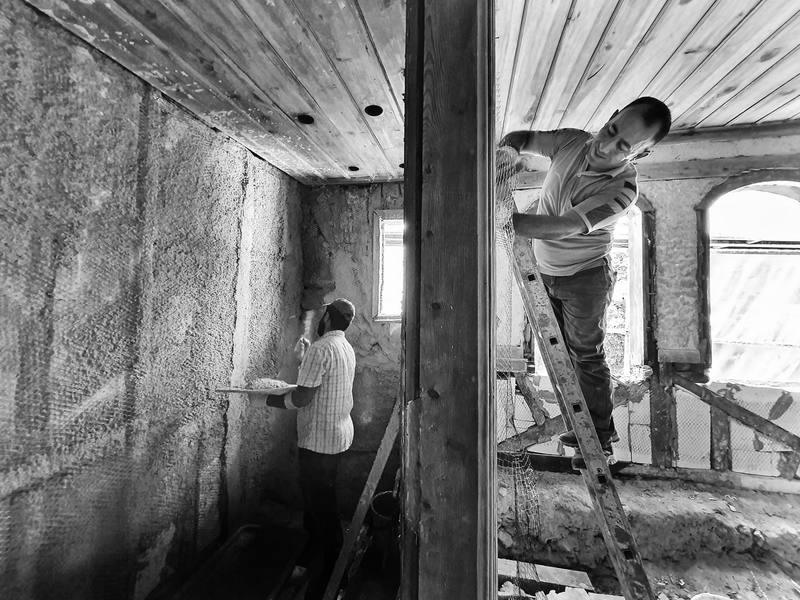
Wall Insulation
Exterior walls insulated through small drilled openings or during a remodel, patched and finished after.
Learn more
Commercial Spray Foam
Metal buildings, warehouses and shops foamed for temperature control and condensation.
Learn more
Radiant Barrier
Reflective barrier on the underside of the roof deck to cut attic heat gain in summer.
Learn more
Emergency Insulation Replacement
We remove and replace insulation that has been soaked, burned, smoke-damaged or fouled by pests, so the damage does not spread into the rest of your home.
Learn more
Get Started
Tell us about your attic or building
Call (281) 010-0001 during business hours or send a note through the form. Tell us what you have noticed, such as hot upstairs rooms, high summer bills or damaged insulation, and we will arrange an inspection and a written estimate.