Open cell or closed cell spray foam for a Texas attic?
For most Sugar Land attics, open cell foam sprayed on the underside of the roof deck is the better choice. Closed cell is better kept for metal roofs, low-slope sections and damp areas.
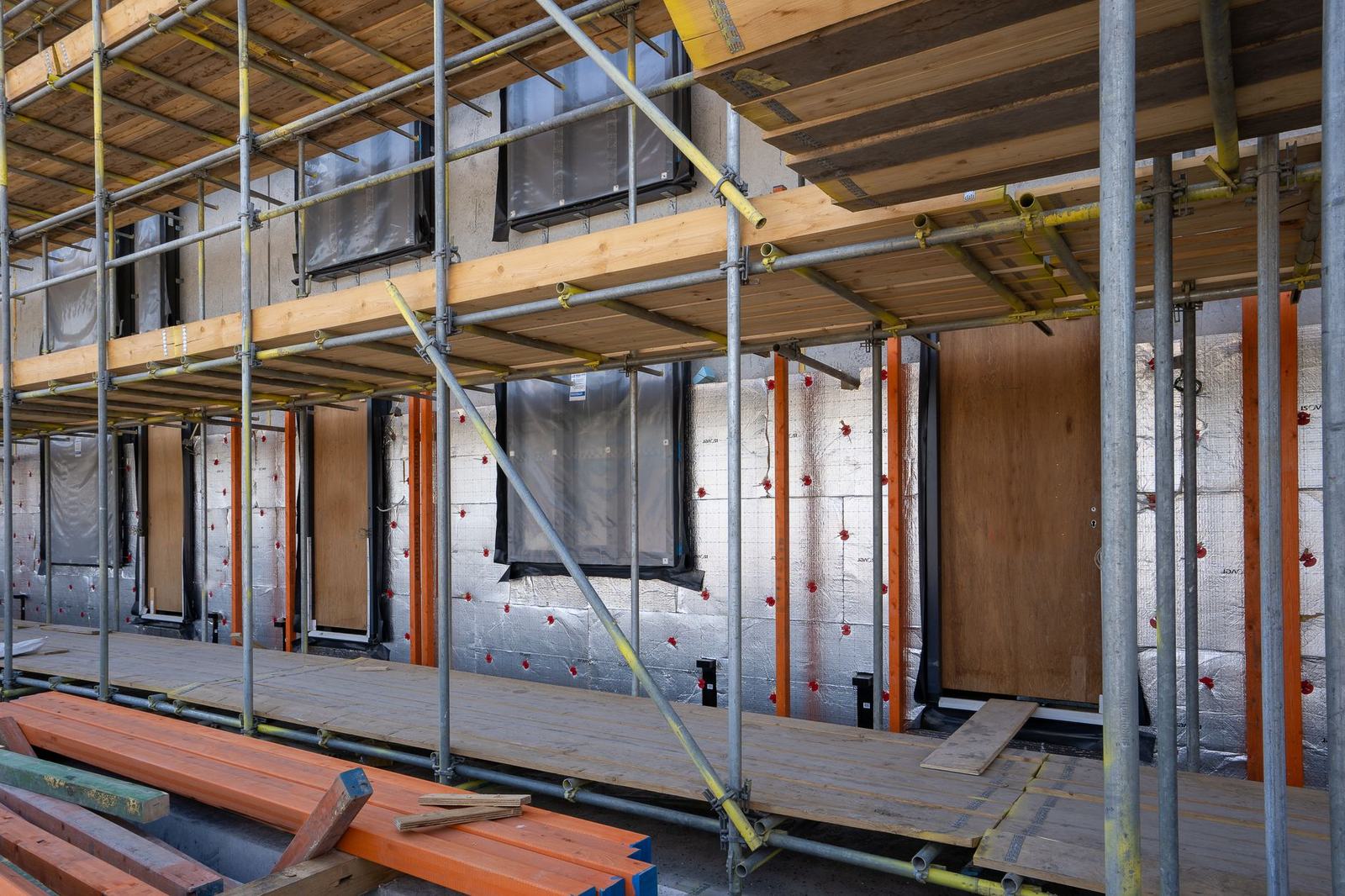
This is one of the most common questions we get from homeowners in Sugar Land and the towns around it. Both foams work, but they behave differently in a hot, humid attic, and the details of your house matter more than the product name. Here is how we think it through.
The plain answer
For most attics in this part of Texas, open cell spray foam applied to the underside of the roof deck is the right choice. It seals the attic against hot, humid outside air. It is soft enough to move with the roof framing as it heats and cools. It also lets water pass through slowly, so a roof leak shows up as a damp spot instead of staying trapped against the wood.
Both foams do the same basic job: they stop air moving through the roof, which is where most attic heat and humidity comes from. Closed cell is denser, resists more heat per inch and blocks water vapor almost completely. Open cell is lighter, fills more space for the same amount of material and lets vapor through. Most pitched roofs here have plenty of depth between the rafters, so the extra resistance per inch from closed cell is rarely what decides it.
Why open cell usually fits a Sugar Land house
Many homes around Sugar Land, Missouri City and Stafford have the furnace, air handler and ductwork in the attic. In a vented attic in August, that equipment sits in air much hotter than the air outside. When we foam the roof deck and close off the soffit and ridge vents, the attic becomes part of the conditioned space. The ducts then run through air close to room temperature, and small leaks at duct joints spill cooled air inside the house instead of into a hot attic.
Open cell suits this kind of job. It can be sprayed to the thickness the roof needs, it fills around the awkward framing in hip roofs and rooms over garages, and it adds little weight. Because it lets vapor through, the roof deck can dry a little toward the inside, which matters in a humid climate where some moisture always gets in.
Then there are leaks. Summer storms are hard on shingle roofs here. With open cell, water that gets past a flashing seam or a lifted shingle usually soaks through and shows as a wet patch, so a roofer can find it. Closed cell can hold that water against the decking, where nobody sees it until the wood goes soft.
When closed cell is the better call
There are real cases where we recommend closed cell, or a mix of both. Low-slope or flat roof sections often have very little depth between the deck and the ceiling, and closed cell gets the most resistance into the least space. Metal buildings, shops and detached garages tend to get condensation on the underside of the metal panels, and closed cell stops that moisture at the surface. That is where most of our Commercial Spray Foam work goes. Rim joists, crawl space walls and other spots near the ground where liquid water is possible are also better served by closed cell.
Some homeowners ask for closed cell because they have heard it stiffens the roof. It does bond firmly to the deck and framing, but we would not choose it for that reason alone on a pitched house roof. On most houses, the stiffness isn't worth the risk of a leak going unnoticed.
What you can check yourself
A short trip into the attic with a flashlight will tell you a lot. Go in the morning while it is cooler, and step only on joists or decking.
First, see where the HVAC equipment and ducts are. If they are in the attic, foaming the roof deck brings the most benefit. Next, look for any gas appliance up there, such as a furnace or water heater. If it draws combustion air from the attic, sealing the attic changes how it breathes, and that has to be handled as part of the job.
Check the underside of the roof decking for stains, dark rings, rusty nail tips or soft spots. These point to leaks that should be fixed before any foam goes on. Think about the age of your roof too. If it is near the end of its life, replace it first and insulate after. Look for bath fans or a dryer vent that end in the attic instead of running outside. Finally, note what insulation is on the attic floor now and whether it is wet, flattened or fouled by pests.
When it needs a professional
Picking the foam is the easy part. The harder parts are the ones you can't see from the attic hatch. An unvented attic has to meet local code, which sets how thick the foam must be and how the vents are closed off. Gas appliances need a proper plan for combustion air. Once the attic stops loading heat into the house, the cooling system may need a check, because an oversized unit in a tighter house can run short cycles and leave the air feeling damp.
Spray foam is also a chemical product mixed on site. It has to go on at the right temperature and thickness, by a crew with proper protective equipment, and the house should be empty while we spray and for as long afterward as the manufacturer specifies.
On a visit, we go into the attic, look at the roof deck, the equipment and the existing insulation, and then talk through what suits the house. Sometimes the answer is a vented attic with more blown-in insulation and a radiant barrier, especially when the ducts are not in the attic.
How this fits with other work
Most attic foam jobs start with Insulation Removal. Once the roof deck is sealed, the old batts or loose fill on the attic floor stop doing much, and leaving them can trap dust and pests. We take that out and clean up first, then spray the deck. If you would rather keep a vented attic, our Attic Insulation work covers topping up or replacing what is on the floor. Either way, the right choice depends on what is actually in your attic.
Related questions
It shouldn't if the cooling system is sized and set up correctly. A sealed attic is part of the conditioned space, so it shares the house air. If the system is oversized, it may cool quickly without running long enough to pull moisture out, and that is worth checking with your HVAC contractor.
We don't spray over it. For a sealed attic the foam goes on the underside of the roof deck, and the old floor insulation is usually removed first. If you keep a vented attic, the floor insulation stays and can be topped up instead.
It can. Some shingle manufacturers and insurers have conditions about insulation applied directly under the roof deck. Read your warranty and ask your insurer before the work is booked, and we can show you exactly what we plan to install.
Often, yes, especially if it has a metal roof or metal walls. Closed cell stops condensation from forming on the back of the panels and holds up better where moisture is likely. For a wood-framed garage that is part of the house, open cell may still be the better fit.
You need to be out while we spray and for the re-entry time the foam manufacturer sets afterward. We'll give you the exact timing for the product we use before the job is scheduled, so you can plan around it.
Services
How we can help in Sugar Land
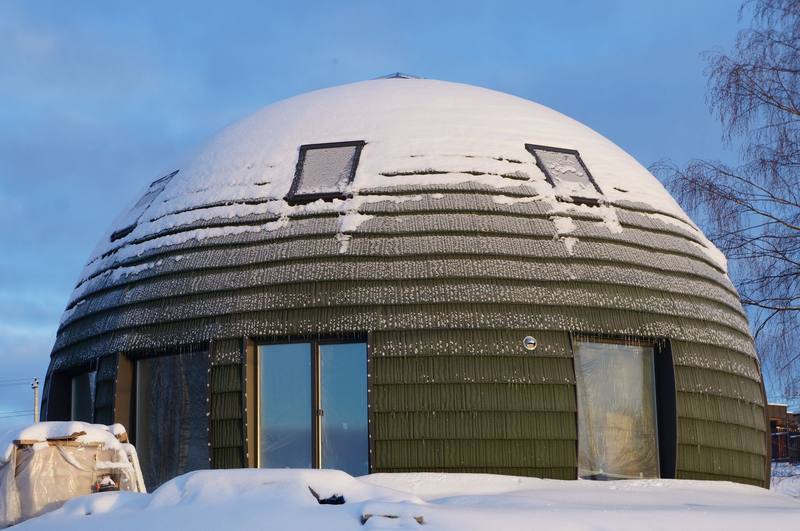
Spray Foam Insulation
Open and closed cell foam applied to attics, walls and rooflines to seal air leaks and insulate in one pass.
Learn more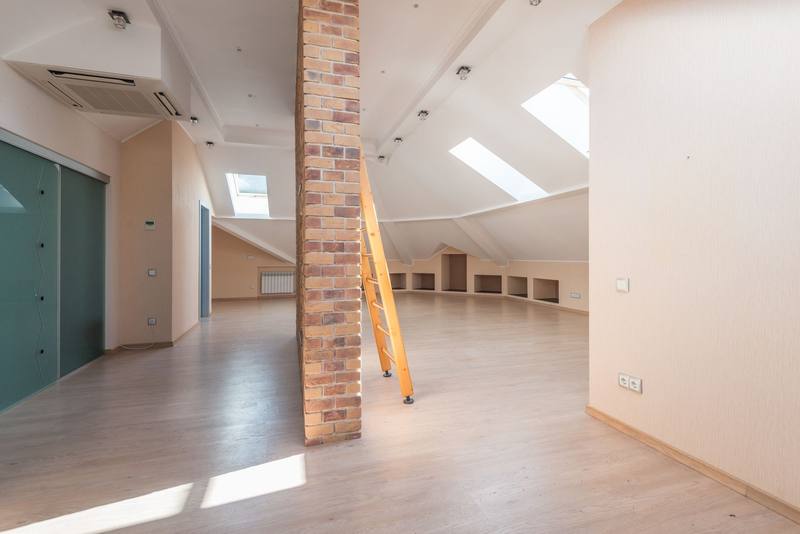
Attic Insulation
Attic floors and roof decks insulated to the depth the TX climate calls for, with ventilation checked first.
Learn more
Blown-In Insulation
Cellulose or fiberglass blown to an even depth over existing attic floors and into closed wall cavities.
Learn more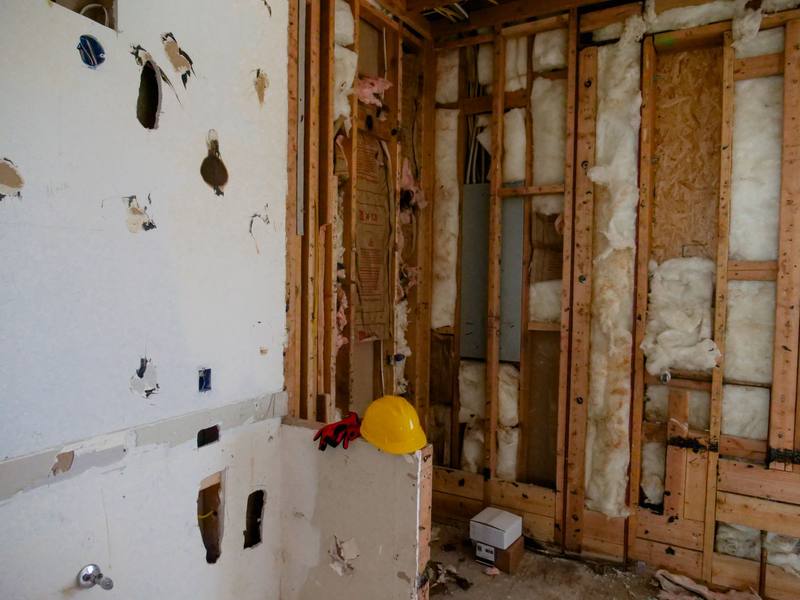
Insulation Removal
Old, wet, pest-damaged or compressed insulation vacuumed out before new material goes in.
Learn more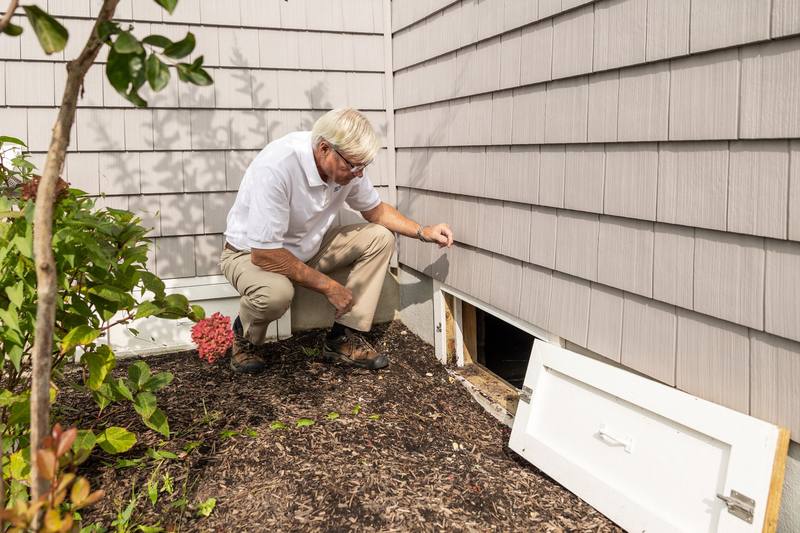
Crawl Space Insulation
Rim joists and crawl space walls sealed and insulated so floors stop feeling cold and damp.
Learn more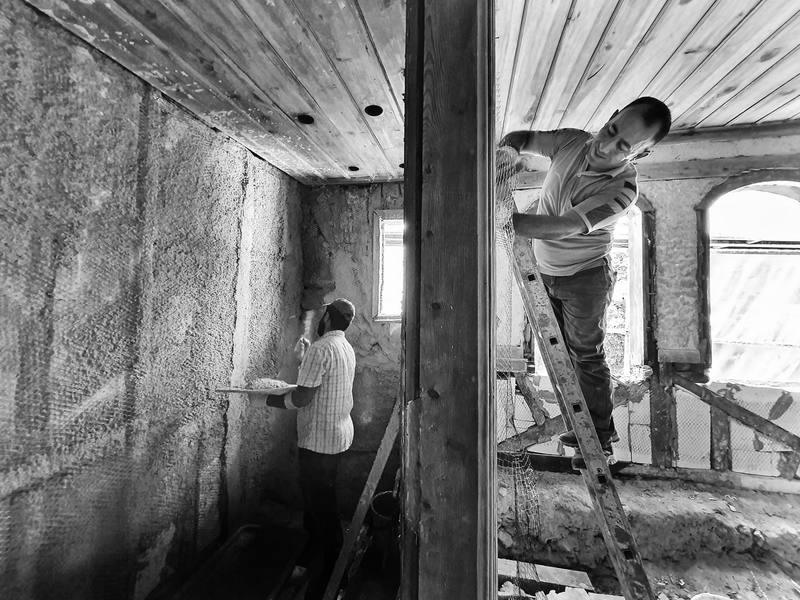
Wall Insulation
Exterior walls insulated through small drilled openings or during a remodel, patched and finished after.
Learn more
Commercial Spray Foam
Metal buildings, warehouses and shops foamed for temperature control and condensation.
Learn more
Radiant Barrier
Reflective barrier on the underside of the roof deck to cut attic heat gain in summer.
Learn more
Emergency Insulation Replacement
We remove and replace insulation that has been soaked, burned, smoke-damaged or fouled by pests, so the damage does not spread into the rest of your home.
Learn more
Get Started
Tell us about your attic or building
Call (281) 010-0001 during business hours or send a note through the form. Tell us what you have noticed, such as hot upstairs rooms, high summer bills or damaged insulation, and we will arrange an inspection and a written estimate.