Should I remove old attic insulation before adding new?
Usually not: if the old insulation is dry, clean and lying evenly, you can add new insulation on top of it, but it should come out when it is wet, moldy, contaminated by pests or smoke, or when you are switching to spray foam on the roof deck.
Many homeowners in Sugar Land ask this when an upstairs bedroom stays warm all summer or the electric bill climbs in August. The honest answer depends on what is already up there and what you plan to add. Here is how we think it through before recommending anything.
The short answer
In most attics, you do not need to remove old insulation before adding more. If what is there now is dry, has no smell, is not full of droppings and lies fairly evenly across the attic floor, new blown-in insulation can go right over it. The old layer still does some work, and leaving it in place keeps the job simpler.
Removal makes sense when the old material has stopped doing its job or has become a problem in its own right. Insulation that got soaked by a roof leak, packed down by years of foot traffic, fouled by rodents or stained by smoke is not worth keeping. Covering it up hides the problem without fixing it, and some of those problems, like mold or animal waste, keep getting worse under a fresh layer.
Removal also matters if you are changing how the attic is insulated, not just adding depth. That is the case most people do not expect, and we cover it below.
What changes the answer on a real property
The first question is moisture. Around Sugar Land, the air handler and ductwork usually sit in the attic, and an overflowing condensate pan or a sweating duct can wet the insulation below it for months before anyone notices. Roof leaks after a strong Gulf storm do the same. Wet insulation flattens, holds water against the drywall and can grow mold. Once that happens, it should come out.
The second is pests. Rats and squirrels get into attics across the Houston area, often through gaps at the roofline or around vents. They tunnel through loose insulation, nest in it and leave droppings and urine behind. Even after the animals are gone and the entry points are sealed, the contaminated insulation keeps the smell and the health concern. That material should be removed before anything new goes in.
The third is the type of insulation you plan to add. If you are adding more blown-in fiberglass or cellulose on the attic floor, clean old insulation can stay. If you are moving to spray foam on the underside of the roof deck, the attic becomes part of the conditioned space of the house. In that setup, the old insulation on the attic floor is usually taken out, because it now sits between two areas that are meant to be at the same temperature, and it can trap dust and moisture.
The age of the house matters too. Many homes here were built in the master-planned neighbourhoods of the 1980s, 1990s and 2000s, so the original insulation is often loose-fill fiberglass that has settled over time. Older homes in the wider area can have materials worth testing before anyone disturbs them, such as vermiculite, which is pebbly and grey-brown, and can contain asbestos.
What you can check yourself
You can learn a lot from a careful look through the attic hatch with a good flashlight. Do this early in the morning, before the attic heats up, and do not walk on the insulation unless you are on the joists or a walkway. Ceiling drywall will not hold your weight.
Things worth looking for:
- Dark patches, stains or clumped areas, especially under the air handler, around vents and near roof valleys. These usually point to past or current water.
- Droppings, shredded material, trails or tunnels through the insulation, and a sharp ammonia smell.
- Uneven coverage, where you can see the tops of the ceiling joists in some areas and not others. This is common near the hatch and around the edges.
- Black or grey streaks on the insulation near ceiling lights or wall tops. These often mean air is leaking up from the house and the insulation is filtering dust out of it.
- Any pebbly, grey-brown loose material that looks different from fiberglass or cellulose. Leave it alone and have it tested.
When it needs a professional
Removing attic insulation is dusty, hot and harder than it looks. In a Sugar Land summer, an attic gets dangerously hot by midday, so the work has to be planned around the heat. Pulling out contaminated insulation by hand with bags also spreads dust and droppings into the living space if the work is not contained. A proper removal uses a high-powered vacuum that runs the material out to a collection bag outside the house.
Call someone in if you find signs of pests, mold or water damage, if you suspect vermiculite, or if you are planning a switch to spray foam. In each of those cases, the order of work matters. Leaks get fixed and entry points get sealed first, then old material comes out, then the attic floor or roof deck gets prepared, then the new insulation goes in. Skipping a step tends to bring the problem back.
On a visit, we look at the attic from the hatch and from the joists, check the condition and depth of what is there, look at the air handler and ducts, and look for gaps where air is moving up from the house. Then we tell you plainly whether the old insulation can stay.
How removal and new insulation fit together
When the old insulation can stay, the job is usually straightforward Attic Insulation work: seal the obvious air leaks at the attic floor, then add blown-in insulation on top to bring the depth up evenly across the whole space. Sealing first matters, because insulation slows heat but does little to stop air pushing through gaps around light fixtures, wiring holes and the attic hatch.
When it cannot stay, Insulation Removal comes first. Once the attic is cleared, it is the easiest time to see and seal every gap in the ceiling, check the ducts and repair anything the old insulation was hiding. Then you choose what goes back: new blown-in insulation on the attic floor, or spray foam on the roof deck if you want the ducts and air handler inside the conditioned space.
Either way, the decision should come from what is actually in your attic, not from a general rule. If you are not sure what you are looking at, a short visit will usually answer it.
Related questions
Yes, as long as the batts are dry, clean and not compressed into a thin mat. Loose-fill fiberglass or cellulose can be blown over them to add depth. If the batts are damp, stained or full of droppings, they should come out first.
Usually, yes. With foam on the roof deck, the attic becomes part of the conditioned space, so insulation on the attic floor no longer serves a purpose and can trap dust and moisture. We look at each attic before recommending it, but removal is the normal first step.
We do not recommend it. Droppings and urine keep the odour and the health concern in the attic, and new insulation laid on top hides the problem. The entry points should be sealed, the contaminated material removed and the area cleaned before new insulation goes in.
Look for flattened, clumped or discoloured patches, especially under the air handler and near roof valleys. Stains on the ceiling below are another sign. If you find damp insulation, fix the source of the water before deciding what to do with the insulation.
Small amounts of clean insulation can be bagged by hand, but it is slow, very hot work in a Sugar Land attic and spreads a lot of dust. Contaminated material, large areas or anything that might be vermiculite is better left to a crew with vacuum equipment and proper containment.
Services
How we can help in Sugar Land
Spray Foam Insulation
Open and closed cell foam applied to attics, walls and rooflines to seal air leaks and insulate in one pass.
Learn more
Attic Insulation
Attic floors and roof decks insulated to the depth the TX climate calls for, with ventilation checked first.
Learn more
Blown-In Insulation
Cellulose or fiberglass blown to an even depth over existing attic floors and into closed wall cavities.
Learn more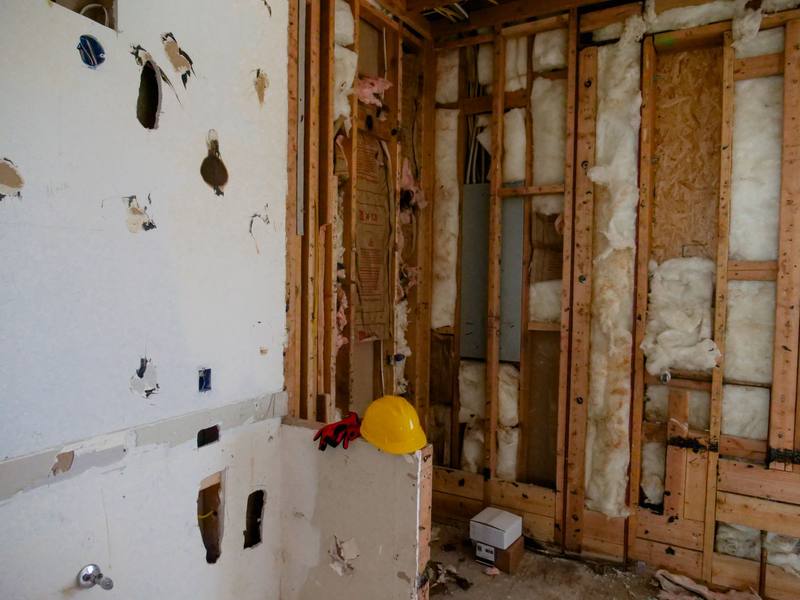
Insulation Removal
Old, wet, pest-damaged or compressed insulation vacuumed out before new material goes in.
Learn more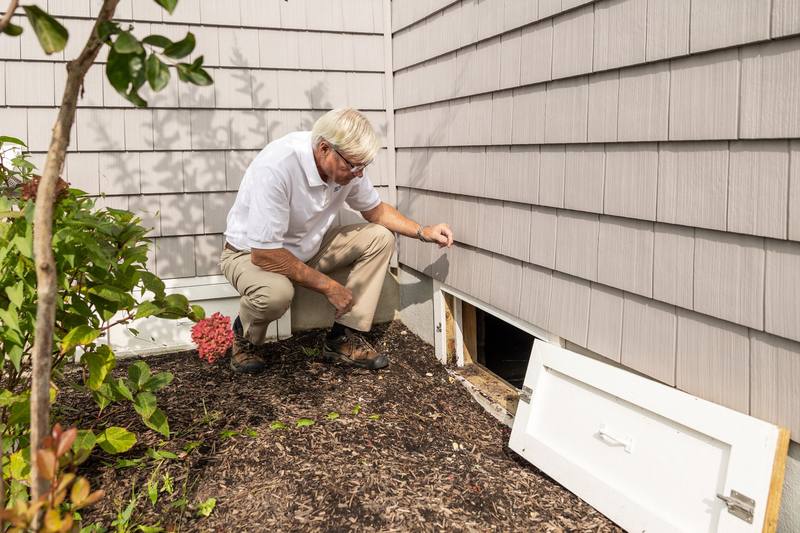
Crawl Space Insulation
Rim joists and crawl space walls sealed and insulated so floors stop feeling cold and damp.
Learn more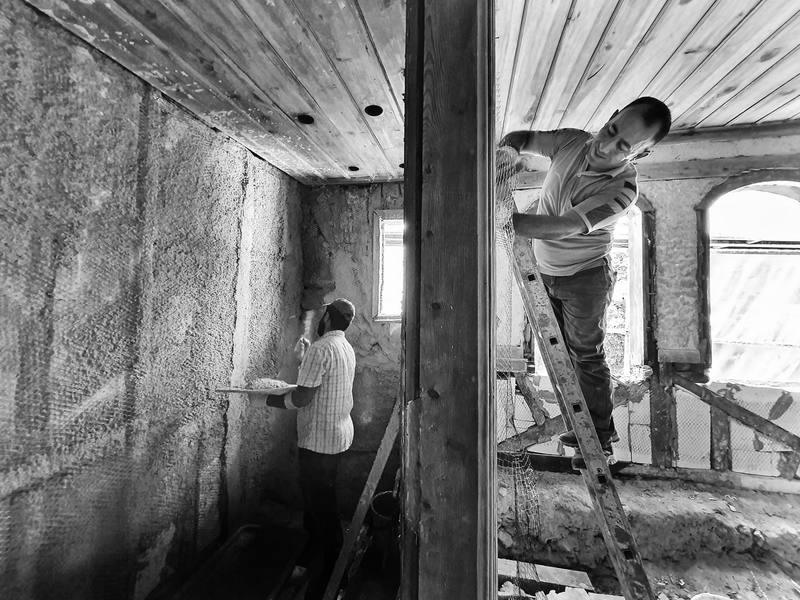
Wall Insulation
Exterior walls insulated through small drilled openings or during a remodel, patched and finished after.
Learn more
Commercial Spray Foam
Metal buildings, warehouses and shops foamed for temperature control and condensation.
Learn more
Radiant Barrier
Reflective barrier on the underside of the roof deck to cut attic heat gain in summer.
Learn more
Emergency Insulation Replacement
We remove and replace insulation that has been soaked, burned, smoke-damaged or fouled by pests, so the damage does not spread into the rest of your home.
Learn more
Get Started
Tell us about your attic or building
Call (281) 010-0001 during business hours or send a note through the form. Tell us what you have noticed, such as hot upstairs rooms, high summer bills or damaged insulation, and we will arrange an inspection and a written estimate.