What spray foam can you use in cold weather?
Use a foam labelled for low-temperature or winter use, keep the cans warm before you spray, and only spray onto a surface that is as warm and dry as the label asks for.
Spray foam is a chemical reaction, and cold slows that reaction down. In Sugar Land, real cold only comes a few times a year, but a chilly morning in an unheated attic, garage or crawl space can still be colder than most standard foams will accept. Here is how to pick the right product and when to leave the job to someone else.
The short answer
For small jobs, like sealing gaps around pipes, wires and window frames, look for a can of one-part foam sealant that says on the label it is made for low temperatures or year-round use. Standard cans list a minimum temperature for the air, the surface and the can itself, and the cold-rated versions accept a lower one. For larger areas, such as an attic roof deck or crawl space walls, professional two-part spray foam is used, and installers also choose a cold-weather blend when it is needed. Whatever the product, the label is the rule. If the label gives a temperature range and your space falls outside it, the foam will not cure properly, however carefully you spray it.
Why cold causes trouble
Foam expands and hardens through a chemical reaction, and one-part foams also need moisture in the air to cure. When the can, the air or the surface is too cold, a few things tend to go wrong. The foam comes out thin and runny instead of rising. It may sag out of a gap before it sets. It can shrink as it cures, leaving a crack along the edge that lets air straight back through. With two-part foam, a cold substrate can cause poor bonding, so the foam peels away from the wood or masonry later. A cold can also loses pressure, so you get a weak, sputtering spray and waste half the product. None of these problems are always obvious on the day. A bead that looked fine in the morning can be pulled back from the framing a week later.
What changes the answer on a real property
The temperature that matters is not the forecast. It is the temperature of the exact surface you are spraying. In a Sugar Land home, that varies a lot from one part of the house to another. An attic can be much colder than the living space on a winter morning and much hotter by the afternoon. A raised slab or pier-and-beam crawl space, more common in older homes in the area, stays cool and damp. Exterior brick and siding hold the cold overnight. Humidity matters too. Our air is usually humid, which helps one-part foam cure, but condensation on a cold pipe or a damp sill plate will stop foam from sticking. Wood that is wet from a leak or a recent rain will not take foam well in any weather. The size of the gap also changes things. Cans are made for cracks and small openings. Large cavities, long seams or a whole wall need a different product and a different approach.
What you can check yourself
Start with the label. Find the minimum and maximum temperatures for application and for the can, and note whether it says anything about humidity or surface moisture. Then check the actual spot. Touch the surface with the back of your hand. If it feels cold or damp, wait. An inexpensive infrared thermometer gives you a real reading in a second. Keep the can indoors at room temperature for a day before you use it, and do not warm it with a heater or a flame. Pick the warmest part of the day, usually early afternoon, for work in an attic or garage. After you spray, look at the bead an hour later and again the next day. It should be firm, full and tight to both sides of the gap. If it has shrunk away from an edge, cut it back and redo it when conditions are better. Also look at why the gap matters. A draft around a plumbing hole under the sink is a good DIY fix. A cold floor over a crawl space or a hot upstairs bedroom is usually a bigger problem than a can will solve.
When it needs a professional
Call for help when the job is larger than sealing a few gaps. Spraying a roof deck, an attic floor, crawl space walls or open wall cavities calls for two-part foam, heated hoses, a proportioning rig, and protective gear including a supplied-air respirator. The foam has to go on at the right thickness in passes, and the area has to stay ventilated and unoccupied while it cures. Getting the temperature wrong on a large area is costly to undo, because failed foam often has to be cut out by hand. You should also bring someone in if you see signs that the space has a moisture problem: dark staining on the roof deck, a musty smell in the crawl space, or wet insulation. Foam sprayed over a hidden leak can trap water against the wood. On a visit, we check the surface and air temperature, look for moisture, confirm what is already in place, and tell you whether it makes sense to spray now or wait for a better day.
How this relates to our work
Most of the cold-weather questions we hear in Sugar Land come up during Spray Foam Insulation and Crawl Space Insulation jobs, because those are the spaces that run coldest in winter. We plan the work around the conditions, choose a product that suits the temperature on the day, and check the surfaces before we start rather than relying on the weather report. If old insulation in a crawl space is wet or falling down, it usually needs to come out first so the new material can bond to clean, dry framing. If you are not sure whether your project is a quick DIY seal or a job for a crew, call us or request an estimate and we will tell you honestly which it is.
Related questions
Only if the air, the surface and the can are all inside the temperature range printed on the label. If any of them are colder, the foam may not expand fully and can shrink or pull away as it cures. Use a can labelled for low temperatures, or wait for a warmer part of the day.
Bring it indoors and let it sit at room temperature for several hours, ideally overnight. Do not put it near a heater, in hot water or near any flame, because the can is pressurized and the contents are flammable. A can at room temperature sprays more evenly and gives a better bead.
Yes. One-part foam needs some moisture in the air to cure, so normal humidity helps. The problem is condensation on a cold surface, such as a sweating pipe or a damp sill plate, which stops the foam from bonding. Wipe the surface dry and make sure it is not still cold before you spray.
Yes, in most cases. Installers check the surface temperature and moisture, choose a foam suited to the conditions, and may wait for a warmer window in the day. On the rare very cold days, it is usually better to reschedule than to spray foam that will not bond properly.
Often it is, especially in older homes on pier-and-beam foundations, where cold floors in winter and damp air in summer are common complaints. The right approach depends on how wet the crawl space is and what insulation is already there. A visit is the simplest way to find out.
Services
How we can help in Sugar Land
Spray Foam Insulation
Open and closed cell foam applied to attics, walls and rooflines to seal air leaks and insulate in one pass.
Learn more
Attic Insulation
Attic floors and roof decks insulated to the depth the TX climate calls for, with ventilation checked first.
Learn more
Blown-In Insulation
Cellulose or fiberglass blown to an even depth over existing attic floors and into closed wall cavities.
Learn more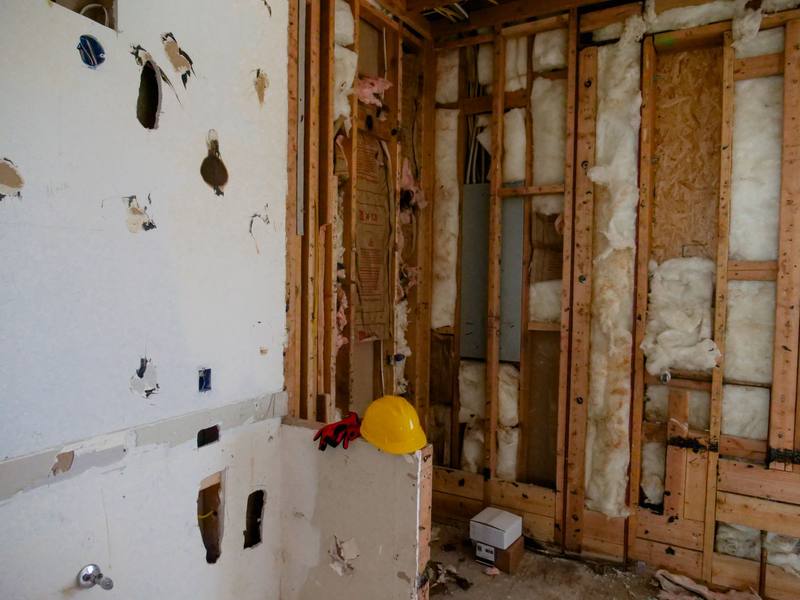
Insulation Removal
Old, wet, pest-damaged or compressed insulation vacuumed out before new material goes in.
Learn more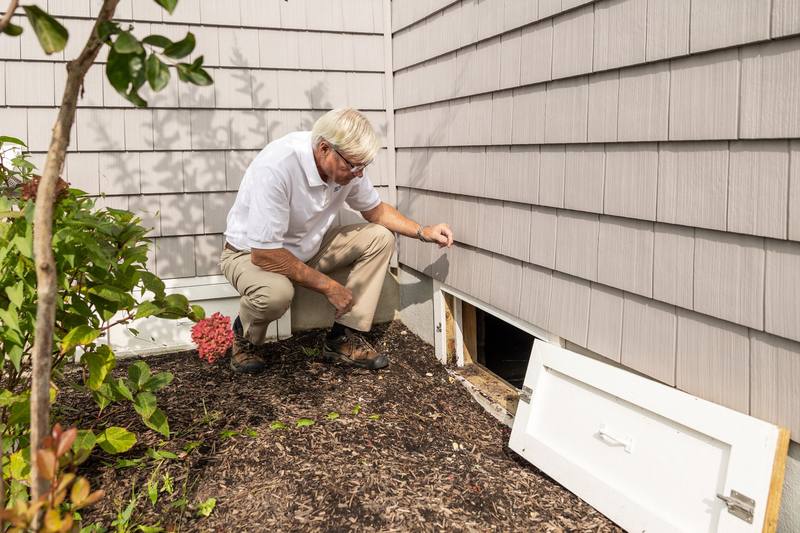
Crawl Space Insulation
Rim joists and crawl space walls sealed and insulated so floors stop feeling cold and damp.
Learn more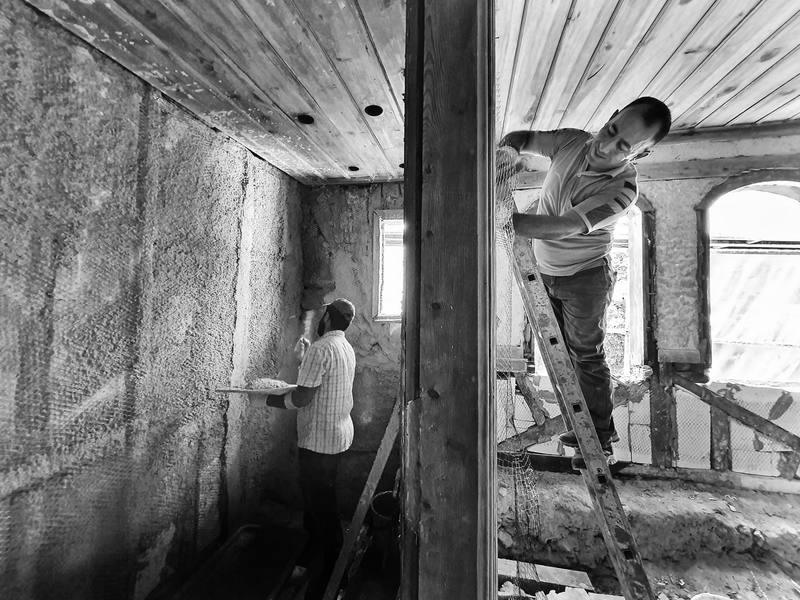
Wall Insulation
Exterior walls insulated through small drilled openings or during a remodel, patched and finished after.
Learn more
Commercial Spray Foam
Metal buildings, warehouses and shops foamed for temperature control and condensation.
Learn more
Radiant Barrier
Reflective barrier on the underside of the roof deck to cut attic heat gain in summer.
Learn more
Emergency Insulation Replacement
We remove and replace insulation that has been soaked, burned, smoke-damaged or fouled by pests, so the damage does not spread into the rest of your home.
Learn more
Get Started
Tell us about your attic or building
Call (281) 010-0001 during business hours or send a note through the form. Tell us what you have noticed, such as hot upstairs rooms, high summer bills or damaged insulation, and we will arrange an inspection and a written estimate.