Why is my upstairs so hot in summer?
Usually it is because a very hot attic sends heat down through the ceiling, and the ducts carrying your cooled air run through that same attic.
If your upstairs bedrooms stay warm while the downstairs feels fine, you are not imagining it. It is a common complaint in two-story homes around Sugar Land. Here is what usually causes it, what you can check yourself, and when to call someone.
The short answer
Most of the time, a hot upstairs comes down to the attic. On a summer afternoon in Sugar Land, the attic above your bedrooms gets much hotter than the air outside. That heat works its way down through the ceiling all day and well into the evening. Warm air rising inside the house plays a part, but most of the heat comes from above.
Two other things usually add to it. First, in most two-story homes around here the air handler and ductwork sit in the attic. The cooled air picks up heat before it ever reaches the upstairs vents. Second, many homes have a single thermostat, and it is usually downstairs. It reaches its set point and shuts the system off while the rooms upstairs are still warm. Upstairs rooms also have more roof and more sun-facing wall around them than the rooms below.
What changes the answer on a real house
Every house has its own mix of causes, and the right fix depends on which ones are doing the most harm.
Insulation is the first thing we look at. Blown-in insulation settles over time. It also gets pushed aside whenever someone runs cable, works on the air handler or stores boxes in the attic. Thin or bare patches let the ceiling drywall heat up and radiate that heat into the room below.
Air leaks matter as much as insulation depth. Gaps around recessed lights, bath fans, plumbing stacks, the attic hatch and the tops of interior walls let hot attic air drift into the house. Insulation slows heat moving through a surface, but it does very little to stop air moving through a hole.
Rooms over a garage, and bonus rooms tucked under the roof with short knee walls, are the usual problem rooms. The batts in those knee walls have often sagged or fallen away, and the floor over the garage may have little insulation at all.
In Sugar Land, many homes in the older neighborhoods were built with whatever insulation was standard at the time, and plenty of those attics have not been touched since. Newer homes start out better, but settling, attic work and storage still wear the insulation down. Our long, humid summers keep the attic hot for months, not weeks, so small gaps have plenty of time to add up. Upstairs windows facing west also take the full afternoon sun.
What you can check yourself
A few checks cost nothing and tell you a lot.
In the late afternoon, put the same thermometer in an upstairs room and then a downstairs room, and note the difference. Then hold your hand at an upstairs supply vent and a downstairs one. If the upstairs air feels weak or noticeably warmer, a duct in the attic may be leaking, crushed or partly disconnected.
Check the air filter. A clogged filter cuts airflow, and the far rooms upstairs feel it first.
If you can reach the attic hatch safely, look in early in the morning while the attic is still cool. Can you see the tops of the ceiling joists? If so, the insulation there is thin. Look for uneven or bare patches, insulation flattened by stored items, and dark, dirty-looking spots. Those dark spots often mean air from the house below has been filtering through the insulation, which points to a leak. Check the hatch itself too. A loose board with nothing on top of it is a common weak spot.
Stay on the joists or a walkway and never step between them. Do not go up on a hot afternoon. Attic heat in a Sugar Land summer is a real safety risk.
When it needs a professional
Call someone in if the insulation is damp, stained from a roof leak, or full of rodent droppings. That material usually needs to come out, not be covered over. The same applies if you find ducts lying disconnected, if knee walls are open to the attic, or if your checks do not point to a clear cause.
If the upstairs vents still blow weakly after a filter change, have an HVAC contractor look at the system and the ductwork. Sometimes the equipment or the duct layout is part of the problem, and more insulation alone will not fix it. If that is what we see, we will say so.
How insulation work fits in
For most hot upstairs rooms, the work starts in the attic. Our Attic Insulation service covers sealing the obvious air gaps, then bringing the insulation up to an even depth across the whole attic floor. If the existing insulation is in decent shape, adding to it is usually enough. If it is wet, dirty or contaminated, removing it first is the better call.
A Radiant Barrier is worth discussing in this climate. It cuts the heat the roof deck sends down into the attic, which helps both the ducts and the insulation below it. It works alongside insulation, not in place of it.
A visit is straightforward. We look at the attic, measure the insulation, check for air leaks and look at the ducts, the knee walls and the hatch. Then we talk you through what we found and what we would do first. You get an estimate before any work starts.
Related questions
Often it helps a lot, but only if the attic is the main cause. If air is leaking in through gaps, those need sealing first. If the upstairs vents blow weakly, the ductwork or HVAC system may need attention too. We check all of that before recommending insulation.
In a hot, sunny climate with ducts in the attic, a radiant barrier can be a useful addition because it cuts the heat coming off the roof deck. It does not replace insulation on the attic floor. We can tell you whether it makes sense for your roof and attic layout.
That room usually takes heat from more sides: the roof, knee walls that open into the attic, and a floor over a garage that is often uninsulated. The insulation in those knee walls and under that floor is often missing or has fallen out of place. Fixing those surfaces is usually the place to start.
Closing vents can push a little more air upstairs, but it can also strain the system, and it does not fix the cause. It is better to find out why the upstairs is gaining so much heat. An HVAC contractor can tell you whether your system can be balanced.
Services
How we can help in Sugar Land
Spray Foam Insulation
Open and closed cell foam applied to attics, walls and rooflines to seal air leaks and insulate in one pass.
Learn more
Attic Insulation
Attic floors and roof decks insulated to the depth the TX climate calls for, with ventilation checked first.
Learn more
Blown-In Insulation
Cellulose or fiberglass blown to an even depth over existing attic floors and into closed wall cavities.
Learn more
Insulation Removal
Old, wet, pest-damaged or compressed insulation vacuumed out before new material goes in.
Learn more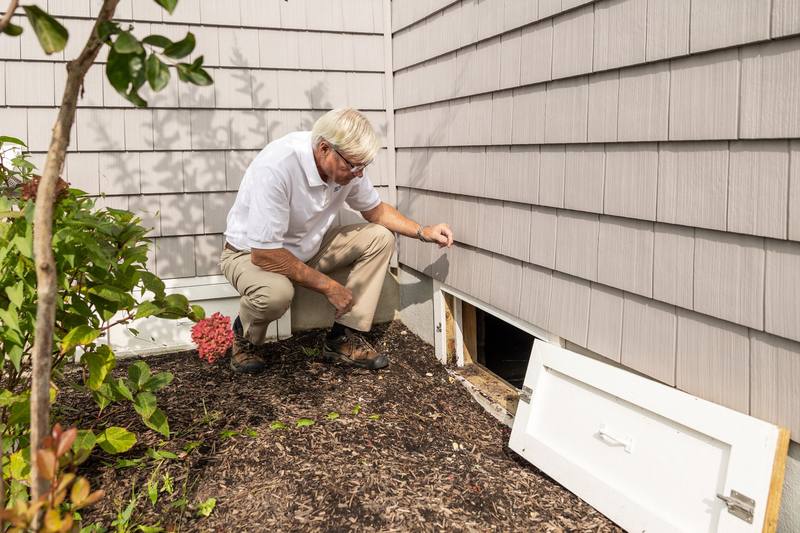
Crawl Space Insulation
Rim joists and crawl space walls sealed and insulated so floors stop feeling cold and damp.
Learn more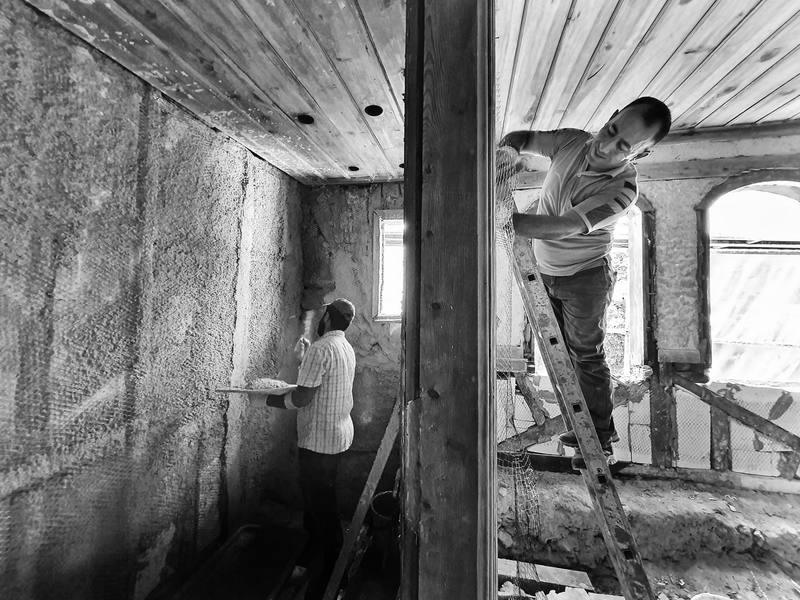
Wall Insulation
Exterior walls insulated through small drilled openings or during a remodel, patched and finished after.
Learn more
Commercial Spray Foam
Metal buildings, warehouses and shops foamed for temperature control and condensation.
Learn more
Radiant Barrier
Reflective barrier on the underside of the roof deck to cut attic heat gain in summer.
Learn more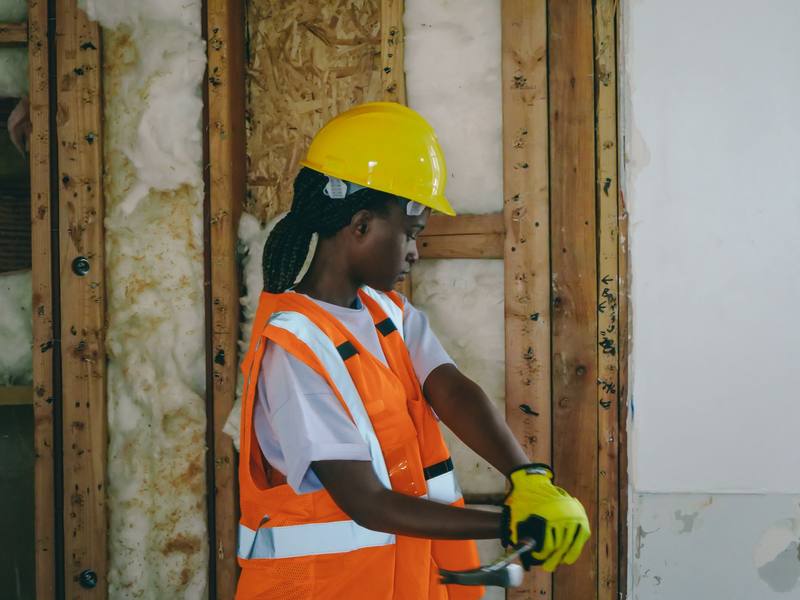
Emergency Insulation Replacement
We remove and replace insulation that has been soaked, burned, smoke-damaged or fouled by pests, so the damage does not spread into the rest of your home.
Learn more
Get Started
Tell us about your attic or building
Call (281) 010-0001 during business hours or send a note through the form. Tell us what you have noticed, such as hot upstairs rooms, high summer bills or damaged insulation, and we will arrange an inspection and a written estimate.